Request for Credit Information Template

Free Word download β€’ Edit online β€’ Save & share with Drive β€’ Export to PDF

1 pageβ€’15–25 min to fillβ€’Difficulty: Standard
Learn more ↓
FreeRequest for Credit Information Template

At a glance

What it is
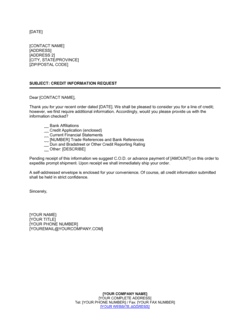
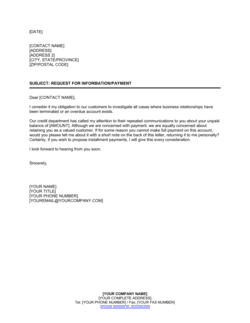
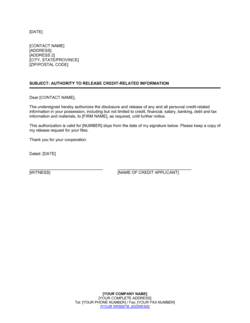
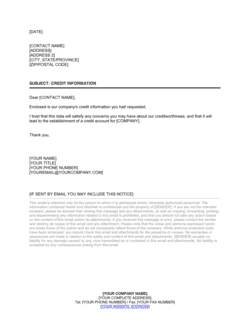
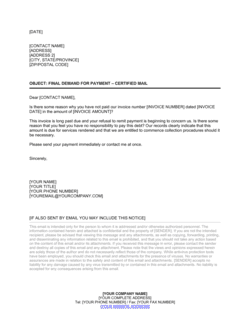
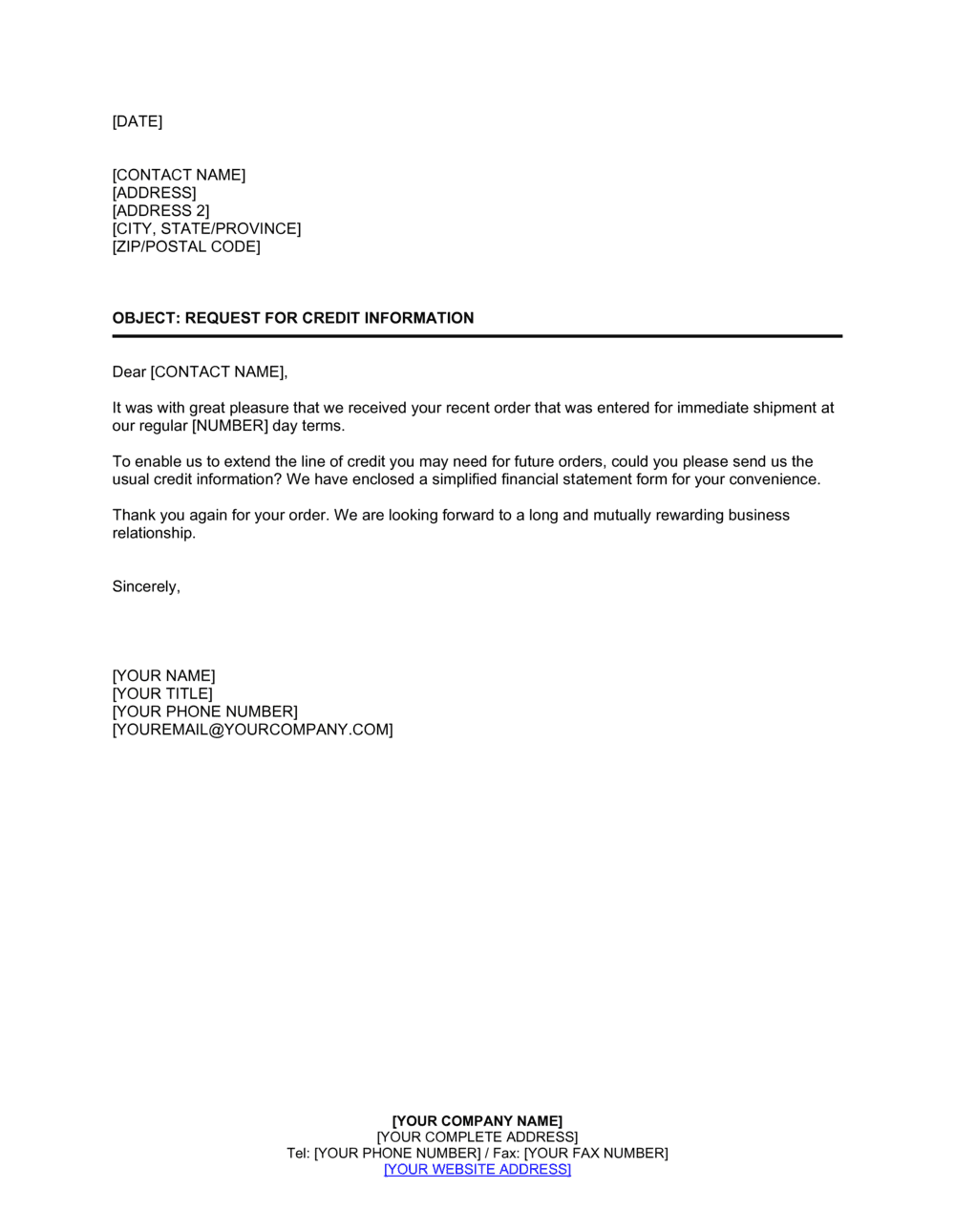
A Request for Credit Information is a formal business letter sent to a trade reference, bank, or prior supplier to ask about a customer's or applicant's payment history, credit terms, and account standing. This free Word download gives you a professional, ready-to-edit letter you can complete in under ten minutes and send by email or post.
When you need it
Use it when a new customer applies for open-account or net-term credit and you need third-party verification of their payment behavior before approving a credit limit. It is also used by lenders and landlords conducting routine due diligence on a business applicant.
What's inside
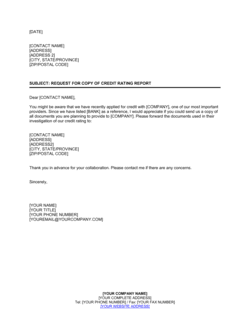
Sender and recipient details, the applicant's identifying information, specific questions about payment history and credit terms, a confidentiality assurance, and a clear deadline and return-address block for the reference's reply.

What is a Request for Credit Information?

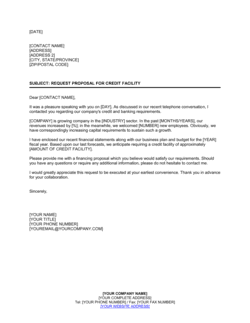
A Request for Credit Information is a formal business letter sent by a creditor to a trade reference, bank, or prior supplier asking for objective details about a credit applicant's payment history, approved credit limit, and current account standing. It is a standard instrument in the B2B credit-approval process, used to independently verify what an applicant reports on their credit application before open-account terms are extended. The letter asks for specific, numeric data β€” days to pay, high credit, current balance β€” rather than a general character assessment, giving the creditor a reliable basis for setting a credit limit and payment terms.

Why You Need This Document

Extending open-account credit without checking trade references is one of the most common causes of bad-debt write-offs for small and mid-sized businesses. A single large account that defaults on net-60 terms can wipe out months of margin. A formal request for credit information creates a documented due-diligence trail showing that you verified the customer's payment behavior before assuming the risk β€” which matters both internally and if a dispute ever escalates. Sending a structured letter rather than a casual phone call also produces written responses you can file, compare across references, and reference when reviewing credit limits in the future. This template gives you a professional, complete letter you can personalize and send in minutes, so the credit-approval process moves quickly without cutting corners.

Which variant fits your situation?

If your situation is…Use this template
Requesting a reference from a prior trade supplierRequest For Credit Information
Asking a bank for a customer's banking referenceBank Reference Request Letter
Formally declining credit after a negative reference checkCredit Application Denial Letter
Notifying a customer their credit account has been approvedCredit Approval Letter
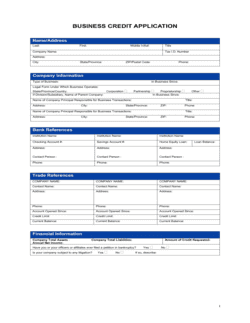
Collecting credit details directly from the applicant businessCredit Application Form
Following up on a reference that did not respondCredit Reference Follow-Up Letter
Requesting updated credit information for an existing account reviewCredit Review Request Letter

Common mistakes to avoid

❌ Sending without the applicant's signed authorization

Why it matters: Many references will refuse to share account details without documented consent, citing confidentiality or data-privacy obligations. The inquiry stalls entirely.

Fix: Collect a signed credit application that includes explicit authorization language before contacting any reference. Attach a copy to every inquiry letter you send.

❌ Asking only vague questions

Why it matters: Questions like 'Is this company a good customer?' produce equally vague answers that cannot support a credit-limit decision or be compared across references.

Fix: Ask for specific, numeric data points: approved credit limit, high credit, average days to pay, and current account standing. These are answerable in under five minutes.

❌ No response deadline in the letter

Why it matters: Without a deadline, the letter sits in an in-tray indefinitely. Credit decisions get delayed by weeks, and customers waiting on account approval become frustrated.

Fix: State a specific due date β€” '5 business days from the date of this letter' β€” and include a clear return-email address or pre-addressed reply form.

❌ Addressing the letter to the wrong contact

Why it matters: A letter sent to a sales rep or general inbox can take days to reach the accounts-receivable team, adding unnecessary lag to the credit approval timeline.

Fix: Call the reference company before sending to confirm the correct department and contact name. Route the letter directly to accounts receivable or the credit manager.

The 9 key clauses, explained

Sender and date block

In plain language: Your company's name, mailing address, phone, email, and the date the letter is sent β€” appearing at the top of the letter.

Sample language
[COMPANY NAME] | [STREET ADDRESS] | [CITY, STATE, ZIP] | [PHONE] | [EMAIL] | Date: [DATE]

Common mistake: Using a department email alias instead of a named contact. References are more likely to respond promptly when they have a specific person to reply to.

Recipient address block

In plain language: The full name and address of the trade reference or financial institution being asked to provide information.

Sample language
Attn: Credit Department | [REFERENCE COMPANY NAME] | [STREET ADDRESS] | [CITY, STATE, ZIP]

Common mistake: Addressing the letter to the company generically without specifying the credit or accounts-receivable department, causing internal routing delays.

Subject line

In plain language: A brief, specific heading that immediately identifies the purpose of the letter and the applicant it concerns.

Sample language
Re: Credit Reference Request for [APPLICANT BUSINESS NAME] β€” Account No. [ACCOUNT NUMBER IF KNOWN]

Common mistake: Omitting the applicant's account number or full legal name, forcing the reference to search their records before they can even begin the response.

Authorization statement

In plain language: Confirms that the credit applicant has consented to the inquiry and authorized the reference to release account information.

Sample language
[APPLICANT BUSINESS NAME] has listed your company as a trade reference and has authorized us to contact you. A copy of their signed authorization is enclosed.

Common mistake: Sending the letter without documenting the applicant's consent. Without it, the reference may refuse to respond due to confidentiality or data-privacy concerns.

Specific information requested

In plain language: A numbered or bulleted list of the exact data points you need β€” credit limit, payment terms, high credit, average days to pay, and current account standing.

Sample language
Please provide the following: (1) Date account opened; (2) Approved credit limit: $[X]; (3) High credit extended: $[X]; (4) Current balance: $[X]; (5) Payment terms offered: Net [X]; (6) Average days to pay: [X]; (7) Account status: Current / Past Due / Closed.

Common mistake: Asking only for a general character reference rather than specific data points. Vague questions produce vague answers that cannot support a credit decision.

Confidentiality assurance

In plain language: A statement guaranteeing that the reference's response will be kept strictly confidential and used only for internal credit-evaluation purposes.

Sample language
All information you provide will be held in strict confidence and used solely for the purpose of evaluating [APPLICANT BUSINESS NAME]'s credit application. It will not be shared with the applicant or any third party.

Common mistake: Omitting the confidentiality assurance entirely. References are significantly less likely to share candid payment details without an explicit confidentiality promise.

Response deadline and instructions

In plain language: A polite but specific request for a response by a defined date, with clear instructions on how to return the information β€” reply email, fax, or enclosed response form.

Sample language
We would appreciate your response by [DATE]. Please return this letter with your comments to [EMAIL ADDRESS] or fax to [FAX NUMBER]. A pre-addressed response form is enclosed for your convenience.

Common mistake: Not setting a deadline. Without one, responses arrive weeks late β€” or not at all β€” stalling the credit approval process.

Offer of reciprocity

In plain language: A brief statement offering to provide the same type of credit reference for the recipient's customers in return, encouraging prompt cooperation.

Sample language
We would be happy to provide similar information for your customers upon request. Please feel free to contact [CONTACT NAME] at [PHONE / EMAIL] with any questions.

Common mistake: Skipping the reciprocity offer. References who see mutual benefit respond at a meaningfully higher rate than those who see only a one-sided request.

Closing and signature block

In plain language: A professional sign-off with the sender's name, title, and contact details, leaving space for a handwritten or electronic signature.

Sample language
Sincerely, [SENDER NAME] | [TITLE] | [COMPANY NAME] | [PHONE] | [EMAIL]

Common mistake: Closing with an informal sign-off like 'Thanks' or omitting the sender's title. The recipient needs to know who is asking and at what level of authority to decide how quickly to respond.

How to fill it out

  1. 1

    Enter your company's contact details

    Add your full business name, mailing address, phone number, and the email address of the specific person handling credit applications. Enter today's date.

    πŸ’‘ Use a named individual's email, not a generic inbox β€” references respond faster when they can address a real person.

  2. 2

    Address the correct recipient department

    Look up the reference company's accounts receivable or credit department contact. Addressing the letter to a specific department β€” or person β€” cuts internal routing time.

    πŸ’‘ A quick call to the reference company's main line to confirm the right contact before sending saves several days in turnaround.

  3. 3

    Identify the applicant precisely

    Enter the credit applicant's full legal business name, their account number with the reference (if provided on the credit application), and their mailing address so the reference can pull the right account without ambiguity.

    πŸ’‘ Attach the applicant's signed authorization form directly to the letter so the reference doesn't need to request it separately.

  4. 4

    List specific data points you need

    Replace the bracketed placeholders in the information-requested section with your actual questions: credit limit, high credit, current balance, payment terms, average days to pay, and account standing.

    πŸ’‘ Limit your list to seven or fewer questions β€” longer questionnaires are more likely to be set aside and forgotten.

  5. 5

    Set a firm response deadline

    Enter a specific calendar date by which you need the information β€” typically 5–10 business days from the letter date. Add your preferred return method: reply email or the enclosed response form.

    πŸ’‘ A 7-business-day deadline hits the right balance: urgent enough to prompt action, but reasonable enough not to generate pushback.

  6. 6

    Review, sign, and send

    Proofread the completed letter for accuracy β€” particularly the applicant's name and account details. Sign the letter, attach the applicant's authorization, and send by email with a read receipt or by certified mail.

    πŸ’‘ Sending by email with a PDF attachment and a brief, direct subject line (e.g., 'Credit reference request β€” [Applicant Name]') gets faster responses than physical mail alone.

Frequently asked questions

What is a request for credit information?

A request for credit information is a formal business letter sent to a trade reference, bank, or prior supplier asking for details about a credit applicant's payment history, credit terms, and account standing. It is a standard step in the B2B credit-approval process, used to verify the information an applicant provides on their credit application before extending open-account terms.

When should I send a request for credit information?

Send it after a new customer submits a credit application and provides trade references, but before you approve a credit limit or ship goods on account. It is also appropriate when reviewing a credit limit increase for an existing customer, or when a previously cash-only customer requests open-account terms for the first time.

Do I need the applicant's permission before contacting their references?

Yes. In most jurisdictions, contacting a third party for financial information about a business requires the applicant's prior consent. A standard credit application should include authorization language permitting you to contact the listed references. Attach a copy of the signed authorization to each inquiry letter you send.

What information should I ask for in a credit reference letter?

At minimum, ask for: the date the account was opened, the approved credit limit, the highest outstanding balance the reference has extended, the current balance, the payment terms offered, the average number of days to pay, and whether the account is currently in good standing. These seven data points give you a reliable picture of the applicant's payment behavior.

How long should I wait for a response?

Request a response within 5–10 business days and state that deadline clearly in the letter. If you have not received a reply by the deadline, a single follow-up email or phone call is appropriate. If the reference still does not respond, document the non-response and weigh that against the other references and information you have collected before making a credit decision.

Is a request for credit information legally binding?

No. The letter is a formal inquiry, not a contract or legal obligation. The reference has no legal duty to respond. However, providing false information in a credit reference can expose the reference to liability for negligent misrepresentation in some jurisdictions, which is why most references reply carefully and stick to objective data.

What is the difference between a credit reference letter and a credit application?

A credit application is completed by the applicant and submitted directly to you β€” it contains the applicant's self-reported financial and trade information. A request for credit information is sent by you to a third party to independently verify what the applicant has reported. The two documents work together: the application collects the data; the inquiry confirms it.

Can I use this letter to request a bank reference?

You can adapt it, but banks typically have their own standardized reference forms and processes. For a bank reference, it is more efficient to ask the applicant to authorize their bank directly using the bank's own form. The trade-reference version of this letter is best suited for suppliers, vendors, and prior creditors who do not have a formal reference process.

How this compares to alternatives

vs Credit Application Form

A credit application is completed by the applicant and contains self-reported financial and reference data. A request for credit information is sent by the creditor to third-party references to verify that data independently. The two documents are used together β€” the application initiates the process; the inquiry confirms it.

vs Credit Approval Letter

A credit approval letter notifies the applicant that their credit account has been opened and states the approved limit and terms. It is issued after the credit-information inquiry is complete and a decision has been made. The request for credit information comes before the approval letter in the workflow.

vs Credit Reference Letter

A credit reference letter is written by a supplier or creditor to vouch for a customer's payment history β€” the response document. A request for credit information is the outbound inquiry that prompts that response. One asks; the other answers.

vs Collection Letter

A collection letter is sent to a customer who has already failed to pay an outstanding invoice. A request for credit information is sent before any credit is extended, to reduce the likelihood of a collection situation arising. One is remedial; the other is preventive.

Industry-specific considerations

Wholesale and Distribution

Distributors routinely extend net-30 or net-60 terms to retail buyers and use trade-reference letters to screen new accounts before committing to high-volume shipments on credit.

Manufacturing

Manufacturers verify buyer creditworthiness before accepting large purchase orders on open account, where a single default can represent significant receivable exposure.

Professional Services

Accounting, staffing, and consulting firms use credit inquiries before agreeing to invoice-on-delivery terms with new corporate clients, particularly for project-based engagements.

Commercial Real Estate

Commercial landlords and property managers request trade references from prospective business tenants to assess financial reliability before signing multi-year lease agreements.

Template vs pro β€” what fits your needs?

PathBest forCostTime
Use the templateAny business extending trade credit to new customers who have provided trade referencesFree5–10 minutes per letter
Template + professional reviewBusinesses building a formal credit policy with multiple form letters and a standardized approval workflow$200–$500 for a credit-policy review by an accountant or credit consultant1–3 days
Custom draftedLarge creditors or financial institutions with regulatory compliance requirements around credit inquiries$500–$2,000 for custom legal and compliance drafting1–2 weeks

Glossary

Trade Reference
A supplier, vendor, or creditor listed by a credit applicant who can confirm their payment history and account standing.
Open Account
A credit arrangement where goods or services are delivered before payment is due, with settlement expected within agreed net terms.
Net Terms
The number of days a buyer has to pay an invoice in full β€” for example, Net 30 means payment is due 30 days from the invoice date.
Credit Limit
The maximum outstanding balance a creditor will allow a customer to carry at any one time under open-account terms.
Payment History
A record of whether a customer paid invoices on time, late, or not at all, typically covering the most recent 12–24 months.
Days Sales Outstanding (DSO)
The average number of days it takes a customer to pay an invoice, used as a proxy for payment reliability.
Credit Inquiry
A formal request by one party to obtain credit-related information about another party from a reference or reporting agency.
Confidentiality Assurance
A statement in the request letter promising that the reference's response will be used solely for credit-evaluation purposes and not shared further.
High Credit
The highest outstanding balance a customer has carried with a supplier at any single point, used to indicate the scale of the relationship.
Account Standing
A summary assessment of whether a customer's account is current, past due, placed for collection, or closed in good standing.

Part of your Business Operating System

This document is one of 3,000+ business & legal templates included in Business in a Box.

  • Fill-in-the-blanks β€” ready in minutes
  • 100% customizable Word document
  • Compatible with all office suites
  • Export to PDF and share electronically

Create your document in 3 simple steps.

From template to signed document β€” all inside one Business Operating System.
1
Download or open template

Access over 3,000+ business and legal templates for any business task, project or initiative.

2
Edit and fill in the blanks with AI

Customize your ready-made business document template and save it in the cloud.

3
Save, Share, Send, Sign

Share your files and folders with your team. Create a space of seamless collaboration.

Save time, save money, and create top-quality documents.

β˜…β˜…β˜…β˜…β˜…

"Fantastic value! I'm not sure how I'd do without it. It's worth its weight in gold and paid back for itself many times."

Managing Director Β· Mall Farm
Robert Whalley
Managing Director, Mall Farm Proprietary Limited
β˜…β˜…β˜…β˜…β˜…

"I have been using Business in a Box for years. It has been the most useful source of templates I have encountered. I recommend it to anyone."

Business Owner Β· 4+ years
Dr Michael John Freestone
Business Owner
β˜…β˜…β˜…β˜…β˜…

"It has been a life saver so many times I have lost count. Business in a Box has saved me so much time and as you know, time is money."

Owner Β· Upstate Web
David G. Moore Jr.
Owner, Upstate Web

Run your business with a system β€” not scattered tools

Stop downloading documents. Start operating with clarity. Business in a Box gives you the Business Operating System used by over 250,000 companies worldwide to structure, run, and grow their business.

Start freeΒ Β·Β No credit card required