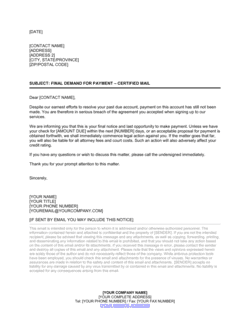
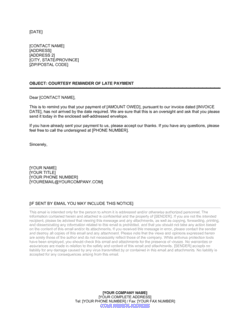
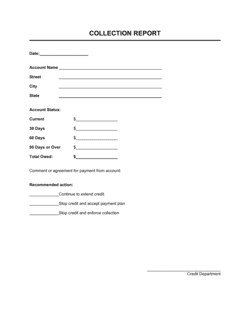
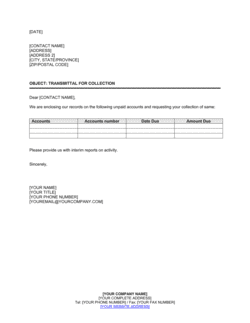
Collection Letter to Eliminate Disputes Template

Free Word download β€’ Edit online β€’ Save & share with Drive β€’ Export to PDF

1 pageβ€’15–25 min to fillβ€’Difficulty: Standard
Learn more ↓
FreeCollection Letter to Eliminate Disputes Template

At a glance

What it is
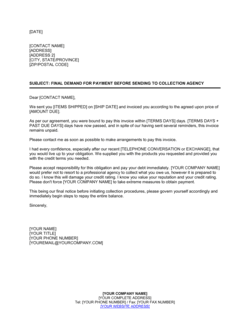
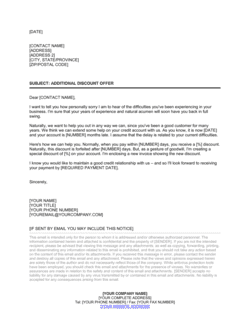
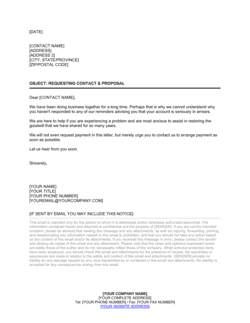
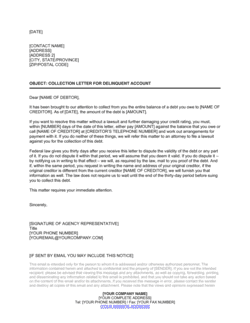
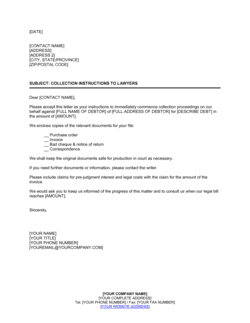
A Collection Letter to Eliminate Disputes is a formal written notice a creditor sends to a debtor to address and resolve any stated objections to an outstanding invoice, then restate the full amount owed and demand payment. This free Word download gives you a professionally structured letter you can edit online and send in minutes β€” without relying on a collections agency or legal counsel for routine billing disputes.
When you need it
Use it when a customer or client has raised a dispute β€” verbal or written β€” about an invoice, and you need to formally respond to that dispute, document your position, and reassert the payment obligation. It is typically sent after one or two standard overdue notices have already gone unanswered or been met with objection.
What's inside
A dated header with sender and recipient details, a clear reference to the disputed invoice, a concise rebuttal or acknowledgment of the dispute, a restated amount due with supporting documentation references, a firm payment deadline, and a professional closing that signals next steps if payment is not received.

What is a Collection Letter to Eliminate Disputes?

A Collection Letter to Eliminate Disputes is a formal written notice a creditor sends to a debtor in response to a specific objection raised about an outstanding invoice. Rather than repeating a generic overdue demand, it acknowledges the debtor's stated reason for non-payment, addresses it directly with supporting documentation, and then firmly restates the full amount owed along with a new payment deadline. The letter creates a written record of the creditor's position, closes off informal dispute claims, and signals that the next step β€” collections agency referral or legal action β€” is both imminent and documented.

Why You Need This Document

When a client or customer disputes an invoice, sending another standard overdue reminder accomplishes nothing β€” it tells the debtor you did not read their objection and gives them an easy reason to keep ignoring you. A dispute-clearing collection letter forces the issue: it puts your evidence on the record, narrows the debtor's room to maneuver, and sets a firm deadline that restarts the escalation clock. Without it, disputed accounts can linger in an informal back-and-forth for months while your cash flow suffers and your legal position weakens. This template gives you a professional, evidence-ready structure you can complete in under 20 minutes β€” protecting your receivables without the cost of involving a collections attorney for every disputed invoice.

Which variant fits your situation?

If your situation is…Use this template
First notice to a customer who has not yet disputed but is overdueFirst Collection Letter
Second notice after the first collection letter was ignoredSecond Collection Letter
Final demand before referring to a collections agency or attorneyFinal Collection Letter
Customer acknowledges the debt but requests a payment schedulePayment Plan Agreement
Debtor is unresponsive and the account must be formally handed offDebt Collection Agency Referral Letter
Dispute involves services and you need to reference the original contractService Agreement
Dispute is resolved and you need to confirm the agreed settlementDebt Settlement Agreement

Common mistakes to avoid

❌ No specific invoice reference

Why it matters: A letter that does not cite the invoice number and date gives the debtor an easy out β€” they can claim they do not know which charge is being disputed, stalling resolution.

Fix: Always include the invoice number, invoice date, and exact dollar amount in both the subject line and the body of the letter.

❌ Vague rebuttal with no supporting documentation

Why it matters: Asserting 'the invoice is correct' without evidence hands the debtor the stronger position and makes escalation harder to justify to a collections agency or judge.

Fix: Attach proof of delivery, a signed work order, or the relevant contract clause, and reference each attachment by name in the letter body.

❌ Threatening legal action you will not take

Why it matters: Debtors who receive repeated idle threats learn to ignore them, and making false representations about legal action may violate consumer or commercial debt-collection rules.

Fix: Only state escalation steps you intend to follow. If you plan to refer to a collections agency in 14 days, say that β€” and do it.

❌ Omitting a direct contact for dispute resolution

Why it matters: A debtor who is ready to negotiate or resolve the dispute but cannot reach a specific person defaults to inaction, extending the collection cycle unnecessarily.

Fix: Include a named contact with a direct phone number and email address in every collection letter β€” not a general mailbox.

The 9 key clauses, explained

Sender and recipient header

In plain language: Identifies the creditor and debtor by full legal name and address, and includes the date the letter is sent.

Sample language
[COMPANY NAME] | [ADDRESS] | [CITY, STATE ZIP] | [DATE] To: [DEBTOR FULL NAME OR COMPANY] | [DEBTOR ADDRESS]

Common mistake: Using a trade name instead of the registered legal entity name β€” this can create ambiguity about which party holds the claim if the matter escalates to court.

Subject line and invoice reference

In plain language: States the letter's purpose immediately, including the original invoice number, invoice date, and disputed amount.

Sample language
RE: Response to Dispute β€” Invoice #[INVOICE NUMBER] dated [DATE] β€” Amount Due: $[AMOUNT]

Common mistake: Omitting the invoice number and date. Without a specific reference, the debtor can claim the letter does not apply to a particular transaction.

Acknowledgment of the dispute

In plain language: Confirms that the creditor has received and reviewed the debtor's objection, without admitting fault or conceding the claim.

Sample language
We have received your [letter / email / communication] dated [DATE] in which you dispute the above-referenced invoice on the grounds that [BRIEF DESCRIPTION OF DISPUTE].

Common mistake: Skipping acknowledgment entirely and jumping straight to demand. This reads as combative and reduces the chance of voluntary payment before escalation.

Rebuttal or clarification of the dispute

In plain language: Addresses the debtor's specific objection with facts, documentation references, or a brief explanation of why the charge stands.

Sample language
Our records confirm that [GOODS / SERVICES] were delivered on [DATE] in accordance with [CONTRACT / PURCHASE ORDER #]. Attached are [DELIVERY CONFIRMATION / COMPLETION REPORT / SIGNED WORK ORDER] supporting the full amount billed.

Common mistake: Providing a vague rebuttal such as 'we believe the invoice is correct' without citing specific supporting documentation β€” this weakens your position if the matter proceeds to dispute resolution.

Restated amount due

In plain language: Clearly states the full outstanding balance, including any accrued late fees, after addressing the dispute.

Sample language
Accordingly, the full balance of $[AMOUNT], including a late fee of $[AMOUNT] accrued at [RATE]% per month since [DATE], remains due and payable.

Common mistake: Restating a different amount than the original invoice without explanation β€” inconsistent figures give the debtor grounds to prolong the dispute.

Payment deadline

In plain language: Specifies the exact date by which payment must be received, typically 7 to 14 days from the letter date.

Sample language
Payment in full must be received by [SPECIFIC DATE β€” e.g., no later than [DATE], which is [X] days from the date of this letter].

Common mistake: Writing 'immediately' or 'as soon as possible' instead of a specific calendar date β€” vague deadlines are unenforceable and easy for debtors to ignore.

Payment instructions

In plain language: Provides the accepted payment methods and the details needed to remit β€” bank transfer, check payable to, or online portal link.

Sample language
Payment may be remitted by [bank transfer to Account #[ACCOUNT], Routing #[ROUTING] / check payable to [COMPANY NAME] / online at [PAYMENT PORTAL URL]], referencing Invoice #[INVOICE NUMBER].

Common mistake: Omitting payment instructions in the dispute-resolution letter. The debtor may be ready to pay but have no clear path to do so after reviewing your rebuttal.

Escalation notice

In plain language: States the consequence of non-payment β€” referral to a collections agency, attorney, or legal proceedings β€” without making idle threats.

Sample language
If payment is not received by [DATE], we will have no alternative but to refer this account to [our collections agency / legal counsel] for further action, which may affect your credit standing and result in additional costs to you.

Common mistake: Threatening specific legal action β€” such as 'we will sue you on [DATE]' β€” without intent or authority to follow through. Empty threats undermine credibility and may violate debt-collection regulations in some jurisdictions.

Professional closing

In plain language: Ends the letter cordially, expressing a preference to resolve the matter without escalation and providing a direct contact for questions.

Sample language
We value our business relationship and prefer to resolve this matter amicably. Please contact [NAME] at [PHONE / EMAIL] if you have questions or wish to discuss a resolution before [DEADLINE DATE]. Sincerely, [AUTHORIZED SIGNATORY NAME] [TITLE]

Common mistake: Closing the letter without a direct contact name or number. A debtor who wants to resolve the dispute but cannot reach anyone will default to inaction.

How to fill it out

  1. 1

    Enter full sender and recipient details

    Add your company's registered legal name, address, and date at the top, followed by the debtor's full legal name or company name and billing address.

    πŸ’‘ Use the same entity name that appears on the original invoice β€” consistency is critical if the letter enters a legal file.

  2. 2

    Reference the specific invoice in the subject line

    Insert the invoice number, issue date, and disputed dollar amount in the RE: line so the debtor can match the letter to their records immediately.

    πŸ’‘ If multiple invoices are in dispute, list each one separately rather than combining them into a single vague reference.

  3. 3

    Acknowledge the dispute professionally

    Summarize the debtor's objection in one sentence β€” what they claimed, and when they raised it β€” without conceding the point.

    πŸ’‘ Quote the debtor's own language from their dispute communication. This shows you read it carefully and prevents them from later claiming their objection was mischaracterized.

  4. 4

    Write a specific, evidence-based rebuttal

    Identify the exact documentation β€” proof of delivery, signed work order, completion report, or contract clause β€” that supports your charge, and state that copies are attached.

    πŸ’‘ If the dispute has partial merit, acknowledge it and deduct the credited amount from the restated balance. Partial concessions resolve more disputes than blanket denials.

  5. 5

    Restate the full amount due

    Enter the outstanding balance, and separately identify any late fees, their rate, and the date they started accruing.

    πŸ’‘ Only include late fees if your original contract, invoice, or terms of sale explicitly authorized them β€” otherwise the debtor has grounds to dispute the fee itself.

  6. 6

    Set a specific payment deadline and provide instructions

    Choose a date 7–14 days out and state it explicitly. Include all accepted payment methods with complete details so the debtor can act immediately upon deciding to pay.

    πŸ’‘ Shorter deadlines (7 days) create urgency; longer ones (14 days) reduce friction for debtors who need internal approval to cut a check. Match the window to the debtor's likely payment process.

  7. 7

    Add the escalation notice and close professionally

    State the next step you will take if payment is not received β€” collections referral, attorney demand, or small claims β€” and close with a direct contact for resolution.

    πŸ’‘ Only name an escalation path you are actually prepared to follow. Creditors who consistently follow through on stated next steps collect significantly faster than those who don't.

Frequently asked questions

What is a collection letter to eliminate disputes?

A collection letter to eliminate disputes is a formal written notice a creditor sends to address a debtor's specific objection to an invoice, rebut that objection with supporting evidence, and restate the full amount owed with a new payment deadline. It differs from a standard overdue notice because it directly engages the debtor's stated reasons for non-payment rather than simply restating that an invoice is past due.

When should I send a dispute-clearing collection letter?

Send it after a debtor has raised a verbal or written objection to an invoice β€” typically following one or two standard overdue reminders that were met with a dispute rather than payment. The letter is most effective when sent promptly after the dispute is received, while the transaction details are fresh and documentation is easy to pull together.

How is this letter different from a standard collection letter?

A standard collection letter simply demands payment on a past-due invoice. A dispute-elimination collection letter acknowledges the debtor's specific objection, addresses it with facts and documentation, and then reasserts the payment obligation. The dispute-addressing step is what distinguishes it β€” skipping it and sending another generic demand typically prolongs the standoff rather than resolving it.

Does this letter need to be signed to be effective?

No signature is required for the letter to be legally effective as a demand notice in most business contexts. However, it should be sent on company letterhead and include the name and title of an authorized representative in the closing. Signing or printing a name adds professional weight and makes the letter easier to authenticate if the matter escalates to legal proceedings.

Can I charge late fees in this letter?

You can include late fees only if they were authorized in the original contract, invoice terms, or terms of sale that the debtor agreed to. Adding fees that were not contractually established gives the debtor grounds to dispute the new amount, extending the collection process. If you are uncertain whether your late-fee terms are enforceable, send the letter for the original invoice amount only and seek accounting advice.

How long should I give the debtor to respond?

A payment deadline of 7 to 14 days from the letter date is standard for most commercial debt situations. Seven days creates urgency and works well for smaller, straightforward balances. Fourteen days is more appropriate when the debtor is a larger organization with internal approval requirements for payments. Always state a specific calendar date rather than a relative term like "within two weeks."

What should I do if the debtor ignores this letter?

If the deadline passes with no payment or response, follow through on the escalation step you stated in the letter β€” typically referring the account to a collections agency or sending a final attorney demand. Acting on your stated next step is important: creditors who consistently follow through collect more debts than those who send repeated letters with no follow-up action.

Should I send this letter by email or physical mail?

Sending both maximizes deliverability and creates a stronger paper trail. Email provides a timestamp and digital read-receipt; certified mail or courier creates a physical delivery record that is harder to dispute. For high-value balances or accounts you expect to escalate, always send a physical copy by certified mail so you have proof of delivery independent of the debtor's email system.

Can this letter be used for consumer debts as well as business debts?

This template is designed for business-to-business (B2B) collections. Consumer debt collection in the United States is regulated by the Fair Debt Collection Practices Act (FDCPA), which imposes specific disclosure requirements, timing rules, and prohibited practices. If you are collecting from individual consumers, consult a collections attorney before adapting this template to ensure compliance.

How this compares to alternatives

vs First Collection Letter

A first collection letter is a polite overdue reminder sent when no dispute has been raised β€” it assumes the debtor simply overlooked the invoice. A dispute-elimination letter is used specifically when the debtor has objected to the charge. Sending a generic first notice after a dispute has been raised signals you did not read the debtor's communication, which typically hardens their position.

vs Final Collection Letter

A final collection letter is the last notice before escalation to a collections agency or legal action, sent when all prior outreach has been ignored. A dispute-elimination letter is sent earlier in the cycle to address and resolve an objection β€” if it succeeds, no final letter is needed. If it fails, the final letter follows and can reference the unanswered dispute response as part of the escalation record.

vs Demand Letter

A demand letter is a broad legal notice asserting any financial or contractual claim and demanding a specific remedy. A collection letter to eliminate disputes is narrower β€” it is purpose-built for invoice disputes, uses accounts-receivable language, and focuses on resolving a billing objection rather than establishing a broader legal claim. For complex multi-issue disputes, a formal demand letter drafted by counsel may be more appropriate.

vs Debt Settlement Agreement

A debt settlement agreement documents a negotiated resolution β€” typically a reduced lump-sum payment accepted in full satisfaction of the debt. A dispute-elimination collection letter precedes any settlement discussion; it reasserts the full amount owed. If the debtor responds with a counter-offer, a settlement agreement captures the agreed terms and closes the matter.

Industry-specific considerations

Professional services

Disputes typically involve scope creep or deliverable interpretation β€” the rebuttal clause should reference the signed statement of work or project brief.

Construction and trades

Disputes often center on completion status or materials quality β€” attach inspection reports, completion certificates, or signed lien waivers to support the restated balance.

Wholesale and distribution

Short-shipment or damaged-goods disputes require proof-of-delivery and carrier documentation; partial credits for confirmed shortfalls resolve more accounts than blanket denials.

Creative and marketing agencies

Disputes over approval milestones or usage rights require referencing revision-round limits and sign-off records documented in the original service agreement.

Template vs pro β€” what fits your needs?

PathBest forCostTime
Use the templateSmall businesses and freelancers handling routine B2B invoice disputes internallyFree15–20 minutes per letter
Template + professional reviewBalances above $10,000 or disputes involving a signed contract with complex terms$100–$300 for an attorney or collections consultant review1–2 business days
Custom draftedHigh-value commercial disputes, repeat-offender debtors, or accounts likely to proceed to litigation$300–$800+ for attorney-drafted demand2–5 business days

Glossary

Disputed Invoice
An invoice that a debtor has formally or informally challenged, claiming the amount, service, or delivery is incorrect or incomplete.
Accounts Receivable
Money owed to a business by customers for goods or services already delivered but not yet paid for.
Aging Report
An accounts-receivable report grouping outstanding invoices by how long they have been unpaid β€” typically 0–30, 31–60, 61–90, and 90+ days.
Cure Period
A defined window of time given to the debtor to pay or resolve the dispute before the creditor escalates to further action.
Proof of Delivery
Documentation β€” a signed receipt, tracking confirmation, or completion certificate β€” confirming that goods or services were received by the buyer.
Demand Letter
A formal written notice asserting a legal or financial claim and requiring the recipient to act β€” pay, respond, or face further consequences β€” by a stated deadline.
Debt Validation
A debtor's right under applicable consumer protection laws to request written confirmation that a debt is accurate and that the creditor has authority to collect it.
Net Terms
Payment terms stating the full invoice amount is due within a set number of days after the invoice date β€” e.g., Net 30 means due in 30 days.
Escalation
The formal step of moving an unresolved debt to a higher-stakes collection method β€” a collections agency, attorney demand, or legal proceedings.
Without Prejudice
A designation on communications indicating that statements made in a settlement discussion cannot be used as admissions in later legal proceedings.

Part of your Business Operating System

This document is one of 3,000+ business & legal templates included in Business in a Box.

  • Fill-in-the-blanks β€” ready in minutes
  • 100% customizable Word document
  • Compatible with all office suites
  • Export to PDF and share electronically

Create your document in 3 simple steps.

From template to signed document β€” all inside one Business Operating System.
1
Download or open template

Access over 3,000+ business and legal templates for any business task, project or initiative.

2
Edit and fill in the blanks with AI

Customize your ready-made business document template and save it in the cloud.

3
Save, Share, Send, Sign

Share your files and folders with your team. Create a space of seamless collaboration.

Save time, save money, and create top-quality documents.

β˜…β˜…β˜…β˜…β˜…

"Fantastic value! I'm not sure how I'd do without it. It's worth its weight in gold and paid back for itself many times."

Managing Director Β· Mall Farm
Robert Whalley
Managing Director, Mall Farm Proprietary Limited
β˜…β˜…β˜…β˜…β˜…

"I have been using Business in a Box for years. It has been the most useful source of templates I have encountered. I recommend it to anyone."

Business Owner Β· 4+ years
Dr Michael John Freestone
Business Owner
β˜…β˜…β˜…β˜…β˜…

"It has been a life saver so many times I have lost count. Business in a Box has saved me so much time and as you know, time is money."

Owner Β· Upstate Web
David G. Moore Jr.
Owner, Upstate Web

Run your business with a system β€” not scattered tools

Stop downloading documents. Start operating with clarity. Business in a Box gives you the Business Operating System used by over 250,000 companies worldwide to structure, run, and grow their business.

Free Forever PlanΒ Β·Β No credit card required