- Rent Default
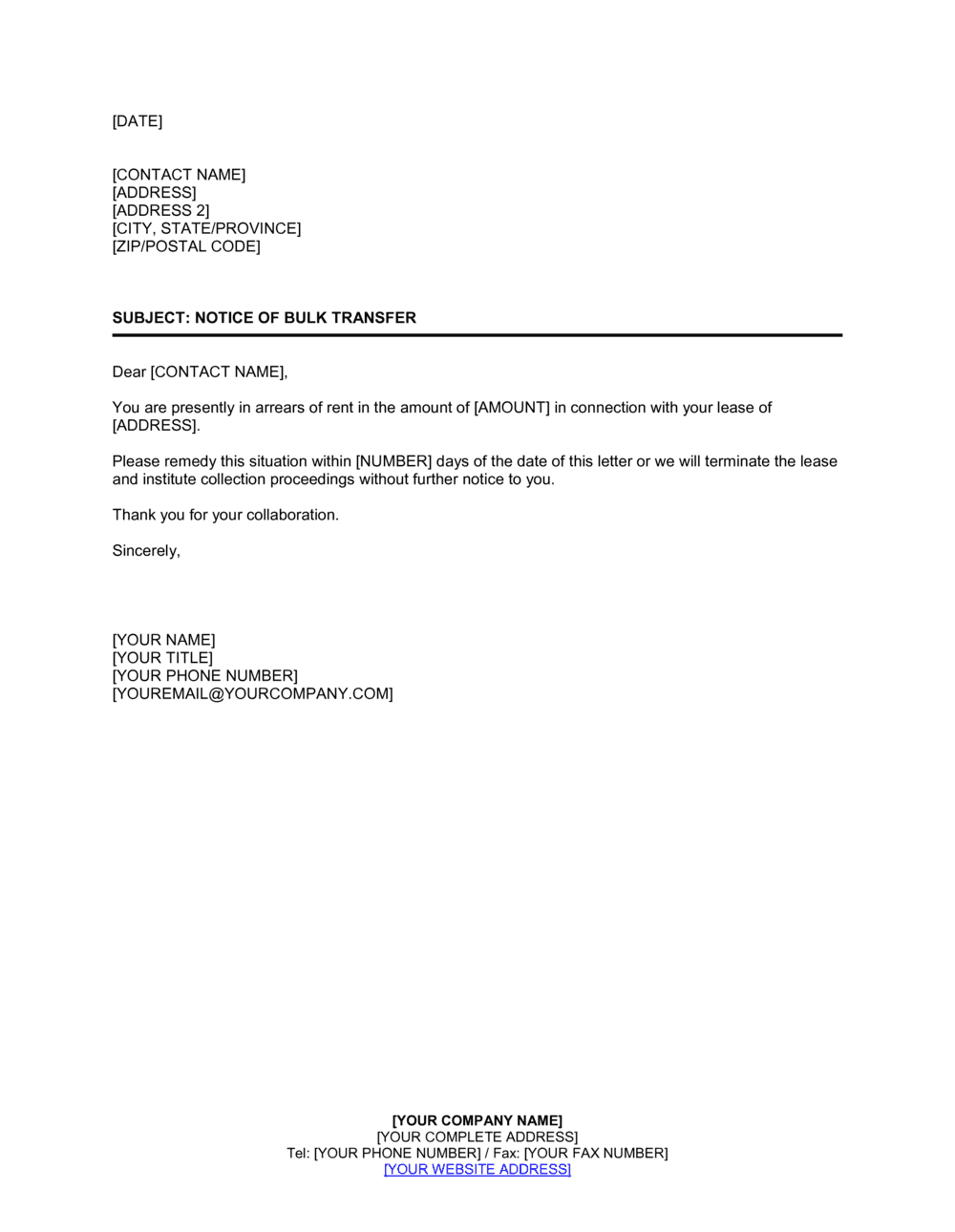
- A tenant's failure to pay rent by the contractually agreed due date, triggering the landlord's right to demand payment or pursue lease remedies.
- Cure Period
- The defined number of days — typically 3 to 14 — within which a tenant must pay overdue rent after receiving a default notice to avoid further action.
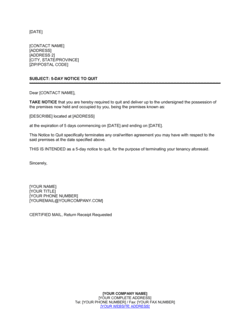
- Pay or Quit Notice
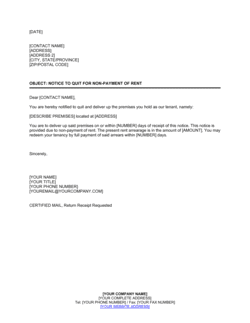
- A notice requiring the tenant to either pay the full amount owed or vacate the premises within a specified period — the formal precursor to eviction in most jurisdictions.
- Late Fee
- A contractually agreed penalty charge added to the rent balance when payment is received after the grace period, as specified in the lease.
- Grace Period
- A short window — commonly 3 to 5 days after the due date — during which the landlord accepts payment without penalty before a default is triggered.
- Eviction (Unlawful Detainer)
- The legal process a landlord initiates to remove a tenant from a property after a failure to cure a default or comply with lease terms.
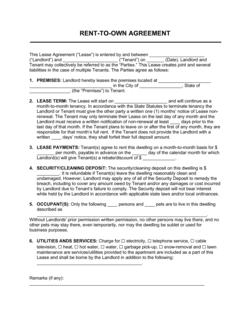
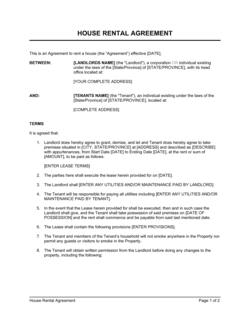
- Lease Agreement
- The binding contract between landlord and tenant establishing rent amount, due date, grace period, late fees, and remedies for non-payment.
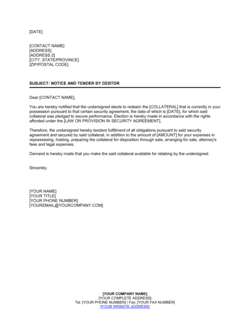
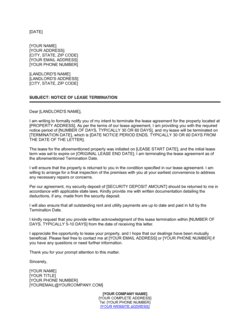
- Notice of Default
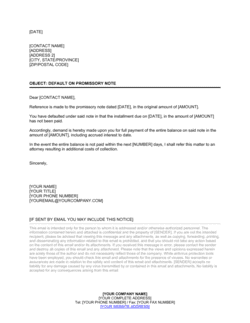
- A formal written communication informing a party that they have failed to meet a contractual obligation, triggering a right to cure or face consequences.
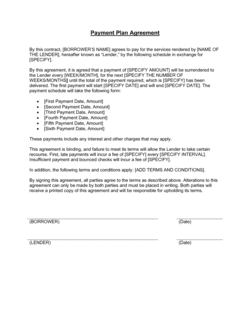
- Paper Trail
- A documented record of written communications — notices, letters, and responses — that supports a landlord's legal position in eviction or collection proceedings.
- Unlawful Detainer
- The legal action a landlord files in court to formally evict a tenant who remains on the property after a valid notice to quit has expired uncured.