1
Confirm the legally required notice period for your jurisdiction
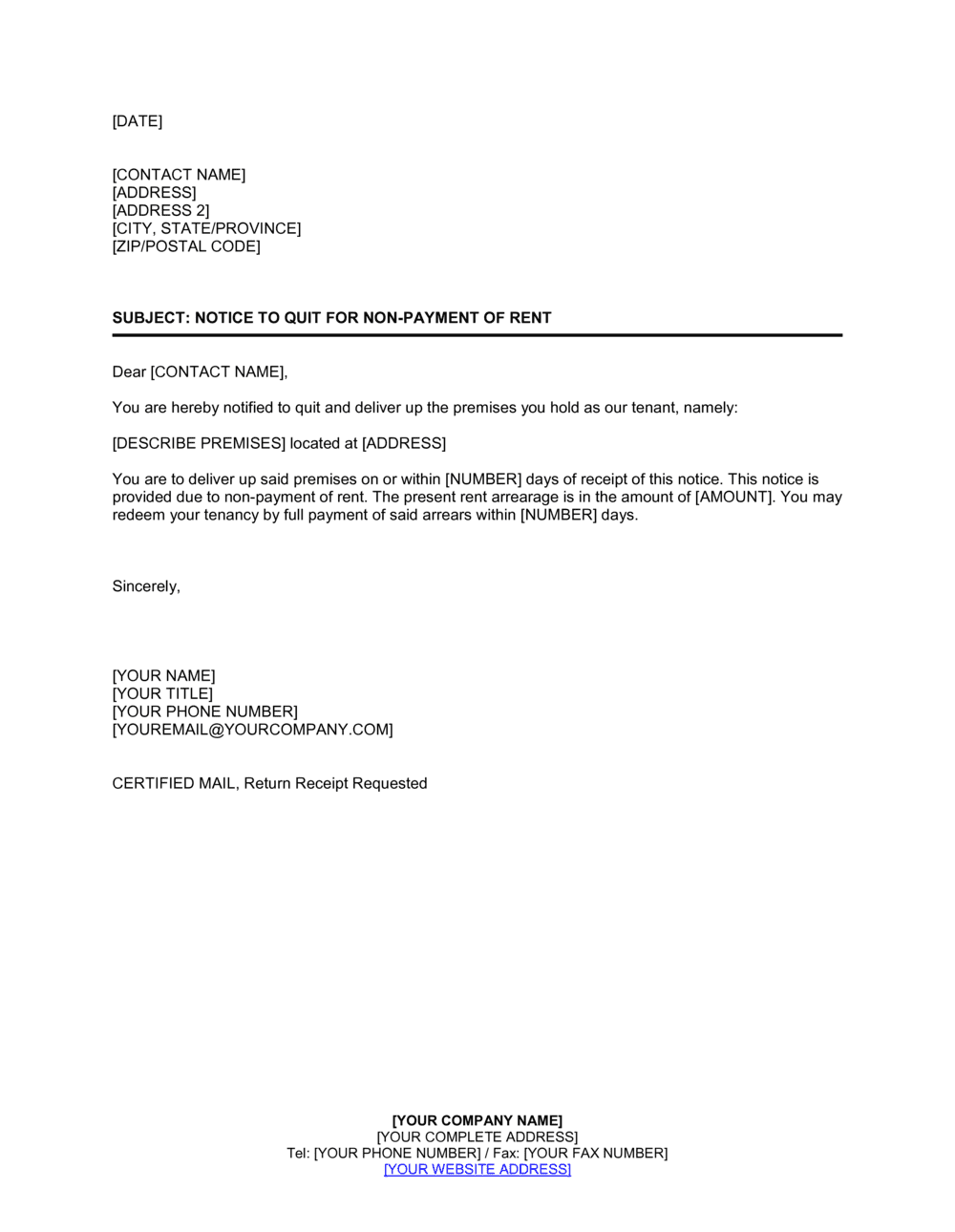
Before filling in any other field, look up the mandatory notice period in your state, province, or municipality — it may be 3, 5, 10, or 14 days. Some jurisdictions also specify additional waiting days after mailing. The wrong period renders the notice invalid.
💡 Many local court websites publish a landlord-tenant notice requirement summary. Check this before you draft, not after.
2
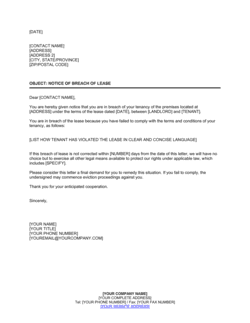
Enter all landlord and tenant legal names exactly as they appear on the lease
Use the full legal name of every adult tenant listed on the rental agreement and the landlord's full legal name or registered entity name. Names that don't match the lease create grounds to challenge the notice.
💡 If the property is owned by an LLC, use the LLC's registered name — not the owner's personal name — as the landlord.
3
Specify the property address and lease details
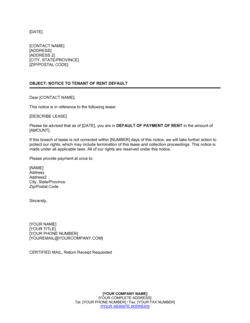
Enter the complete rental address including unit number, and reference the lease by its execution date. This ties the notice unambiguously to the specific tenancy and premises.
💡 If the tenant occupies multiple units or a room within a larger property, describe the specific space in detail to avoid ambiguity.
4
Calculate and itemize the exact amount owed
List each unpaid rental period with the dollar amount due for that period and total them. Include only charges the jurisdiction permits in a notice to quit — typically base rent only, not utilities, late fees, or repair costs unless local law explicitly allows them.
💡 Pull the figures directly from your rent ledger and keep a copy on file. You will need the same numbers if the matter proceeds to court.
5
Set the compliance deadline based on the service date
Enter the specific calendar date by which the tenant must pay or vacate, counting forward from the intended service date by the required number of days. Do not count the service date itself in most jurisdictions.
💡 If you are mailing the notice, many jurisdictions add 3–5 calendar days to the notice period — confirm this before setting the deadline.
6
Include clear payment instructions
State exactly how the tenant can pay — certified check, money order, or online portal — and where to submit it, including the address and office hours. A tenant who cannot determine how to pay has grounds to delay compliance.
💡 Accept only verifiable payment methods for arrears in default situations; personal checks can be stopped after delivery.
7
Serve the notice using the prescribed method and document service
Deliver the notice by the method your jurisdiction requires — commonly personal delivery, posting and mailing, or certified mail. Complete the service block on the notice immediately after serving, recording the date, method, and your name.
💡 Take a dated photograph of a posted notice before you leave the property. Digital timestamps are accepted as corroborating evidence in most eviction courts.
8
Retain a copy and set a calendar reminder for the deadline
File the served copy along with any proof of service (certified mail receipt, delivery confirmation, or photograph). Set a reminder for the day after the compliance deadline so you can take the next step — filing for eviction — without delay.
💡 Do not accept a partial payment without a written agreement stating it does not waive the notice. Accepting partial rent can restart the notice period in some jurisdictions.