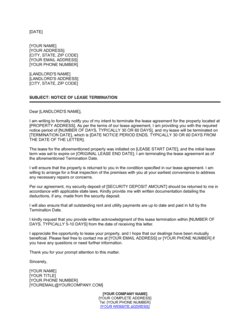
Notice To Tenant of Rent Default Template

Free Word download β€’ Edit online β€’ Save & share with Drive β€’ Export to PDF

1 pageβ€’15–25 min to fillβ€’Difficulty: Standard
Learn more ↓
FreeNotice To Tenant of Rent Default Template

At a glance

What it is
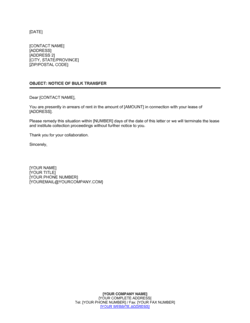
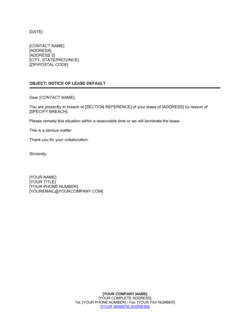
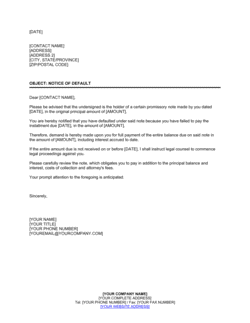
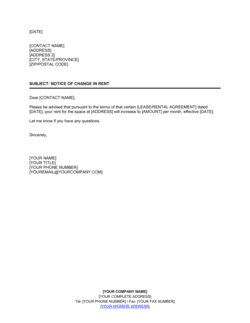
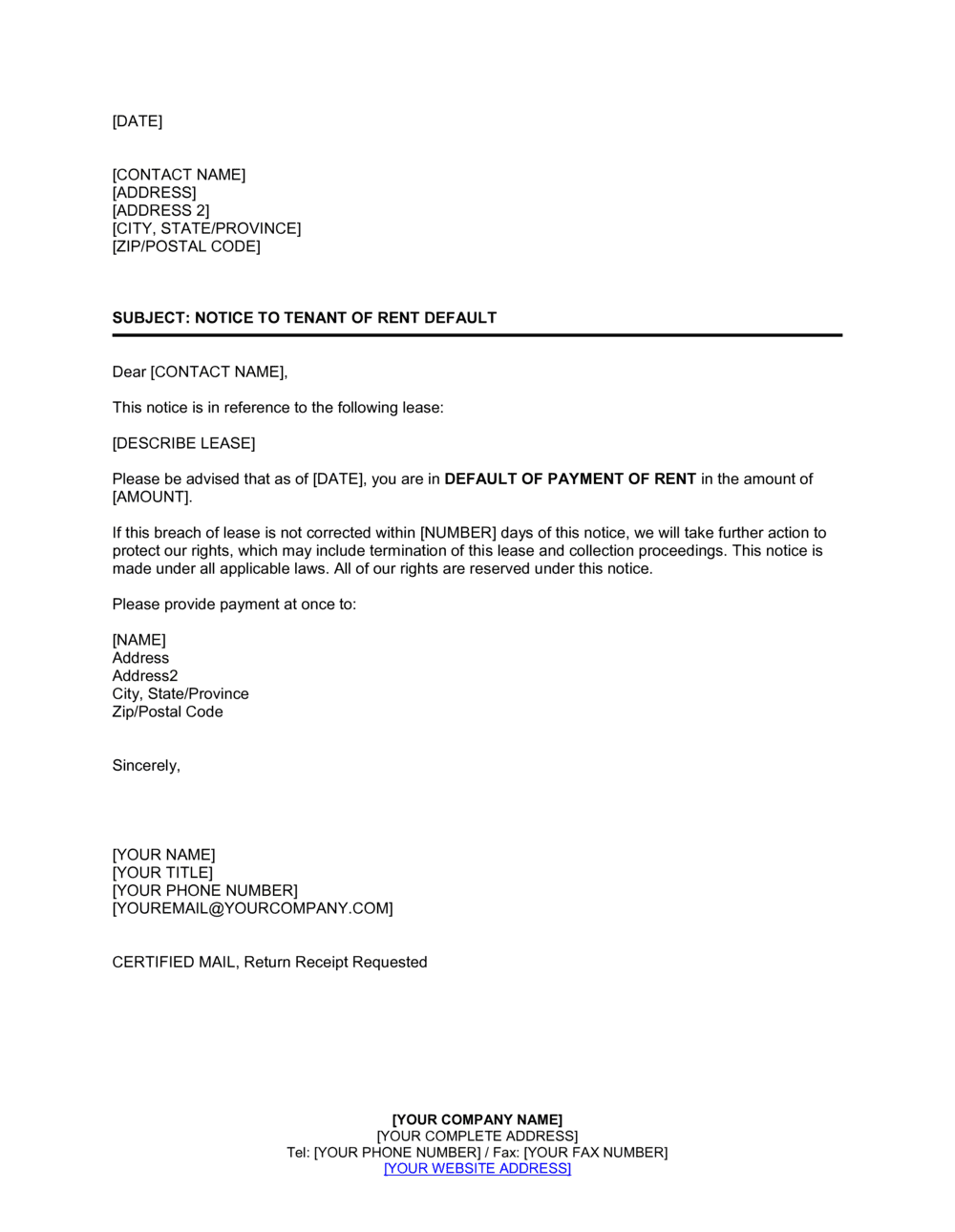
A Notice to Tenant of Rent Default is a formal written letter a landlord or property manager sends to a tenant who has failed to pay rent by the contractually agreed due date. This free Word download lets you fill in the tenant's details, the overdue amount, and a cure deadline, then send a professional, documented notice in under ten minutes.
When you need it
Use it as soon as rent goes unpaid beyond the grace period stated in the lease. Sending a written notice creates a dated paper trail that is typically required before escalating to eviction proceedings.
What's inside
Landlord and tenant identification, the rental property address, the specific amount overdue and the period it covers, a firm deadline to cure the default, and a statement of the consequences if the tenant fails to pay β€” all in a single, professionally formatted letter.

What is a Notice to Tenant of Rent Default?

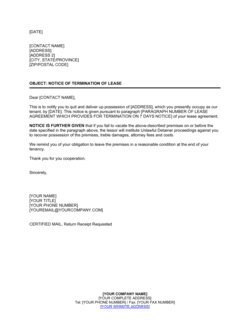
A Notice to Tenant of Rent Default is a formal written letter a landlord or property manager sends to a tenant who has failed to pay rent by the date specified in the lease agreement. It states the exact amount overdue, the period it covers, and a firm deadline β€” the cure period β€” by which the tenant must pay in full to avoid eviction proceedings. Beyond prompting payment, the notice creates a dated, documented record that is a required procedural step before a landlord can file for eviction in most jurisdictions. Without it, court filings are routinely dismissed on procedural grounds.

Why You Need This Document

Failing to issue a formal written notice is the single most common reason landlords lose eviction cases on procedural grounds β€” courts require proof that the tenant was given a proper opportunity to cure before the landlord sought possession. A verbal request or informal text message does not start the statutory clock and does not satisfy the eviction filing requirement. Beyond the legal necessity, a well-drafted notice signals to the tenant that the matter is serious, which significantly increases the rate of voluntary payment. This template gives you a professionally structured letter you can complete in under ten minutes, with every clause needed to protect your rights and create a defensible paper trail from day one of the default.

Which variant fits your situation?

If your situation is…Use this template
First missed payment β€” polite reminder before formal actionRent Reminder Letter
Tenant has missed multiple payments and cure period has passedEviction Notice (Notice to Quit)
Commercial tenant in default on a lease agreementNotice of Default on Commercial Lease
Tenant has partially paid and a balance remains outstandingNotice To Tenant Of Rent Default
Landlord needs to document all missed payments for court filingRent Ledger / Payment History Report
Lease has ended and unpaid rent must be recoveredDemand for Payment Letter
Tenant disputes the amount owed and mediation is appropriateTenant Dispute Resolution Letter

Common mistakes to avoid

❌ Using an approximate or rounded rent figure

Why it matters: If the notice states $1,500 but the lease says $1,525, the tenant can argue the notice is inaccurate and delay proceedings while the error is corrected.

Fix: Copy the exact monthly rent figure from the signed lease agreement and confirm it against the most recent payment record before drafting the notice.

❌ Setting a cure deadline shorter than the statutory minimum

Why it matters: A notice with an illegal cure period is void in most jurisdictions, requiring the landlord to start the process over β€” adding weeks to an already slow timeline.

Fix: Research the minimum cure period required by your state, province, or municipality before you set the deadline. When in doubt, use 14 days rather than 3.

❌ Sending the notice without a delivery record

Why it matters: A tenant who claims never to have received the notice can halt eviction proceedings. Without proof of delivery, the landlord cannot establish when the cure period began.

Fix: Send by certified mail with return receipt requested, or use a process server. Document the delivery method and date in your property management records.

❌ Accepting partial payment without documenting the reservation of rights

Why it matters: Accepting even a partial payment after sending a default notice can be interpreted as a waiver of the right to evict, forcing the landlord to issue a new notice.

Fix: If you accept partial payment, issue a written acknowledgment stating explicitly that the partial payment does not cure the default and that you reserve all legal rights under the lease.

The 9 key clauses, explained

Date and parties identification

In plain language: States the date the notice is issued, the landlord's or property manager's full name and address, and the tenant's full legal name and rental address.

Sample language
[DATE] | From: [LANDLORD/PROPERTY MANAGER NAME], [ADDRESS] | To: [TENANT FULL NAME], [RENTAL PROPERTY ADDRESS], [CITY, STATE, ZIP]

Common mistake: Using only a first name or nickname for the tenant. If the notice proceeds to court, the legal name on the lease must match the notice exactly.

Subject line

In plain language: A clear header identifying the document as a formal rent default notice so the tenant immediately understands the severity of the letter.

Sample language
SUBJECT: Notice of Rent Default β€” [RENTAL PROPERTY ADDRESS] β€” Payment Due Immediately

Common mistake: Using a vague subject like 'Regarding Your Lease.' A specific subject line establishes the formal nature of the notice from the first line.

Statement of default

In plain language: Identifies the specific payment period for which rent was not received, the exact amount due, and the contractual due date that was missed.

Sample language
This notice is to inform you that your rent payment of $[AMOUNT] for the period [START DATE] to [END DATE], due on [DUE DATE], has not been received as of the date of this letter.

Common mistake: Stating a round or estimated figure rather than the precise contractual amount. Any discrepancy gives the tenant grounds to dispute the notice.

Running total of arrears

In plain language: If more than one payment period is overdue, lists each missed period and the cumulative total owed, including any applicable late fees.

Sample language
Outstanding balance: [MONTH 1] β€” $[AMOUNT]; [MONTH 2] β€” $[AMOUNT]; Late fees accrued β€” $[AMOUNT]. Total amount now due: $[TOTAL].

Common mistake: Omitting late fees that are contractually owed. Failing to claim them in the notice may limit recovery in a subsequent court proceeding.

Cure deadline

In plain language: Sets a specific calendar date by which the tenant must pay the full outstanding balance to avoid further action β€” typically 3 to 14 days from the notice date.

Sample language
You are required to pay the full outstanding balance of $[TOTAL] on or before [CURE DEADLINE DATE], which is [X] days from the date of this notice.

Common mistake: Writing 'as soon as possible' instead of a fixed date. A vague deadline is unenforceable and restarts the clock if eviction proceedings become necessary.

Accepted payment methods

In plain language: Specifies exactly how and where the tenant must submit payment to cure the default β€” bank transfer, certified check, online portal, or in-person delivery.

Sample language
Payment must be made by [CERTIFIED CHECK / BANK TRANSFER / ONLINE PORTAL] to [PAYEE NAME] at [ADDRESS / ACCOUNT DETAILS / PORTAL URL]. Cash payments will not be accepted.

Common mistake: Omitting payment instructions entirely. A tenant who cannot determine how to pay has a ready excuse for non-compliance.

Consequences of non-payment

In plain language: States clearly what will happen if the tenant does not pay by the cure deadline β€” typically initiation of eviction proceedings and potential liability for legal costs.

Sample language
If payment is not received in full by [CURE DEADLINE DATE], [LANDLORD NAME] will proceed with all available legal remedies, including commencement of eviction proceedings, and may seek recovery of court costs and attorney fees as permitted by applicable law.

Common mistake: Threatening action the landlord does not intend to take, such as 'police removal.' Idle threats undermine the notice's credibility and can constitute harassment in some jurisdictions.

Reservation of rights

In plain language: Confirms that issuing this notice does not waive any other rights the landlord holds under the lease or applicable law.

Sample language
This notice is issued without prejudice to any other rights or remedies available to [LANDLORD NAME] under the lease agreement dated [LEASE DATE] or under applicable law.

Common mistake: Omitting the reservation of rights clause. Without it, accepting a partial payment after sending the notice could be construed as a waiver of the right to evict.

Landlord signature block

In plain language: Closes the letter with the landlord's or authorized agent's name, title, contact information, and signature line.

Sample language
Sincerely, [LANDLORD / PROPERTY MANAGER NAME] | [TITLE, IF APPLICABLE] | [PHONE NUMBER] | [EMAIL ADDRESS]

Common mistake: Sending the notice without any contact information. The tenant needs a direct way to remit payment or ask a clarifying question β€” removing that friction increases the chance of a cure.

How to fill it out

  1. 1

    Enter the date and both parties' legal names

    Insert today's date at the top of the letter. Use the tenant's full legal name exactly as it appears on the lease β€” not a nickname. Include the landlord's or property management company's full legal name and mailing address.

    πŸ’‘ Cross-reference the signed lease to confirm the exact spelling of every name before sending. Discrepancies can invalidate the notice in court.

  2. 2

    Identify the rental property address

    State the full civic address of the rental unit, including unit or suite number. For commercial properties, include the suite and floor if applicable.

    πŸ’‘ If you manage multiple units in the same building, the unit number is the critical identifier β€” omitting it creates ambiguity that a tenant can exploit.

  3. 3

    State the exact overdue amount and period

    Enter the precise rent amount contracted in the lease, the payment period it covers (e.g., May 1–31, 2026), and the due date that was missed. If multiple months are outstanding, list each period separately.

    πŸ’‘ Pull the figure directly from the lease, not from memory. Even a $1 discrepancy gives the tenant grounds to dispute the notice.

  4. 4

    Add any late fees or accumulated arrears

    Calculate late fees as specified in the lease and add them to the overdue rent. State each line item separately so the total is fully transparent and traceable.

    πŸ’‘ Only claim late fees that are explicitly authorized by the lease. Improvised fees are unenforceable and signal bad faith.

  5. 5

    Set a specific cure deadline date

    Count forward from the notice date by the number of days your lease or local law requires β€” typically 3 to 14 days β€” and enter that exact calendar date as the cure deadline.

    πŸ’‘ Check your state or province's statutory minimum cure period before setting the deadline. A deadline shorter than the legal minimum voids the notice.

  6. 6

    Specify payment instructions

    Tell the tenant exactly how to pay β€” bank transfer details, certified check payable to whom, online portal URL, or in-person address and hours. Remove any ambiguity about the payment method.

    πŸ’‘ If you use an online rent portal, paste the direct URL. Forcing the tenant to search for payment details is a common source of non-compliance.

  7. 7

    Review, sign, and deliver with proof

    Review the completed letter for accuracy, then sign it. Deliver via a method that creates a delivery record β€” certified mail with return receipt, a process server, or a documented hand-delivery with a witness.

    πŸ’‘ Keep a copy of the signed notice, the delivery receipt, and any tracking confirmation in the tenant's file. These documents form your paper trail if the matter proceeds to court.

Frequently asked questions

What is a notice to tenant of rent default?

A notice to tenant of rent default is a formal written letter a landlord sends to a tenant who has failed to pay rent by the contractual due date. It identifies the overdue amount, the period it covers, and a specific deadline by which the tenant must pay in full or face eviction proceedings. In most jurisdictions, issuing this notice is a required first step before a landlord can file for eviction.

How many days' notice must a landlord give a tenant in default?

The required cure period varies by jurisdiction. In the United States, most states require a 3-day, 5-day, or 14-day pay-or-quit notice before eviction proceedings can begin. Canadian provinces typically require 14 days. Always verify the minimum period required in your specific state, province, or municipality before setting the cure deadline β€” a notice with a shorter-than-required period is void and must be reissued.

Does this notice have to be signed to be valid?

In most jurisdictions, a rent default notice does not require a formal signature to be legally effective β€” it is a letter, not a contract. However, including the landlord's or authorized agent's signature adds credibility and professionalism. What matters far more for legal purposes is that the notice is delivered in a documented manner, such as certified mail with return receipt, so you can prove the tenant received it.

Can I email a rent default notice to my tenant?

Email delivery is accepted in some jurisdictions if the lease agreement expressly permits electronic notice, but it is typically not the recommended method for formal legal notices. Certified mail or personal service by a process server provides a cleaner delivery record that holds up in court. Check your lease and local law before relying on email as the sole delivery method.

What happens if the tenant pays within the cure period?

If the tenant pays the full outstanding balance β€” including any contractually authorized late fees β€” before the cure deadline, the default is cured and no further action is required. Issue a written receipt confirming payment was received and that the account is current. Keep the original notice and payment record on file in case a similar situation arises in the future.

What happens if the tenant ignores the notice?

If the cure deadline passes without payment, the landlord may proceed to file an eviction action β€” typically called an unlawful detainer or summary possession proceeding β€” in the local court. The served notice is submitted as evidence that the landlord followed proper procedure. Skipping the notice step or using a defective notice is one of the most common reasons eviction filings are dismissed.

Should I send this notice even if I think the tenant will pay soon?

Yes. Sending a formal notice as soon as the grace period expires does not prevent you from accepting payment β€” it simply starts the statutory clock. If the tenant pays in full before the deadline, no harm is done. If they do not, you have lost no time waiting to issue the notice. Landlords who delay sending formal notices routinely extend delinquencies by 30–60 days unnecessarily.

Can I add future rent to the default notice?

Generally, no. A rent default notice should cover only rent that is already due and unpaid as of the notice date. Including future rent periods that have not yet come due can render the notice defective. If additional rent comes due before the cure period expires, issue a supplemental notice or update the total in a follow-up communication.

How this compares to alternatives

vs Eviction Notice (Notice to Quit)

A rent default notice gives the tenant an opportunity to cure by paying overdue rent within a specified period. An eviction notice β€” or notice to quit β€” demands the tenant vacate the property and is issued after the cure period expires without payment. The rent default notice is step one; the eviction notice is step two.

vs Lease Termination Letter

A lease termination letter ends the tenancy at the expiry of a notice period, regardless of payment status. A rent default notice targets a specific unpaid amount and gives the tenant a chance to stay by paying. Use the default notice when you want the tenant to pay and remain; use the termination letter when you want the tenancy to end entirely.

vs Demand for Payment Letter

A demand for payment letter is a general collection tool used across many business contexts to recover any overdue amount. A notice to tenant of rent default is specifically structured for landlord-tenant law, references the lease agreement, and triggers statutory cure periods. Use the rent default notice for active tenancies; use the demand letter when the tenancy has ended and you are pursuing a former tenant for outstanding balances.

vs Rent Reminder Letter

A rent reminder letter is an informal, courteous nudge sent when rent is a few days late β€” it does not trigger legal timelines or eviction procedures. A rent default notice is a formal legal communication that starts the statutory cure clock and creates the paper trail required for court filings. Use the reminder for first-time or minor delays; escalate to the default notice once the grace period has passed.

Industry-specific considerations

Residential Real Estate

The most common use case β€” single-family, multi-unit, and apartment landlords issue this notice at first default to protect the right to escalate to eviction.

Commercial Real Estate

Commercial leases often have longer cure periods and higher arrears stakes; the notice must reference the specific lease clause and total amounts including CAM charges.

Property Management

Property managers issue notices on behalf of multiple landlords simultaneously; a standardized template ensures consistent language and legally compliant cure periods across the portfolio.

Retail and Hospitality

Retail landlords dealing with struggling tenants use the notice to create a documented record before negotiating a payment plan or commencing lease termination proceedings.

Template vs pro β€” what fits your needs?

PathBest forCostTime
Use the templateIndividual landlords and property managers handling standard residential or small commercial rent defaultsFree10 minutes
Template + professional reviewLandlords dealing with high-value commercial leases, repeat defaulters, or jurisdictions with complex cure-period rules$100–$300 for a one-hour paralegal or attorney review1–2 days
Custom draftedLarge commercial landlords, multi-unit portfolios with institutional investors, or defaults involving lease disputes$300–$800 for attorney-drafted notice and follow-up strategy2–5 days

Glossary

Rent Default
A tenant's failure to pay the full contracted rent amount by the date specified in the lease agreement.
Cure Period
A defined number of days β€” typically 3 to 14 β€” given to a tenant to pay overdue rent before the landlord may take further legal action.
Grace Period
A short window after the rent due date during which late payment is accepted without penalty, as specified in the lease.
Notice to Quit
A formal legal notice requiring a tenant to vacate the premises, issued after a cure period expires without payment.
Rent Arrears
The total accumulated amount of unpaid rent owed by a tenant across one or more missed payment periods.
Late Fee
A contractually agreed charge added to overdue rent after the grace period, expressed as a fixed dollar amount or a percentage of monthly rent.
Unlawful Detainer
A court action a landlord files to regain possession of a property after a tenant fails to vacate following a valid notice.
Lease Agreement
The binding contract between landlord and tenant that establishes rent amount, due date, grace period, and remedies for non-payment.
Pay or Quit Notice
A notice that gives a tenant the choice to pay all overdue rent within the cure period or surrender possession of the property.
Paper Trail
The documented record of written communications β€” notices, letters, emails β€” that a landlord accumulates to support an eviction filing or legal claim.

Part of your Business Operating System

This document is one of 3,000+ business & legal templates included in Business in a Box.

  • Fill-in-the-blanks β€” ready in minutes
  • 100% customizable Word document
  • Compatible with all office suites
  • Export to PDF and share electronically

Create your document in 3 simple steps.

From template to signed document β€” all inside one Business Operating System.
1
Download or open template

Access over 3,000+ business and legal templates for any business task, project or initiative.

2
Edit and fill in the blanks with AI

Customize your ready-made business document template and save it in the cloud.

3
Save, Share, Send, Sign

Share your files and folders with your team. Create a space of seamless collaboration.

Save time, save money, and create top-quality documents.

β˜…β˜…β˜…β˜…β˜…

"Fantastic value! I'm not sure how I'd do without it. It's worth its weight in gold and paid back for itself many times."

Managing Director Β· Mall Farm
Robert Whalley
Managing Director, Mall Farm Proprietary Limited
β˜…β˜…β˜…β˜…β˜…

"I have been using Business in a Box for years. It has been the most useful source of templates I have encountered. I recommend it to anyone."

Business Owner Β· 4+ years
Dr Michael John Freestone
Business Owner
β˜…β˜…β˜…β˜…β˜…

"It has been a life saver so many times I have lost count. Business in a Box has saved me so much time and as you know, time is money."

Owner Β· Upstate Web
David G. Moore Jr.
Owner, Upstate Web

Run your business with a system β€” not scattered tools

Stop downloading documents. Start operating with clarity. Business in a Box gives you the Business Operating System used by over 250,000 companies worldwide to structure, run, and grow their business.

Start freeΒ Β·Β No credit card required