Notice of Default in Payment Template

Free Word download β€’ Edit online β€’ Save & share with Drive β€’ Export to PDF

1 pageβ€’15–25 min to fillβ€’Difficulty: Standard
Learn more ↓
FreeNotice of Default in Payment Template

At a glance

What it is
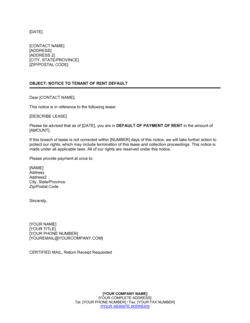
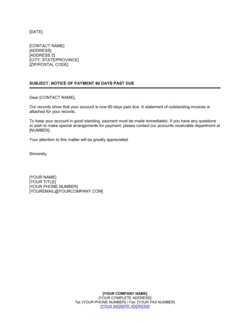
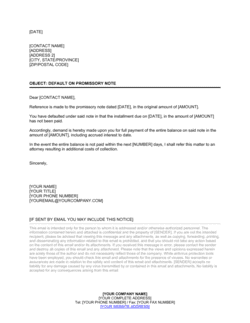
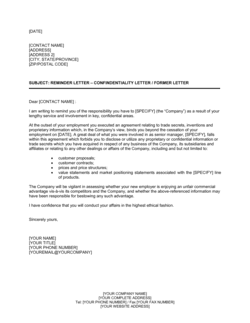
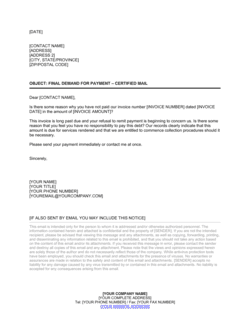
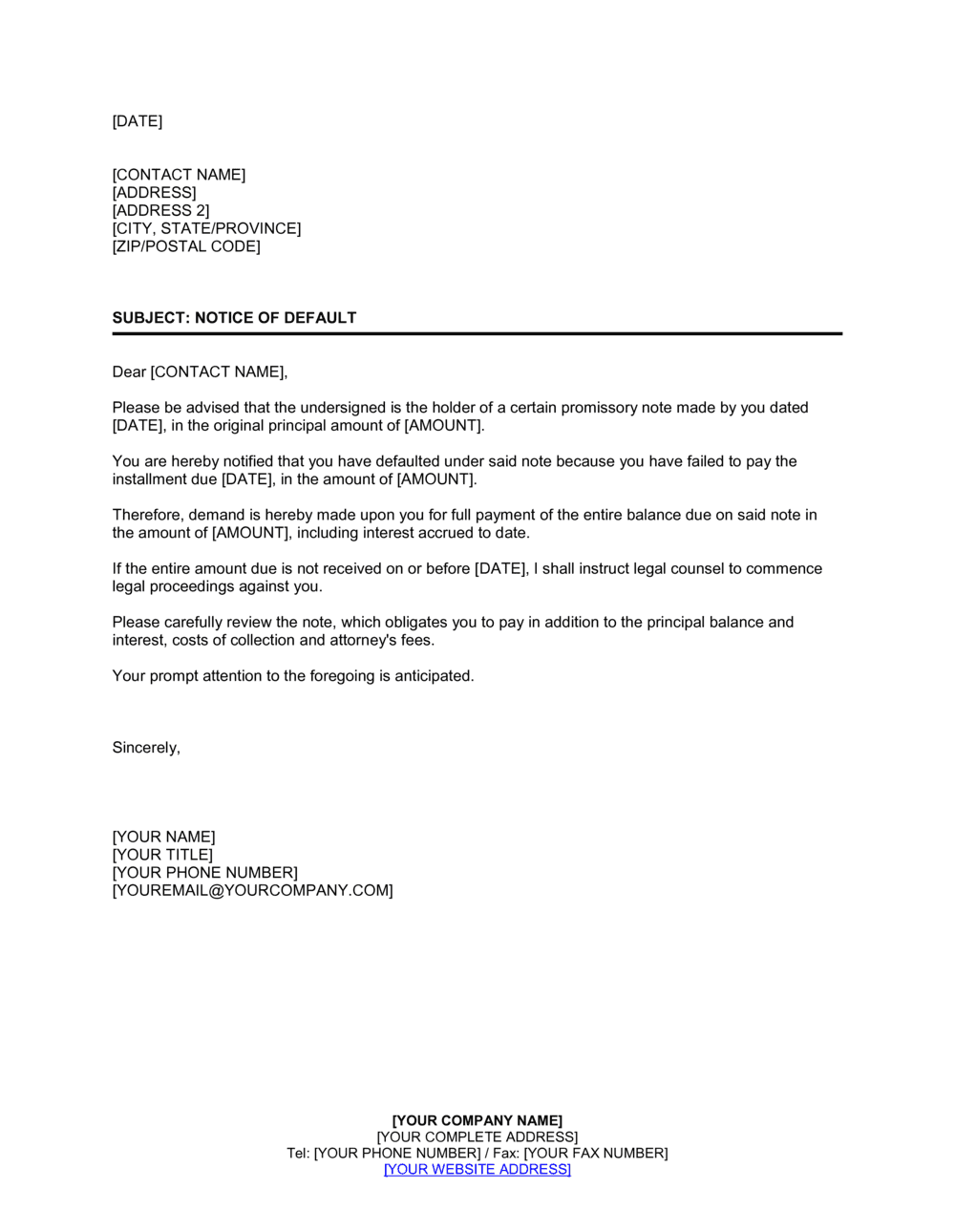
A Notice of Default in Payment is a formal written communication a creditor sends to a debtor to declare that a payment obligation has not been met and that the debtor is therefore in default. This free Word download gives you a structured, professional letter you can edit online, tailor to your specific agreement, and send within minutes β€” creating a documented record before any enforcement or collections action begins.
When you need it
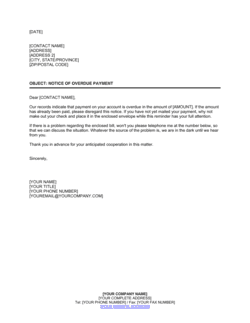
Send it as soon as a payment is overdue and informal reminders have gone unanswered. Most loan agreements, leases, and service contracts require a formal written notice of default before a creditor may accelerate the debt, engage a collections agency, or file a legal claim.
What's inside
Identification of both parties and the underlying agreement, a precise statement of the default and the overdue amount, a cure period giving the debtor a defined window to remedy the default, and a clear statement of the consequences β€” acceleration, collections, or legal action β€” if the default is not cured.

What is a Notice of Default in Payment?

A Notice of Default in Payment is a formal written letter a creditor sends to a debtor to declare that a scheduled payment has not been made as required by the terms of an underlying agreement β€” a loan, lease, service contract, or invoice β€” and that the debtor is therefore in default. The letter identifies the specific overdue amount, references the governing agreement, and grants the debtor a defined cure period to remit the outstanding balance before the creditor exercises enforcement rights such as acceleration, collections referral, or legal action. Most commercial agreements require this notice as a contractual precondition to any escalation, making it both a protective record for the creditor and a procedurally necessary step in the collections process.

Why You Need This Document

Skipping a formal notice of default can void your right to enforce the very remedies you are counting on. Many loan agreements, commercial leases, and service contracts include explicit notice-and-cure clauses that require written notification before the creditor may accelerate the balance, draw on collateral, or initiate legal proceedings β€” a creditor who jumps straight to enforcement without sending proper notice may find a court unwilling to grant relief. Beyond satisfying contractual requirements, a dated, signed default notice creates an unambiguous paper trail that establishes when the debtor was informed, how much was owed, and what cure deadline was set β€” evidence that is essential if the matter proceeds to collections or litigation. This template gives you a professionally structured notice you can complete in under 20 minutes, ensuring the right language is in place before you take the next step.

Which variant fits your situation?

If your situation is…Use this template
Debtor has missed a single loan repayment installmentNotice of Default in Payment
Tenant has failed to pay commercial rent on timeCommercial Lease Default Notice
Client owes for completed services and ignores invoicesPast Due Invoice Reminder Letter
Debtor has breached a non-payment term of the agreementNotice of Default (General Breach)
Creditor is ready to demand immediate full repaymentDemand Letter for Payment
Multiple defaults warrant terminating the underlying contractNotice of Termination of Contract
Debtor needs to acknowledge the default and agree to a repayment scheduleDebt Repayment Agreement

Common mistakes to avoid

❌ Using the debtor's trade name instead of their legal entity name

Why it matters: If the matter escalates to court, a notice addressed to a trade name rather than the registered legal entity can be challenged as improperly served, delaying or voiding enforcement.

Fix: Look up the debtor's exact registered legal name in the state or provincial business registry and use it verbatim in the notice.
❌ Setting a cure period shorter than the agreement requires

Why it matters: A cure period that does not meet the minimum specified in the contract or the applicable statute renders the notice defective, and the creditor may have to start the process over.

Fix: Check the default and notice provisions of the underlying agreement before drafting, and confirm the cure period meets any applicable statutory floor.

❌ Claiming late fees or interest not authorized by the agreement

Why it matters: Charges not expressly permitted by the contract can be disputed, giving the debtor a reason to contest the total overdue amount and delay payment.

Fix: Calculate overdue amounts using only the interest rate and fee schedule stated in the signed agreement, and cite the specific section that authorizes each charge.

❌ Sending the notice informally without proof of delivery

Why it matters: If the debtor claims they never received the notice, and you have no delivery record, your cure period and any subsequent enforcement action may be challenged.

Fix: Send via certified mail with return receipt, traceable courier, or email with a read receipt β€” and keep copies of all delivery confirmation in your records.

The 9 key clauses, explained

Date and parties

In plain language: States the date of the letter and identifies the creditor and debtor by full legal name and address.

Sample language
[DATE] | To: [DEBTOR FULL NAME / COMPANY NAME], [ADDRESS] | From: [CREDITOR FULL NAME / COMPANY NAME], [ADDRESS]

Common mistake: Using a trade name or informal name instead of the debtor's legal entity name β€” this can complicate enforcement if the matter proceeds to court.

Reference to the underlying agreement

In plain language: Cites the specific contract, loan agreement, or invoice that created the payment obligation, including its date and any reference number.

Sample language
This Notice refers to the [LOAN AGREEMENT / SERVICE AGREEMENT / INVOICE] dated [DATE], Agreement No. [REFERENCE NUMBER], entered into between [CREDITOR NAME] and [DEBTOR NAME].

Common mistake: Omitting the agreement date or reference number, which creates ambiguity if the debtor has multiple obligations to the same creditor.

Statement of default

In plain language: Clearly declares that the debtor is in default and identifies the specific payment obligation that has not been met.

Sample language
You are hereby notified that you are in default under the above-referenced Agreement. As of [DATE], payment of $[AMOUNT] due on [DUE DATE] has not been received.

Common mistake: Using vague language like 'you appear to be behind on payments' rather than a direct declaration β€” hedging language may undermine the legal trigger function of the notice.

Overdue amount and calculation

In plain language: Itemizes the total overdue balance, including any late fees or accrued interest permitted under the agreement.

Sample language
The total amount currently past due is $[AMOUNT], comprising principal of $[X], accrued interest of $[X] at [X]% per annum, and late fees of $[X] as provided in Section [X] of the Agreement.

Common mistake: Claiming late fees or interest not expressly authorized by the underlying agreement β€” uncontracted charges may be disputed and can undermine the entire notice.

Cure period and deadline

In plain language: Gives the debtor a specific number of days β€” typically 10 to 30 β€” to remit the overdue amount and cure the default.

Sample language
You have [10 / 15 / 30] calendar days from the date of this Notice β€” until [CURE DEADLINE DATE] β€” to remit the full overdue amount of $[AMOUNT] to [CREDITOR NAME] at [PAYMENT ADDRESS / WIRE DETAILS].

Common mistake: Setting a cure period shorter than the minimum required by the underlying agreement or applicable statute β€” a cure period that is too short can render the notice defective.

Consequences of failure to cure

In plain language: States the specific actions the creditor will take if the default is not remedied within the cure period β€” acceleration, collections, or legal proceedings.

Sample language
If the default is not cured by [CURE DEADLINE DATE], [CREDITOR NAME] reserves the right to (a) accelerate the entire outstanding balance of $[TOTAL BALANCE], making it immediately due and payable, (b) refer the account to a collections agency, and (c) pursue all available legal remedies.

Common mistake: Threatening remedies that are not actually available under the contract or applicable law β€” overstating consequences can expose the creditor to a wrongful-demand claim.

Payment instructions

In plain language: Provides clear, complete instructions for how the debtor should remit the overdue amount to cure the default.

Sample language
Payment may be made by wire transfer to: Bank: [BANK NAME] | Account Name: [CREDITOR NAME] | Account No.: [ACCOUNT NUMBER] | Routing No.: [ROUTING NUMBER] | Reference: [AGREEMENT / INVOICE NUMBER].

Common mistake: Omitting payment instructions entirely and expecting the debtor to use prior records β€” a debtor who cannot easily determine how to pay may use this as a reason to delay.

Reservation of rights

In plain language: States that sending the notice does not waive any of the creditor's rights under the agreement or at law, and that the creditor reserves all available remedies.

Sample language
This Notice is without prejudice to any and all rights and remedies of [CREDITOR NAME] under the Agreement and at law or in equity, all of which are expressly reserved.

Common mistake: Omitting a reservation of rights, which in some jurisdictions can be interpreted as an election of remedy that forecloses other enforcement options.

Closing and authorized signature

In plain language: Closes the letter formally, identifies the authorized signatory by name and title, and provides contact information for the debtor to respond.

Sample language
Please direct any inquiries to [CONTACT NAME] at [EMAIL] or [PHONE]. Sincerely, [AUTHORIZED SIGNATORY NAME], [TITLE], [CREDITOR COMPANY NAME].

Common mistake: Having the letter signed by someone without actual authority to bind the creditor β€” in a dispute, an improperly authorized notice may be challenged as invalid.

How to fill it out

  1. 1

    Enter the date and both parties' full legal names

    Use today's date or the intended send date. Enter the creditor's and debtor's full registered legal names and current mailing addresses β€” not trade names or abbreviations.

    πŸ’‘ Cross-check the debtor's legal name against the original signed agreement to ensure an exact match.

  2. 2

    Reference the underlying agreement precisely

    Cite the contract, loan agreement, or invoice by its title, execution date, and reference or agreement number. If the debt arises from multiple invoices, list each invoice number and date.

    πŸ’‘ Attach a copy of the referenced agreement or invoice to the notice so the debtor cannot claim unfamiliarity with the terms.

  3. 3

    State the default clearly and specifically

    Identify the exact payment that was missed β€” the amount, the date it was due, and how many days overdue it is as of the date of the notice.

    πŸ’‘ Avoid softening language. 'You are in default' is more enforceable than 'it appears a payment may have been missed.'

  4. 4

    Calculate and itemize the overdue amount

    Total the overdue principal, any accrued interest at the rate specified in the agreement, and any late fees expressly authorized by the agreement. Show the math for each component.

    πŸ’‘ Only include charges that are explicitly permitted by the underlying agreement β€” uncontracted fees invite disputes that delay collections.

  5. 5

    Set the cure period and calculate the deadline date

    Choose a cure period consistent with your agreement β€” typically 10, 15, or 30 calendar days. Calculate the exact calendar date the cure period expires and enter it explicitly.

    πŸ’‘ Check your agreement for a minimum cure-period requirement before setting the deadline β€” many loan and lease agreements specify a floor.

  6. 6

    List payment instructions and consequences

    Provide complete wire or remittance details so the debtor can cure without friction. Then list the specific remedies you will pursue if the cure deadline passes unpaid.

    πŸ’‘ Only threaten remedies you are actually prepared to exercise β€” idle threats reduce your negotiating position and can undermine the notice's credibility.

  7. 7

    Sign, send, and document delivery

    Have an authorized representative sign the letter and send it via a method that creates a delivery record β€” certified mail with return receipt, courier with tracking, or email with read receipt.

    πŸ’‘ Keep a copy of the signed notice and proof of delivery in your files β€” these are essential if the matter proceeds to litigation.

Frequently asked questions

What is a notice of default in payment?

A notice of default in payment is a formal written letter a creditor sends to a debtor declaring that a payment obligation has not been met and that the debtor is therefore in default. It identifies the overdue amount, the missed due date, and a cure period within which the debtor must remit payment before the creditor may pursue acceleration, collections, or legal action. Most loan, lease, and service contracts require this notice as a contractual precondition to enforcement.

When should I send a notice of default?

Send it after informal reminders β€” a past-due email or phone call β€” have gone unanswered and you are prepared to escalate. In most cases, a formal notice is appropriate once a payment is 10 to 30 days past due, depending on your agreement's terms. Do not wait too long: delay can be interpreted as waiver of the default in some jurisdictions, and many enforcement options require the notice as a documented first step.

Is a notice of default the same as a demand letter?

They are related but serve different stages. A notice of default declares the breach and gives the debtor a cure period β€” it is an early-stage warning with a structured opportunity to remedy. A demand letter typically follows an expired cure period and demands immediate payment of the full balance with no further opportunity to cure. Send the default notice first; if the cure deadline passes unpaid, follow with a formal demand letter.

Do I need a lawyer to send a notice of default?

No β€” for most standard payment defaults on commercial invoices or simple loan agreements, a well-drafted template is sufficient. A lawyer's review is worth considering if the overdue amount is substantial (typically above $25,000), if the agreement contains unusual enforcement provisions, or if you anticipate the debtor will dispute the default or the underlying contract. Many creditors use the template themselves and only engage counsel if the matter proceeds to litigation.

What happens if the debtor ignores the notice?

If the cure deadline passes without payment, the creditor may exercise the remedies stated in the notice β€” commonly acceleration of the full outstanding balance, referral to a collections agency, or filing a civil lawsuit. The notice itself serves as documented evidence that the creditor followed the contractually required notice-and-cure process, which is often a prerequisite to judgment. Keep a copy of the signed notice and proof of delivery for use in any subsequent proceedings.

How long should the cure period be?

Typically 10 to 30 calendar days, depending on what the underlying agreement specifies. Many commercial loan agreements set a 10- to 15-day cure period; residential and commercial leases often require 30 days. Always check the default provision in your specific agreement before setting the deadline β€” a cure period shorter than the contractual minimum can invalidate the notice.

Can I charge late fees and interest in the notice?

Yes, but only if late fees and interest are expressly authorized by the underlying agreement and calculated at the rate specified in it. Include a line-by-line breakdown of principal, accrued interest, and any late fees, and cite the agreement section that authorizes each charge. Adding uncontracted charges gives the debtor grounds to dispute the total and can delay or complicate collections.

Does sending this notice waive any of my rights?

Not if the notice includes a proper reservation-of-rights clause, which states that the notice is without prejudice to all rights and remedies under the agreement and at law. Including this clause ensures that offering a cure period cannot be construed as an election of remedy or a waiver of your right to pursue acceleration or litigation if the default is not cured.

Should the notice be sent by email or physical mail?

Use whichever method your agreement specifies in its notice provisions β€” many contracts designate a specific address and method for formal notices. If the agreement is silent, use a method that creates a documented delivery record: certified mail with return receipt, a traceable courier service, or email with a read receipt and a follow-up confirmation. Avoid relying on regular untracked mail or informal text messages for a formal default notice.

How this compares to alternatives

vs Demand Letter for Payment

A demand letter for payment is sent after the cure period has expired β€” it demands immediate, unconditional payment of the full balance and leaves no further opportunity to cure. A notice of default is an earlier-stage document that declares the breach and gives the debtor a defined window to remedy it. Send the default notice first; escalate to a demand letter only if the cure deadline passes without payment.

vs Past Due Invoice Reminder

A past-due invoice reminder is an informal courtesy follow-up β€” it requests payment but carries no formal legal consequence and does not satisfy any contractual notice-and-cure requirement. A notice of default is a formal legal communication that creates a documented default event, starts the cure clock, and is a prerequisite to enforcement. Use reminders first; escalate to a formal default notice if they go unanswered.

vs Notice of Termination of Contract

A notice of termination ends the underlying agreement entirely, typically after repeated or uncured defaults. A notice of default does not terminate the contract β€” it preserves it while giving the debtor a chance to cure. Termination is the consequence of an uncured default, not a substitute for the default notice itself.

vs Debt Repayment Agreement

A debt repayment agreement is a negotiated document that restructures overdue payments into an agreed schedule β€” it resolves the default rather than declaring it. If the debtor responds to the default notice and proposes a repayment plan, a debt repayment agreement formalizes that arrangement. The two documents work in sequence: default notice first, repayment agreement if the debtor engages constructively.

Industry-specific considerations

Commercial Real Estate

Landlords send default notices to commercial tenants for missed rent, triggering the lease's cure period before initiating eviction or drawing on a security deposit.

Financial Services and Lending

Private lenders and credit unions use formal default notices to satisfy the contractual notice-and-cure requirement before accelerating a loan balance or reporting to credit bureaus.

Construction and Contracting

Contractors issue default notices before filing a mechanic's lien, as many lien statutes require a prior written demand for payment as a prerequisite to lien enforcement.

Professional Services

Agencies, consultants, and law firms use default notices to formally document overdue invoices before referring accounts to collections or suspending ongoing services.

Template vs pro β€” what fits your needs?

PathBest forCostTime
Use the templateCreditors sending default notices on standard commercial invoices, straightforward loans, or lease arrears under $25,000Free15–20 minutes
Template + professional reviewLarger overdue balances, agreements with complex default provisions, or situations where the debtor is likely to dispute the notice$150–$400 for a brief legal review1–2 days
Custom draftedHigh-value defaults, multi-party credit facilities, or cases where litigation is anticipated and the notice must be court-ready from the outset$500–$1,500+3–7 days

Glossary

Default
Failure to fulfill a financial obligation β€” typically a missed or partial payment β€” as required by the terms of a contract or loan agreement.
Cure Period
A defined window of time, usually 10 to 30 days, given to the defaulting party to remedy the breach before enforcement action begins.
Acceleration Clause
A contract provision that makes the entire outstanding balance immediately due and payable upon the occurrence of a specified default event.
Creditor
The party owed money under a contract, loan, or invoice β€” the sender of the default notice.
Debtor
The party who owes the payment and is the recipient of the default notice.
Demand Letter
A letter requiring immediate payment of the full amount owed, typically sent after a cure period has expired without remedy.
Notice and Cure
A two-step process in which the creditor first sends written notice of default, then allows the debtor a defined period to cure before taking further action.
Acceleration
Triggering the acceleration clause so that the entire remaining loan or debt balance becomes due immediately rather than on the original repayment schedule.
Collections
The process of engaging a third-party agency or attorney to recover an unpaid debt, typically after the cure period has expired.
Written Notice Requirement
A contractual or statutory obligation specifying that a default must be communicated in writing before enforcement rights arise.

Part of your Business Operating System

This document is one of 3,000+ business & legal templates included in Business in a Box.

  • Fill-in-the-blanks β€” ready in minutes
  • 100% customizable Word document
  • Compatible with all office suites
  • Export to PDF and share electronically

Create your document in 3 simple steps.

From template to signed document β€” all inside one Business Operating System.
1
Download or open template

Access over 3,000+ business and legal templates for any business task, project or initiative.

2
Edit and fill in the blanks with AI

Customize your ready-made business document template and save it in the cloud.

3
Save, Share, Send, Sign

Share your files and folders with your team. Create a space of seamless collaboration.

Save time, save money, and create top-quality documents.

β˜…β˜…β˜…β˜…β˜…

"Fantastic value! I'm not sure how I'd do without it. It's worth its weight in gold and paid back for itself many times."

Managing Director Β· Mall Farm
Robert Whalley
Managing Director, Mall Farm Proprietary Limited
β˜…β˜…β˜…β˜…β˜…

"I have been using Business in a Box for years. It has been the most useful source of templates I have encountered. I recommend it to anyone."

Business Owner Β· 4+ years
Dr Michael John Freestone
Business Owner
β˜…β˜…β˜…β˜…β˜…

"It has been a life saver so many times I have lost count. Business in a Box has saved me so much time and as you know, time is money."

Owner Β· Upstate Web
David G. Moore Jr.
Owner, Upstate Web

Run your business with a system β€” not scattered tools

Stop downloading documents. Start operating with clarity. Business in a Box gives you the Business Operating System used by over 250,000 companies worldwide to structure, run, and grow their business.

Start freeΒ Β·Β No credit card required