Letter Of Interest Template

Free Word download β€’ Edit online β€’ Save & share with Drive β€’ Export to PDF

1 pageβ€’15–20 min to fillβ€’Difficulty: Standard
Learn more ↓
FreeLetter Of Interest Template

At a glance

What it is
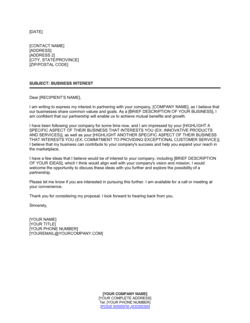
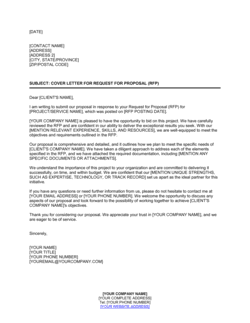
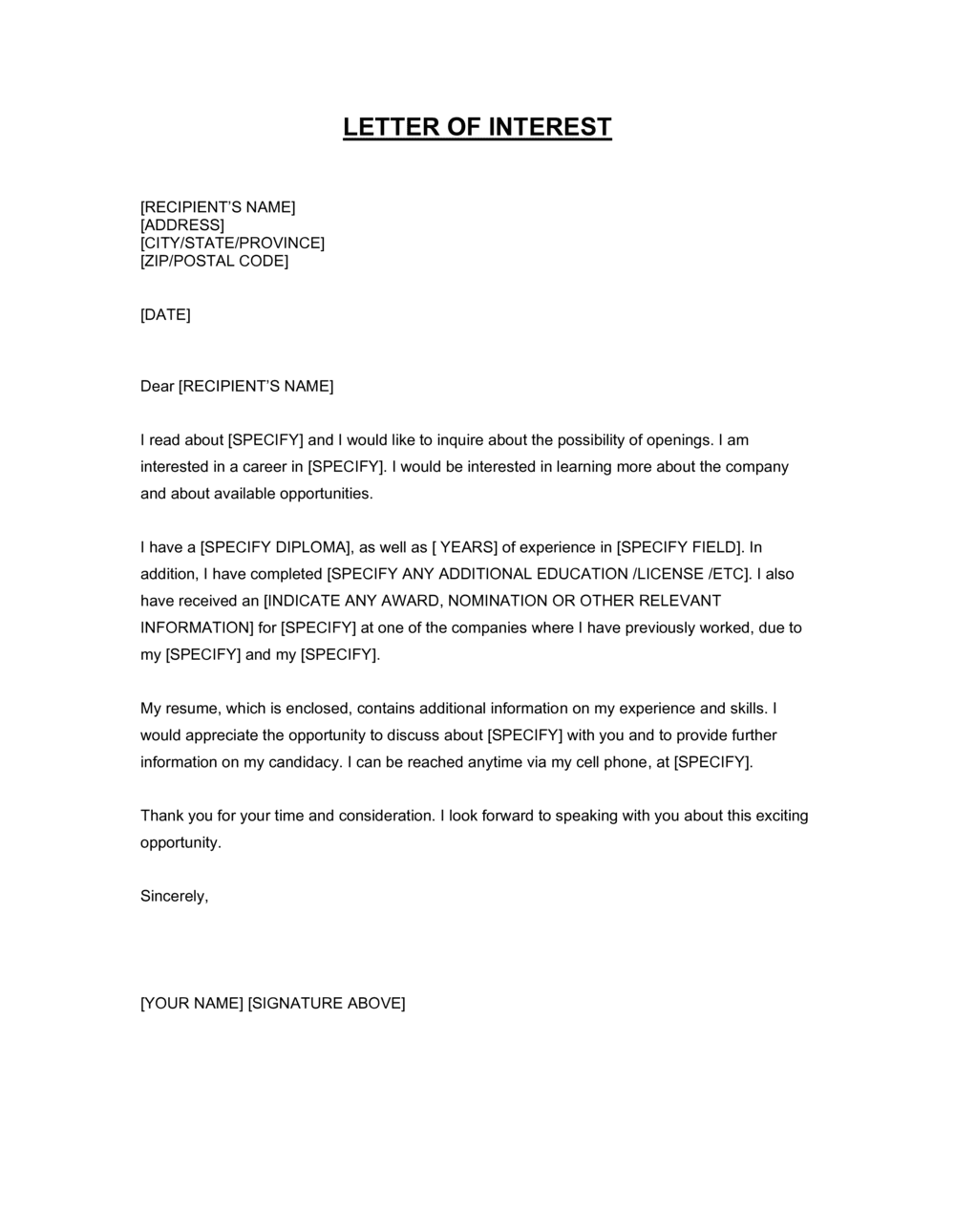
A Letter of Interest is a formal one-page letter sent to express serious interest in a job, business opportunity, partnership, or contract β€” even when no specific opening has been advertised. This free Word download gives you a structured starting point you can edit online and export as PDF in minutes, covering your fit, qualifications, and a clear proposed next step.
When you need it
Use it when you want to proactively approach an employer, potential partner, or prospective client before a formal vacancy or RFP is posted β€” or when you want to stand out from reactive applicants by reaching out directly.
What's inside
A professional header with contact details, an opening that names the specific opportunity or organization, a body that connects your qualifications to the recipient's known needs, and a closing paragraph with a concrete call to action and proposed next step.

What is a Letter of Interest?

A Letter of Interest is a formal one-page letter sent proactively to an employer, prospective partner, or potential client to express serious interest in an opportunity before it has been publicly advertised or formally opened. Unlike a cover letter β€” which responds to a specific job posting β€” a letter of interest creates the conversation: you identify a target organization, research their priorities, and reach out on your own initiative to establish fit and propose a next step. It functions equally well for job seekers targeting a specific employer, consultants proposing services to a new client, and businesses initiating partnership or vendor discussions before a procurement process begins.

Why You Need This Document

Waiting for a formal vacancy or RFP to be posted puts you in direct competition with every other applicant or vendor who saw the same announcement. A well-timed, well-researched letter of interest reaches decision-makers before the competition starts β€” and organizations frequently create roles or accelerate hiring conversations in response to a compelling unsolicited approach. Without a structured template, most people either write letters that are too long, too focused on their own goals, or too generic to prompt a reply. This template gives you the right structure β€” connection, qualifications, value proposition, and call to action β€” so that every letter you send is specific enough to stand out and short enough to be read in full.

Which variant fits your situation?

If your situation is…Use this template
Applying for a specific advertised job postingCover Letter
Expressing interest in an unadvertised job at a target employerLetter of Interest
Formally proposing a business partnership or joint ventureBusiness Partnership Proposal
Responding to a published request for proposalsBusiness Proposal
Introducing your company and services to a new prospectLetter of Introduction
Following up after an initial meeting or networking eventFollow-Up Letter
Formally declining an opportunity after expressing initial interestLetter of Declination

Common mistakes to avoid

❌ Sending a generic letter to multiple recipients without tailoring

Why it matters: Recipients can identify a mass-produced letter in seconds. An untailored letter signals low genuine interest and is discarded rather than forwarded.

Fix: Customize at least the opening paragraph, the value proposition, and the organizational fit paragraph for each individual recipient using specific research.

❌ Focusing on what you want rather than what you offer

Why it matters: A letter framed around your career goals or desire to grow puts the reader in the position of solving your problem β€” they have no incentive to respond.

Fix: Rewrite every paragraph to answer the question 'What does this mean for the recipient?' before moving to the next sentence.

❌ Writing more than one page

Why it matters: A letter of interest longer than one page signals poor editing judgment and reduces the chance it is read in full. Hiring managers and business contacts typically spend under 30 seconds on an unsolicited letter.

Fix: Cut to one page by removing any credential, sentence, or paragraph that does not directly serve this specific recipient's interests.

❌ No specific call to action or follow-up plan

Why it matters: Ending with 'I hope to hear from you' transfers all responsibility to the recipient and typically results in no response β€” especially for unsolicited outreach.

Fix: Close with a specific proposed next step, a timeframe, and a stated intention to follow up on a named date so the recipient knows you will act regardless.

The 8 key clauses, explained

Header and contact information

In plain language: Your full name, mailing address, phone number, and email address at the top of the letter, followed by the date.

Sample language
[YOUR FULL NAME] | [ADDRESS] | [CITY, STATE ZIP] | [PHONE] | [EMAIL] | [DATE]

Common mistake: Using a personal email address instead of a professional one β€” an address like 'partyguy84@' immediately undermines the letter's credibility before a word is read.

Recipient's inside address

In plain language: The full name, title, organization, and address of the person you are writing to, placed before the salutation.

Sample language
[RECIPIENT NAME], [TITLE] | [ORGANIZATION NAME] | [ADDRESS] | [CITY, STATE ZIP]

Common mistake: Addressing the letter to 'To Whom It May Concern' when a named contact is identifiable with five minutes of LinkedIn or company-website research β€” named salutations dramatically increase response rates.

Opening paragraph: purpose and connection

In plain language: States clearly why you are writing, names the specific organization or opportunity, and establishes any mutual connection or trigger that prompted the letter.

Sample language
I am writing to express my strong interest in joining [ORGANIZATION NAME] as a [TARGET ROLE/FUNCTION]. Having followed [ORGANIZATION NAME]'s work in [SPECIFIC AREA] β€” particularly [RECENT DEVELOPMENT OR ACHIEVEMENT] β€” I believe there is a meaningful alignment between your current priorities and my background in [FIELD].

Common mistake: Opening with 'My name is...' or 'I am writing to you today because...' β€” generic openers waste the most-read sentence of the letter; lead with the connection to the recipient instead.

Qualifications and relevant experience

In plain language: A focused summary of your most relevant skills, achievements, or credentials that directly address the recipient's known needs.

Sample language
Over the past [X] years at [PREVIOUS EMPLOYER], I [SPECIFIC ACHIEVEMENT β€” e.g., grew the enterprise accounts portfolio from $2M to $7M ARR]. My experience in [SKILL/FUNCTION] maps directly to the challenges [ORGANIZATION NAME] faces in [SPECIFIC AREA].

Common mistake: Listing a full career history instead of curating two or three achievements that are directly relevant to this specific recipient β€” a letter of interest is not a prose resume.

Value proposition paragraph

In plain language: Articulates specifically what you would bring to the organization or opportunity and why that matters to them β€” framed in terms of their goals, not your needs.

Sample language
I would bring [SPECIFIC CAPABILITY] to help [ORGANIZATION NAME] [SPECIFIC GOAL OR CHALLENGE], drawing on my experience with [RELEVANT CONTEXT]. My approach to [FUNCTION] has consistently produced [MEASURABLE OUTCOME] in comparable environments.

Common mistake: Framing the entire body around what you want from the opportunity rather than what you offer the recipient β€” hiring managers and business partners respond to value delivered, not career goals.

Organizational fit and research signal

In plain language: Demonstrates that you have researched the recipient's organization and explains why this specific organization β€” not just any in the field β€” is your target.

Sample language
I am specifically interested in [ORGANIZATION NAME] because of [SPECIFIC REASON β€” e.g., your recent expansion into the SMB market, your published commitment to [VALUE], your work on [PROJECT]]. This aligns with my own focus on [RELEVANT ALIGNMENT].

Common mistake: Using boilerplate praise like 'your company is a leader in the industry' with no specifics β€” it signals the letter was not written for this recipient and is likely to be discarded.

Call to action and proposed next step

In plain language: States clearly what you are asking the recipient to do next β€” typically a meeting or call β€” with a specific timeframe and an offer to provide additional materials.

Sample language
I would welcome the opportunity to discuss how my background could support [ORGANIZATION NAME]'s goals. I am available for a [20-minute call / meeting] at your convenience β€” I will follow up [in one week / on DATE] if I have not heard from you. My resume and portfolio are available on request.

Common mistake: Ending with 'I look forward to hearing from you' and taking no follow-up action β€” a passive close puts all responsibility on the recipient and significantly reduces response rates.

Professional closing and signature

In plain language: A formal sign-off (Sincerely, Respectfully, or Best regards), followed by your typed full name and, for printed letters, a handwritten signature space.

Sample language
Sincerely, [YOUR FULL NAME] | [TITLE, if applicable] | [LINKEDIN URL or PORTFOLIO URL, optional]

Common mistake: Using informal closings like 'Thanks!' or 'Cheers' in a formal letter of interest β€” the closing is the last impression you leave and should match the professional tone of the rest of the letter.

How to fill it out

  1. 1

    Research the recipient before writing a word

    Identify a named contact at the organization β€” typically a hiring manager, department head, or business development lead. Read recent news, their LinkedIn profile, and the organization's website to find specific talking points.

    πŸ’‘ A letter that references a specific initiative, publication, or recent announcement the recipient was involved in is three times more likely to receive a reply than a generic approach.

  2. 2

    Complete the header and inside address

    Enter your full contact details at the top, followed by today's date and the recipient's full name, title, organization, and address. Double-check the spelling of the recipient's name and title.

    πŸ’‘ If you cannot find a specific contact, address the letter to the relevant department head by title (e.g., 'Director of Engineering') rather than 'To Whom It May Concern.'

  3. 3

    Write the opening paragraph around the connection

    Name the specific opportunity or organization in the first sentence. If you have a mutual contact, mention them here. State immediately why you are writing and why this organization specifically.

    πŸ’‘ Keep the opening paragraph to three sentences or fewer β€” its only job is to make the recipient want to read the next paragraph.

  4. 4

    Select two or three targeted qualifications

    Choose the achievements and skills most directly relevant to the recipient's known priorities. Quantify each one where possible β€” revenue figures, percentages, team sizes, or timelines.

    πŸ’‘ Cut any credential that doesn't connect directly to what this recipient needs. Length signals padding, not strength.

  5. 5

    Write the value proposition in terms of their goals

    Reframe your qualifications as outcomes for the recipient, not biographical facts about you. Ask yourself: 'Why does this matter to them?' before each sentence.

    πŸ’‘ If you find yourself using the word 'I' more than three times in a single paragraph, rewrite it from the recipient's perspective.

  6. 6

    Add the call to action with a specific follow-up commitment

    State what you want to happen next (a call, a meeting, a brief conversation), propose a timeframe, and commit to a follow-up action β€” 'I will follow up on [DATE] if I haven't heard from you.'

    πŸ’‘ A specific follow-up date in the closing paragraph increases your response rate by giving the recipient a deadline they know you will act on.

  7. 7

    Proofread, then export as PDF before sending

    Read the letter aloud to catch awkward phrasing and run a spelling check. Export as PDF to preserve formatting across devices and email clients.

    πŸ’‘ Ask someone unfamiliar with your background to read the letter and summarize what you offer β€” if they cannot, the value proposition needs another pass.

Frequently asked questions

What is a letter of interest?

A letter of interest is a proactive, unsolicited letter sent to an employer, partner, or prospective client to express serious interest in an opportunity that has not been formally advertised. Unlike a cover letter, it is not written in response to a specific job posting or RFP β€” it creates the opportunity rather than responding to one. It outlines your qualifications, explains why this specific organization is your target, and proposes a clear next step.

What is the difference between a letter of interest and a cover letter?

A cover letter responds directly to an advertised job opening β€” it references the specific posting and is submitted alongside a resume as part of a formal application. A letter of interest is unsolicited: you are reaching out before any vacancy is announced, based on your own research and interest in the organization. Cover letters compete against other applicants for the same role; letters of interest create a conversation before the competition starts.

When should I use a letter of interest instead of a formal application?

Use a letter of interest when you have a specific target organization you want to work with or sell to but no open position or RFP has been posted. It is also appropriate when you hear through a mutual contact that an organization may be hiring soon, when you want to be considered for future opportunities, or when you are proposing a partnership or vendor relationship before a formal procurement process begins.

How long should a letter of interest be?

One page, maximum. Four to five paragraphs covering your opening and connection, two or three targeted qualifications, your value proposition, and a clear call to action is the standard structure. Recipients spend under 30 seconds on an unsolicited letter β€” anything longer reduces the chance the full letter is read.

How do I address a letter of interest if I don't know the contact's name?

Spend five minutes researching before defaulting to 'To Whom It May Concern.' LinkedIn, the organization's website team page, and a quick phone call to the front desk can usually surface a named contact. If you genuinely cannot find a name, address the letter to the relevant function β€” 'Dear Director of Partnerships' or 'Dear Head of Engineering' β€” which is more targeted than a generic salutation.

Should I follow up after sending a letter of interest?

Yes β€” following up is expected and appropriate for unsolicited outreach. State your follow-up intention in the letter itself ('I will follow up by [DATE] if I haven't heard from you') and then do it. A single polite follow-up email five to seven business days after sending is standard. Do not follow up more than twice without a response.

Can a letter of interest be used for business opportunities, not just jobs?

Yes. A letter of interest works equally well for proposing a vendor relationship, supplier agreement, strategic partnership, or distribution arrangement. The structure is the same β€” opening, qualifications, value proposition, call to action β€” but the qualifications section focuses on your organization's capabilities and relevant track record rather than individual career achievements.

What should I attach to a letter of interest?

For job-related letters, attach your resume and optionally a portfolio link. For business opportunities, attach a one-page company overview or capability statement if you have one. Keep attachments minimal for initial outreach β€” the goal is to generate a conversation, not to overwhelm the recipient before they have expressed any interest.

How this compares to alternatives

vs Cover Letter

A cover letter responds to a specific advertised job posting and is submitted as part of a formal application package. A letter of interest is unsolicited and creates a conversation before any vacancy is posted. Use a cover letter when applying to a known opening; use a letter of interest to get ahead of the competition by reaching out directly.

vs Business Proposal

A business proposal responds to an identified need or formal RFP with a detailed, structured offer including scope, pricing, and timelines. A letter of interest is shorter and earlier in the cycle β€” its goal is to open a conversation, not to close a deal. Use a letter of interest to initiate contact; follow it with a proposal once the recipient has expressed interest.

vs Letter of Intent

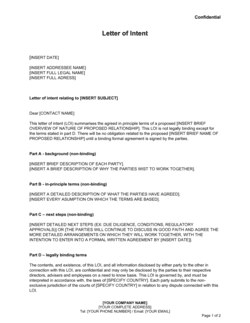
A letter of intent signals a formal, near-binding commitment to proceed with a transaction β€” commonly used in real estate, M&A, and procurement. A letter of interest is exploratory and non-binding, expressing interest without committing to specific terms. Use a letter of intent once both parties have agreed in principle; use a letter of interest to start the conversation.

vs LinkedIn Message / Email Outreach

An informal LinkedIn message or cold email is low-barrier but easy to ignore and rarely demonstrates serious professional intent. A formal letter of interest signals preparation, research, and genuine commitment β€” qualities that differentiate you in both job searches and B2B outreach. Use an informal message to test responsiveness; follow up with a formal letter when you want to be taken seriously.

Industry-specific considerations

Professional Services

Consultants and advisors use letters of interest to initiate client relationships and propose engagements before a formal RFP is issued.

Technology / SaaS

Business development and partnership teams use them to open conversations with integration partners, channel resellers, and enterprise accounts before procurement cycles begin.

Construction and Trades

Contractors and subcontractors submit letters of interest for upcoming government and municipal projects to be included in the pre-qualification or bid invitation list.

Creative and Marketing Agencies

Agency principals send letters of interest to prospect accounts during quiet periods between pitches, establishing awareness before a formal brief is issued.

Template vs pro β€” what fits your needs?

PathBest forCostTime
Use the templateJob seekers, freelancers, and small business owners writing targeted outreach letters independentlyFree30–60 minutes per letter
Template + professional reviewSenior professionals targeting C-suite contacts or high-value business development opportunities$50–$200 for a career coach or professional writer review1–2 days
Custom draftedExecutive job searches, board-level introductions, or high-stakes partnership proposals where a professional writer handles the full draft$200–$6002–5 days

Glossary

Letter of Interest
A proactive, unsolicited letter sent to express serious interest in an opportunity that has not been formally advertised.
Cover Letter
A letter written in direct response to a specific advertised job posting, referencing the role and application materials.
Cold Outreach
Contacting a person or organization with whom you have no prior relationship to introduce yourself or propose an opportunity.
Value Proposition
A clear, concise statement of the specific benefit you offer a recipient and why you are better positioned to deliver it than alternatives.
Call to Action
The specific next step you ask the recipient to take β€” for example, scheduling a 20-minute call or meeting.
Speculative Application
A job application or inquiry submitted without a specific vacancy being advertised, relying on the organization's future hiring needs.
Expression of Interest
A formal statement indicating a desire to be considered for an opportunity, often used in government procurement and academic contexts.
Professional Header
The block at the top of a formal letter containing the sender's name, address, phone, email, and the date of writing.
Inside Address
The recipient's name, title, organization, and mailing address as it appears on the letter, placed below the date and above the salutation.
Tailored Letter
A letter customized for a specific recipient by referencing their organization's known priorities, recent news, or publicly stated goals.

Part of your Business Operating System

This document is one of 3,000+ business & legal templates included in Business in a Box.

  • Fill-in-the-blanks β€” ready in minutes
  • 100% customizable Word document
  • Compatible with all office suites
  • Export to PDF and share electronically

Create your document in 3 simple steps.

From template to signed document β€” all inside one Business Operating System.
1
Download or open template

Access over 3,000+ business and legal templates for any business task, project or initiative.

2
Edit and fill in the blanks with AI

Customize your ready-made business document template and save it in the cloud.

3
Save, Share, Send, Sign

Share your files and folders with your team. Create a space of seamless collaboration.

Save time, save money, and create top-quality documents.

β˜…β˜…β˜…β˜…β˜…

"Fantastic value! I'm not sure how I'd do without it. It's worth its weight in gold and paid back for itself many times."

Managing Director Β· Mall Farm
Robert Whalley
Managing Director, Mall Farm Proprietary Limited
β˜…β˜…β˜…β˜…β˜…

"I have been using Business in a Box for years. It has been the most useful source of templates I have encountered. I recommend it to anyone."

Business Owner Β· 4+ years
Dr Michael John Freestone
Business Owner
β˜…β˜…β˜…β˜…β˜…

"It has been a life saver so many times I have lost count. Business in a Box has saved me so much time and as you know, time is money."

Owner Β· Upstate Web
David G. Moore Jr.
Owner, Upstate Web

Run your business with a system β€” not scattered tools

Stop downloading documents. Start operating with clarity. Business in a Box gives you the Business Operating System used by over 250,000 companies worldwide to structure, run, and grow their business.

Free Forever PlanΒ Β·Β No credit card required