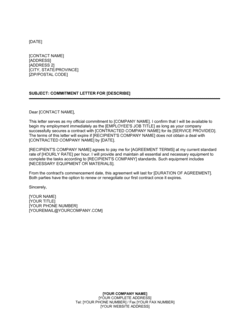
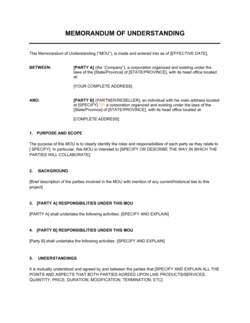
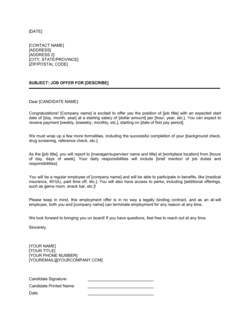
- Letter of Intent (LOI)
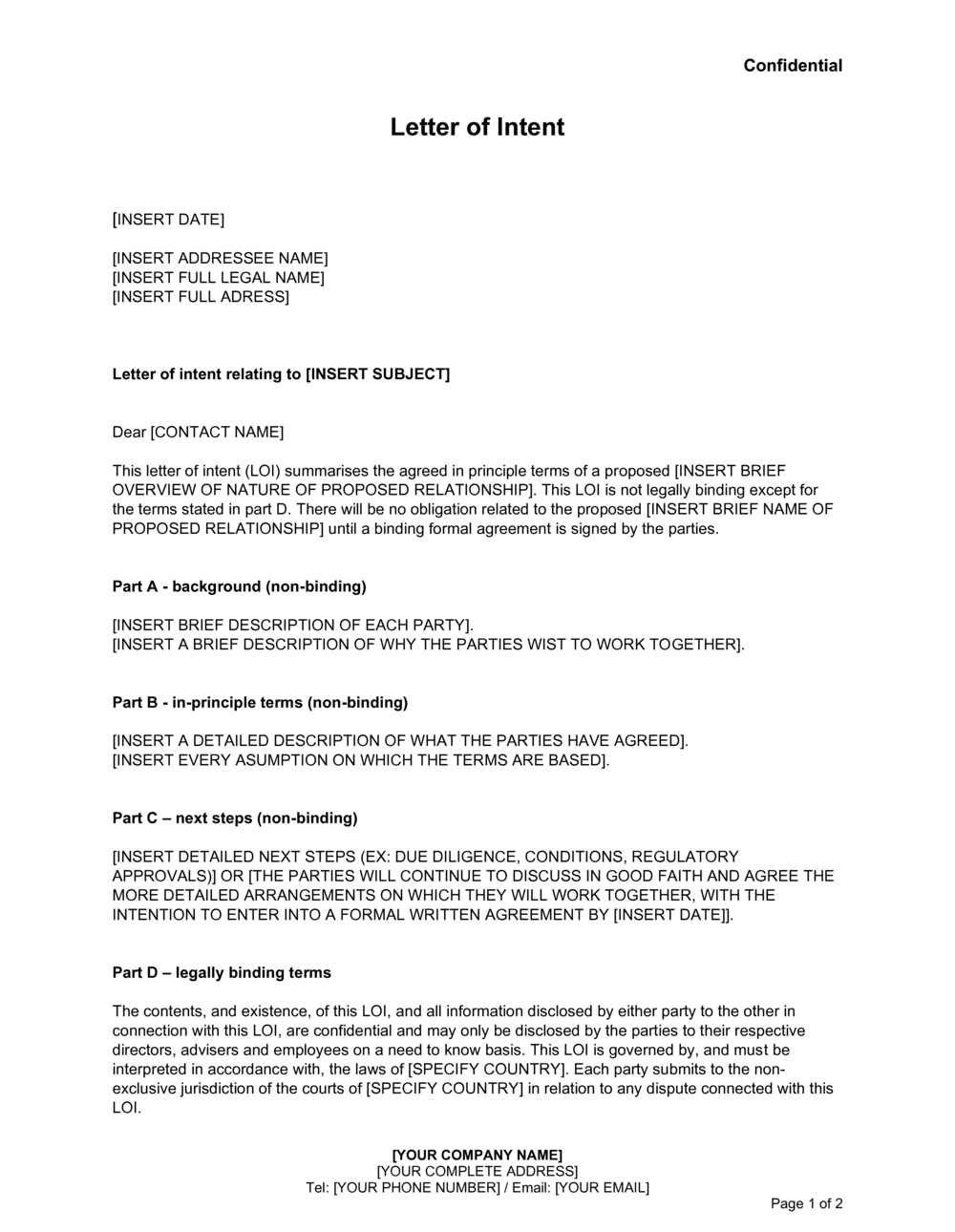
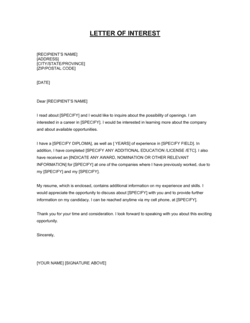
- A written document expressing one party's intention to enter into an agreement with another, outlining preliminary terms before a binding contract is drafted.
- Non-Binding Clause
- A statement within the LOI clarifying that the document does not create enforceable legal obligations, except for specific provisions explicitly designated as binding.
- Exclusivity Clause
- A provision preventing the receiving party from negotiating with other potential buyers or partners for a specified period while discussions are ongoing.
- No-Shop Clause
- A restriction on the seller or target company prohibiting it from actively soliciting competing offers during the exclusivity period.
- Due Diligence
- The investigative process a buyer or investor conducts to verify the financial, legal, and operational details of the subject of a transaction before finalizing an agreement.
- Definitive Agreement
- The final, fully negotiated, and legally binding contract that replaces the LOI once all terms have been agreed upon and due diligence is complete.
- Contingency
- A condition that must be satisfied before the transaction can proceed — such as securing financing, regulatory approval, or a satisfactory due diligence review.
- Good Faith Negotiations
- The expectation that both parties will negotiate honestly and openly toward a definitive agreement, without using the LOI period to extract concessions unfairly.
- Governing Law
- The jurisdiction whose laws will be used to interpret the LOI and any resulting disputes between the parties.
- Term Sheet
- A similar pre-agreement document used primarily in financing and investment contexts, outlining deal economics before a definitive investment agreement is drafted.