- Learning and Development (L&D)
- The organizational function responsible for identifying skill gaps and designing, delivering, and evaluating training programs to close them.
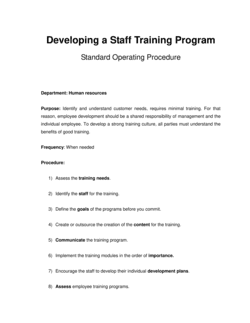
- Training Needs Analysis (TNA)
- A structured assessment process that identifies the gap between current employee skills and the skills required to meet business objectives.
- Mandatory Training
- Training required by law, regulation, or internal policy — such as workplace health and safety, anti-harassment, or data privacy courses.
- Continuing Professional Development (CPD)
- Ongoing learning activities that professionals undertake to maintain, improve, and broaden their skills and knowledge after initial qualification.
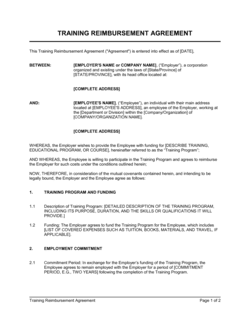
- Tuition Reimbursement
- An employer-funded benefit that reimburses employees for all or part of the cost of external education programs, typically subject to grade or completion conditions.
- Skills Gap
- The difference between the skills an employee currently possesses and the skills their role requires, identified through performance data or business strategy reviews.
- Blended Learning
- A training delivery model that combines in-person instruction with self-paced online modules, coaching, or on-the-job practice.
- Return on Training Investment (ROTI)
- A measure of the business value generated by a training program relative to its cost, typically assessed through post-training performance data.
- Clawback Provision
- A policy clause requiring an employee to repay employer-funded training costs if they resign within a defined period after completing the program.
- 70-20-10 Model
- A widely referenced learning framework suggesting that 70% of development comes from on-the-job experience, 20% from peer interaction, and 10% from formal training.