1
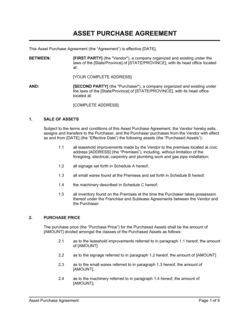
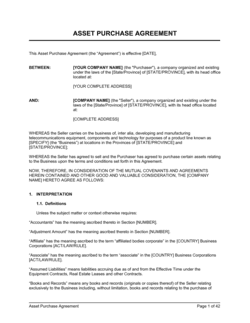
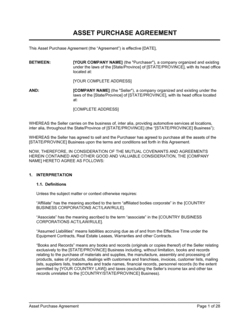
Identify the parties and the business being sold
Enter the buyer's and seller's full legal names and entity types (e.g., [SELLER LEGAL NAME], a [STATE] limited liability company). Describe the retail business by trade name, address, and type of merchandise or services sold.
💡 If the seller is an individual rather than an entity, confirm they hold title to the assets personally — assets owned by a corporate entity cannot be sold by its sole owner as an individual.
2
Build the purchased assets schedule
Complete Schedule A with a line-by-line list of every asset transferring: fixtures and furniture, equipment with serial numbers, inventory (to be adjusted at closing), trade name and domain, customer lists, social media accounts, supplier contracts, and any transferable licenses or permits.
💡 Walk through the store physically and photograph every asset before populating the schedule — items missed at this stage are legally excluded from the sale.
3
Set the purchase price and payment structure
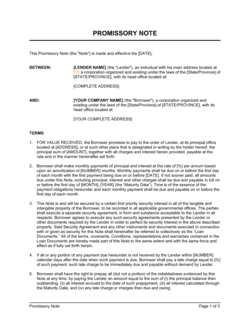
Enter the total consideration, allocate it between cash at closing, seller-financed note, and any escrow holdback. Complete Schedule C with the tax allocation across each asset category — inventory, equipment, non-compete, and goodwill.
💡 Buyers generally prefer to allocate more to inventory and equipment (depreciable) and less to goodwill (15-year amortization). Sellers often prefer the reverse for capital gains treatment. Negotiate this before signing.
4
Define the inventory adjustment mechanism
Set the target inventory value, the methodology for the closing count (cost or retail), and the adjustment formula. Specify who conducts the count, how disputes are resolved, and the maximum adjustment cap if applicable.
💡 Use cost-of-goods figures from the seller's accounting system as the baseline rather than retail price — cost is the only objective measure both parties can verify independently.
5
List assumed liabilities explicitly in Schedule D
Enter only the liabilities the buyer expressly agrees to take on — typically the commercial lease, open purchase orders for incoming inventory, and any transferable gift card or store credit obligations.
💡 Run a UCC lien search in the seller's jurisdiction before finalizing this section. Security interests filed against the assets must either be released at closing or included in the assumed liabilities with full disclosure.
6
Complete the representations and warranty disclosure schedules
The seller must populate each disclosure schedule (liens on assets, pending litigation, material contracts, employee list, open insurance claims) accurately and completely. Buyers should review each schedule during due diligence before signing.
💡 Any fact not disclosed in a schedule that later proves to be a breach of a rep is an indemnification trigger — sellers should err toward over-disclosure rather than brevity.
7
Confirm the lease assignment path and deadline
Identify whether the commercial lease requires landlord consent to assign, and set a realistic deadline for obtaining it. If consent is denied, clarify whether the buyer will negotiate a new direct lease or terminate the agreement.
💡 Contact the landlord before executing the agreement to gauge their likely response — landlords sometimes use an assignment request to renegotiate rent, which can change the economics of the deal.
8
Execute at closing with all required deliverables
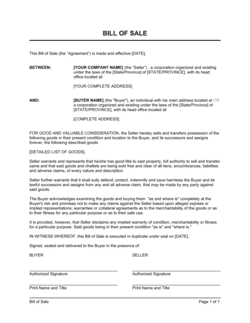
Both parties sign the agreement, the seller delivers a Bill of Sale and Assignment of Lease, and the buyer remits the cash portion of the purchase price. Exchange all keys, POS credentials, vendor account logins, and supplier contact information at or immediately after closing.
💡 Date the agreement on the actual closing date — not a projected date. A gap between the agreement date and the closing date can create ambiguity about when title to inventory and risk of loss transferred.