8 Steps To Becoming A Top Earner In Your Field

Free to read β€’ Save or share with one click

Free8 Steps To Becoming A Top Earner In Your Field Template

At a glance

What it is
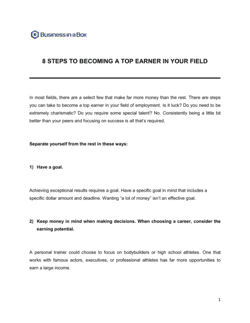
The 8 Steps To Becoming A Top Earner In Your Field is a structured Word template that guides professionals through eight evidence-based actions for reaching the top income tier in their industry. This free download gives you a ready-to-customize framework covering mindset, skill positioning, network building, and income diversification β€” edit it online and export as PDF to use in coaching, mentorship, or personal career planning.
When you need it
Use it when you are ready to move beyond incremental salary increases and want a concrete, step-by-step roadmap for reaching top-earner status. It is equally useful for career coaches delivering structured programs, HR leaders building internal talent-development materials, and individual professionals mapping a multi-year income growth strategy.
What's inside
Eight sequenced sections covering mindset and goal setting, skills assessment and gap analysis, personal brand building, network development, income stream diversification, negotiation tactics, visibility and thought leadership, and a 90-day action plan with measurable milestones.

What is the 8 Steps To Becoming A Top Earner In Your Field?

The 8 Steps To Becoming A Top Earner In Your Field is a structured professional development template that translates the habits, strategies, and positioning moves of top-income professionals into an eight-section action framework any ambitious professional can follow. It covers the full income-growth journey β€” from setting a specific earnings target to completing a 90-day execution plan β€” and is designed to replace vague career aspirations with named actions, measurable milestones, and a clear personal strategy. Available as a free Word download, it is built to be edited with your own field, income figures, and timelines, then exported as PDF for individual use or delivery to coaching clients.

Why You Need This Document

Most professionals plateau at mid-career income levels not because they lack talent, but because they lack a structured strategy for the specific levers that drive top-earner status: deliberate skills positioning, a high-value network above their current tier, multiple income streams from their expertise, and the negotiation preparation that converts documented results into higher compensation. Without a written plan, income growth defaults to annual performance reviews and luck. This template forces the clarity that replaces luck with intention β€” identifying your two highest-leverage skills gaps, locking in a specific income target and deadline, and building a week-by-week 90-day plan before the quarter begins. Career coaches who deliver this framework as a structured client engagement report measurably faster client progress than those using unstructured conversations alone.

Which variant fits your situation?

If your situation is…Use this template
Building a long-term career growth roadmap with specific milestonesCareer Development Plan
Preparing for a salary negotiation conversationSalary Negotiation Script
Identifying skills gaps before pursuing a promotionSkills Gap Analysis Template
Creating a personal brand strategy to attract high-value opportunitiesPersonal Brand Strategy Template
Setting 90-day goals tied to income or promotion targets90-Day Action Plan
Coaching a team member on high performance expectationsEmployee Performance Improvement Plan
Launching a consulting or coaching practice to monetize expertiseBusiness Plan for Service Professionals

Common mistakes to avoid

❌ Starting with tactics before setting an income target

Why it matters: Without a specific target, every tactic feels equally valid β€” and you spread effort across too many directions without measurable progress toward any of them.

Fix: Lock in a specific income figure and deadline in Step 1 before completing any other section. Every subsequent decision should be evaluated against whether it moves you toward that number.

❌ Treating the plan as a one-time document rather than a weekly reference

Why it matters: A plan reviewed only at creation loses relevance within 30 days as circumstances, opportunities, and priorities shift.

Fix: Schedule a 30-minute weekly review to measure progress, adjust tactics, and carry forward incomplete actions to the next week.

❌ Building a broad network instead of a targeted one

Why it matters: Adding 500 LinkedIn connections at your current level creates social proof but rarely generates the access to opportunities, referrals, or mentorship that drives income growth.

Fix: Identify 10–15 specific individuals one or two levels above your income target and invest in building genuine relationships with them over 90 days.

❌ Launching multiple income streams before the first one is stable

Why it matters: Splitting focus across three unproven income streams produces three mediocre results instead of one that compounds into a reliable second income.

Fix: Choose the single income stream closest to your existing expertise, build it to $1,000–$2,000 per month in consistent revenue, then add the next one.

❌ Skipping the negotiation preparation section

Why it matters: Most professionals leave 10–20% of their potential compensation on the table by accepting the first offer or negotiating without market data or documented results.

Fix: Before any compensation conversation, compile current market rate data, three to five quantified career results, and a specific opening ask with a documented rationale.

❌ Confusing thought leadership volume with quality

Why it matters: Publishing ten low-effort posts per month signals availability and filler, not expertise β€” and can actively damage the personal brand you are trying to build.

Fix: Publish one well-researched, specific, and opinionated piece per week rather than daily generic content. Depth and specificity are the signals that attract high-value opportunities.

The 8 key sections, explained

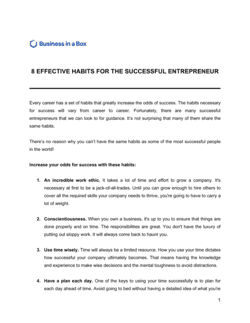
Step 1 β€” Set a specific income target and deadline

Step 2 β€” Audit your current skills and identify the gap

Step 3 β€” Build a high-value personal brand

Step 4 β€” Develop a high-value network intentionally

Step 5 β€” Develop multiple income streams from your expertise

Step 6 β€” Master high-stakes negotiation

Step 7 β€” Invest in visibility and thought leadership

Step 8 β€” Build a 90-day action plan with weekly milestones

How to fill it out

  1. 1

    Set your income target before opening any other section

    Enter a specific dollar figure and a deadline in Step 1. Every downstream decision β€” which skills to build, which streams to launch β€” flows from this anchor number.

    πŸ’‘ Use publicly available salary data (LinkedIn Salary, BLS Occupational Outlook, or Glassdoor) to confirm what the top 10% in your field actually earns before setting your target.

  2. 2

    Complete the skills gap audit honestly

    List the five most common skills cited in top-earner job postings or consulting profiles in your field. Rate yourself 1–5 on each. Prioritize the two gaps where a one-point improvement has the clearest path to a salary or rate increase.

    πŸ’‘ LinkedIn job postings for roles one level above yours are a reliable proxy for the skills that translate into higher income in your specific field.

  3. 3

    Write a one-sentence personal brand positioning statement

    Complete this sentence: 'I help [SPECIFIC AUDIENCE] achieve [SPECIFIC OUTCOME] through [SPECIFIC METHOD OR EXPERTISE].' Use it consistently across your LinkedIn headline, bio, and outreach.

    πŸ’‘ Test your positioning statement on five peers. If they cannot repeat it back accurately, it is not specific enough.

  4. 4

    Map your network and identify the gaps

    List your top 20 professional relationships. Note their seniority level and industry. If fewer than five are at or above your income target, your network has a gap that needs deliberate work.

    πŸ’‘ One introduction from a well-connected mentor is worth more than 50 cold LinkedIn connections β€” invest in deepening existing relationships before expanding the list.

  5. 5

    Choose one additional income stream to activate first

    Review the list of potential income streams in Step 5 and select the single one closest to your existing expertise and network. Write a launch date and a 90-day revenue target for it.

    πŸ’‘ The fastest path to a second income stream is almost always consulting or advising for former employers or clients β€” they already trust your work.

  6. 6

    Compile your negotiation evidence file

    Gather three to five data points: current market rate ranges, quantified results you have delivered (revenue generated, cost saved, projects completed), and any competing offers or outside interest.

    πŸ’‘ Document results in numbers, not adjectives. '$2.3M in new pipeline in Q3' opens a negotiation; 'strong sales performance' does not.

  7. 7

    Set a minimum viable publishing schedule

    Choose one platform and one content format you can commit to consistently for 90 days. One well-researched post per week beats five rushed ones β€” quality signals expertise; volume alone signals availability.

    πŸ’‘ Repurpose one piece of content into three formats: a written post, a short video, and a slide or infographic. One idea generates three touchpoints with minimal additional effort.

  8. 8

    Transfer key milestones to a calendar with reminders

    Block time on your calendar for each week's top-earner actions before the 90 days begin. Unscheduled goals compete with urgent daily tasks and consistently lose.

    πŸ’‘ Set a 30-minute weekly review every Sunday to check progress against the plan and adjust the upcoming week's tasks based on what actually happened.

Frequently asked questions

What is the 8 Steps To Becoming A Top Earner In Your Field template?

It is a structured Word document that guides professionals through eight sequenced actions for reaching the top income tier in their industry β€” from setting a specific income target to building a 90-day execution plan. The template is designed for individual use, career coaching programs, and corporate talent development initiatives. Download it free, customize it with your field and income targets, and export as PDF to share or present.

Who is this template designed for?

The template is useful for any professional who wants a concrete, structured path to higher income β€” not just a vague aspiration. Career coaches use it as a client deliverable, HR leaders use it in high-potential programs, and ambitious individual contributors use it as a personal roadmap. It works across industries because the eight steps are principle-based rather than field-specific.

How long does it take to complete the template?

Filling in all eight sections thoughtfully takes two to four hours in a single focused session, or about 30 minutes per section spread across a week. The 90-day action plan in Step 8 requires the most time because it depends on the decisions made in Steps 1 through 7. Rushing it produces a generic plan; investing the time produces a personalized roadmap you will actually execute.

What is the difference between this template and a career development plan?

A career development plan maps the skills, experiences, and roles needed to progress through a career path over 3–5 years. This template is specifically focused on income growth β€” reaching the top earning tier within your current field β€” and includes sections on income diversification, negotiation strategy, and thought leadership that a standard career plan typically omits. They complement each other well and can be used together.

Can this template be used by someone just starting their career?

Yes, though the emphasis shifts slightly. Early-career professionals should focus most heavily on Steps 2 and 3 β€” skills gap analysis and personal brand positioning β€” as these create the foundation that accelerates income growth over time. Steps 5 and 6 (income streams and negotiation) become more relevant once you have two or more years of documented results to leverage.

How do I identify which income streams are realistic for my field?

Step 5 of the template includes a framework for mapping income streams to your existing expertise and network. Start by listing every way people in your field earn money beyond their primary salary β€” consulting, fractional roles, speaking, training, digital products, and advisory positions are the most common. Then rank them by proximity to your existing relationships and skills, and start with the highest-ranked one.

What makes this different from generic career advice articles?

Generic advice tells you to 'network more' or 'build your brand' without a concrete structure for doing either. This template gives you specific fill-in-the-blank sections β€” a positioning statement, a negotiation evidence file, a weekly publishing schedule, and a 90-day milestone calendar β€” so the advice becomes an executable plan with named actions, owners, and dates rather than aspirational reading material.

How often should I revisit the completed template?

Review the full plan at the end of each 90-day cycle. Check your progress against the income target set in Step 1, update the skills gap assessment in Step 2 based on what you have learned, and rebuild the 90-day action plan in Step 8 for the next quarter. Top earners treat their career strategy as a living document, not a one-time exercise.

How this compares to alternatives

vs Career Development Plan

A career development plan maps the roles, experiences, and skills needed to progress along a career path over 3–5 years. This template focuses specifically on income growth within your current field β€” including negotiation, income diversification, and thought leadership β€” rather than role progression. They are complementary: use the career plan for long-term trajectory and this template for near-term income acceleration.

vs 90-Day Action Plan

A 90-day action plan is a short-term execution tool that breaks any goal into weekly milestones. This template includes a 90-day plan as its final step, but wraps it in seven prior sections that define the strategy β€” income target, skills gaps, brand, network, income streams, and negotiation prep. Use the standalone 90-day plan when you already have a strategy and just need an execution tracker.

vs Performance Improvement Plan

A performance improvement plan is an employer-initiated document addressing underperformance with corrective actions and a review timeline. This template is a self-directed, proactive strategy for professionals who are already performing and want to break into the top income tier. The two documents serve opposite contexts: one is remedial, the other is aspirational.

vs Employee Development Plan

An employee development plan is typically created collaboratively between a manager and an employee to build skills relevant to their current role and department goals. This template is self-directed and income-focused, including steps that extend beyond the current employer β€” personal branding, outside income streams, and market-rate negotiation β€” making it more suitable for independent career planning than for a managed HR process.

Industry-specific considerations

Financial Services

Emphasis on professional certifications (CFA, CFP), book-of-business development, and client referral networks as the primary levers for reaching top-earner status.

Technology / SaaS

Skills gap analysis focuses on in-demand technical stacks and leadership competencies; income diversification includes advisory equity, fractional CTO roles, and technical content monetization.

Professional Services

Personal brand and thought leadership sections drive client acquisition for consultants and lawyers; billable rate negotiation requires documented case outcomes and specialization positioning.

Sales and Business Development

Top-earner strategy centers on moving from quota attainment to enterprise deal ownership, building a personal referral network, and negotiating on-target earnings structure rather than base salary alone.

Template vs pro β€” what fits your needs?

PathBest forCostTime
Use the templateIndividual professionals mapping their own top-earner strategy without a coachFree2–4 hours to complete all eight sections
Template + professional reviewProfessionals working with a career coach who wants a structured framework to guide the engagement$150–$500 for a single career coaching session to review and stress-test the plan1–2 days including prep and session
Custom draftedExecutives or high-earning professionals seeking a bespoke career strategy from a specialized career consultant$1,000–$5,000 for a full career strategy engagement2–4 weeks

Glossary

Top Earner
A professional in the top 10–20% of income within their industry or occupation, typically characterized by specialized skills, strong visibility, and consistent high-value output.
Income Diversification
Building multiple income streams from a single area of expertise β€” such as consulting fees, speaking engagements, digital products, and royalties β€” to reduce reliance on a single employer or client.
Personal Brand
The professional reputation and public positioning a person deliberately builds around their skills, values, and track record to attract career and income opportunities.
Skills Gap Analysis
A structured comparison of the competencies you currently have against those required to reach the next income level or role in your field.
Thought Leadership
The practice of publishing, speaking, or creating content that demonstrates expertise and shapes industry conversations, increasing your visibility and perceived value.
High-Value Network
Relationships with peers, mentors, and decision-makers who can refer opportunities, provide inside information, or advocate for you in rooms you are not yet in.
Negotiation Leverage
The combination of competing offers, documented results, market data, and irreplaceability that gives you bargaining power when discussing compensation.
90-Day Action Plan
A short-term execution roadmap that breaks a larger goal into specific weekly tasks and measurable outcomes within a 90-day window.
Value Proposition
A clear statement of the specific, measurable results you deliver that justifies premium compensation and differentiates you from peers at the same level.
Compounding Career Equity
The cumulative advantage built when early investments in skills, reputation, and relationships generate returns that grow over time, accelerating income trajectory.

Part of your Business Operating System

This document is one of 3,000+ business & legal templates included in Business in a Box.

  • Fill-in-the-blanks β€” ready in minutes
  • Compatible with all office suites
  • Export to PDF and share electronically

Create your document in 3 simple steps.

From template to signed document β€” all inside one Business Operating System.
1
Download or open template

Access over 3,000+ business and legal templates for any business task, project or initiative.

2
Edit and fill in the blanks with AI

Customize your ready-made business document template and save it in the cloud.

3
Save, Share, Send, Sign

Share your files and folders with your team. Create a space of seamless collaboration.

Save time, save money, and create top-quality documents.

β˜…β˜…β˜…β˜…β˜…

"Fantastic value! I'm not sure how I'd do without it. It's worth its weight in gold and paid back for itself many times."

Managing Director Β· Mall Farm
Robert Whalley
Managing Director, Mall Farm Proprietary Limited
β˜…β˜…β˜…β˜…β˜…

"I have been using Business in a Box for years. It has been the most useful source of templates I have encountered. I recommend it to anyone."

Business Owner Β· 4+ years
Dr Michael John Freestone
Business Owner
β˜…β˜…β˜…β˜…β˜…

"It has been a life saver so many times I have lost count. Business in a Box has saved me so much time and as you know, time is money."

Owner Β· Upstate Web
David G. Moore Jr.
Owner, Upstate Web

Run your business with a system β€” not scattered tools

Stop downloading documents. Start operating with clarity. Business in a Box gives you the Business Operating System used by over 250,000 companies worldwide to structure, run, and grow their business.

Start freeΒ Β·Β No credit card required