Transportation Templates
Logistics, shipping, fleet, trucking, courier, ride-share.
Instant downloads • Fully editable • Export to Word, Excel or PDF
23 templates
Includes Broker Carrier Agreement, Shipping Receiving and Traffic Clerk Job Description, Agreement Between Carrier and Shipper and 20 more.
At a glance
What it is
Transportation operators — from independent truckers and freight brokers to courier fleets and medical transport providers — need a specific set of contracts, notices, policies, and plans that govern how goods and passengers move, who bears liability when things go wrong, and how delays or damage are communicated. This filter surfaces every template in the Business in a Box catalog that applies to those day-to-day and compliance needs.
When you need one
Reach for these templates whenever you are formalizing a carrier relationship, documenting a shipment irregularity, building internal operating policies, or writing a business plan to secure financing for a fleet. They are equally useful for solo owner-operators setting up their first contracts and for operations managers standardizing communication across a multi-driver company.
Popular Transportation Templates




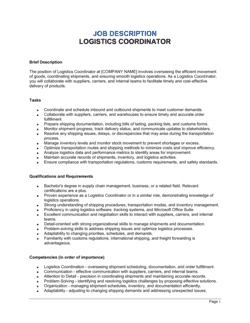



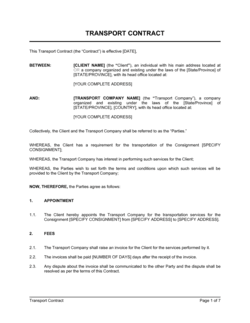
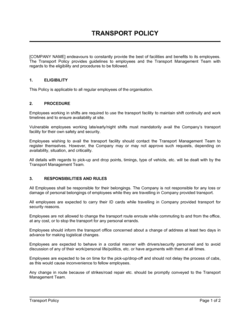



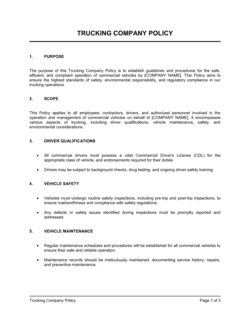
Which template fits your situation?
The right starting point depends on whether you are setting policy, formalizing a commercial relationship, handling a shipment problem in real time, or planning a new venture. Use the scenarios below to find the most relevant template quickly.
How transportation operators get the most from these templates
Working through the catalog systematically — rather than grabbing individual documents as crises arise — gives transportation businesses a consistent, defensible paper trail.
Identify your operating model
Determine whether you are a carrier, broker, shipper, or fleet operator, because each role uses a different subset of the catalog.
Start with a foundational contract or policy
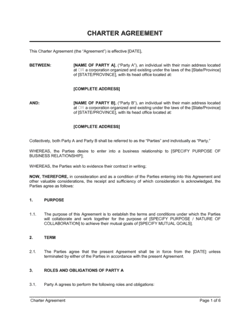
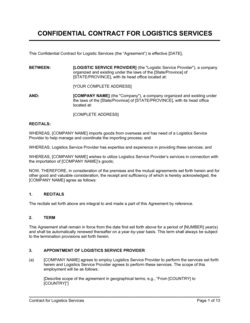
Choose either a Transport Contract, Broker Carrier Agreement, or Shipping Policy as the backbone document that governs your core commercial relationships.
Add shipment communication templates
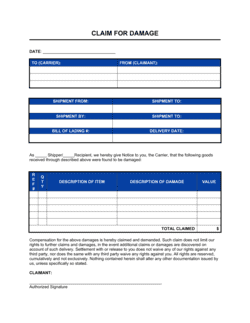
Download the delay notice, damage claim, and error notification templates so your team has ready-made language for every common shipment irregularity.
Build internal operating policies
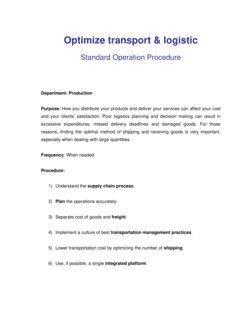
Use the Transport Policy and Trucking Company Policy to document driver rules, vehicle use standards, and incident reporting procedures.
Customize placeholders to your jurisdiction
Replace bracketed fields — carrier name, DOT number, state law references — and have a transport attorney review any high-value contract before signing.
Align your business plan with your operational documents
If you are seeking financing, use a Trucking Company Business Plan template and make sure its operational assumptions match the policies and contracts you have already written.
Assign templates to roles
Map each template to the person responsible — dispatcher, operations manager, driver — so documents are used consistently rather than only when problems surface.
Glossary
- carrier
- A company or individual legally licensed to transport goods or passengers in exchange for compensation.
- freight broker
- A licensed intermediary who arranges transportation between shippers and carriers without taking physical possession of the cargo.
- bill of lading
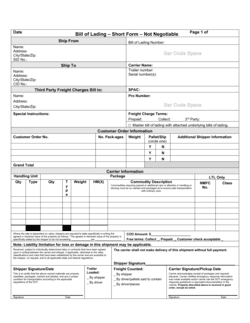
- A legal document issued by a carrier that serves as a receipt for shipped goods and a contract of carriage.
- shipping manifest
- A detailed list of all cargo loaded onto a vehicle or vessel for a given trip, used for tracking and customs purposes.
- cargo claim
- A formal demand filed by a shipper or consignee seeking compensation for goods lost, damaged, or delayed during transit.
- accessorial charge
- An additional fee beyond the base freight rate, applied for services such as liftgate use, inside delivery, or detention time.
- rate confirmation
- A written document that locks in the agreed price and load details between a broker and a carrier before pickup.
- operating authority
- A permit issued by a transport regulator — such as the FMCSA in the United States — that authorizes a carrier to haul specific commodity types for hire.
- detention
- A fee charged by a carrier when a shipper or receiver delays loading or unloading beyond the agreed free-time window.
- consignee
- The party named in a shipping document as the recipient of the goods being transported.
- back-order
- An order for goods that cannot be fulfilled immediately because the items are not currently in stock or available for shipment.
- proof of delivery
- A document — signed by the consignee — confirming that a shipment arrived at its destination in the described condition.
Transportation Templates by department
Browse other industries
Frequently asked questions
What transportation templates are available?
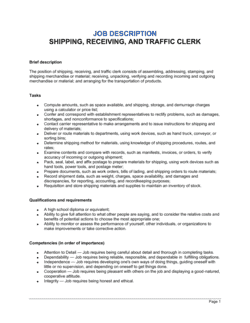
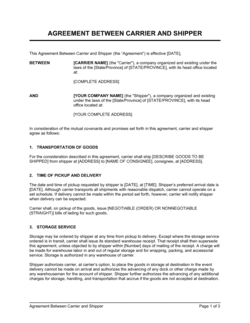
23 transportation templates, including Broker Carrier Agreement, Shipping Receiving and Traffic Clerk Job Description, Agreement Between Carrier and Shipper, Auto Repair Shop Business Plan, Bill of Lading.
What transportation business templates does Business in a Box offer?
The catalog includes 40+ templates covering carrier and shipper agreements, broker carrier contracts, shipping and transport policies, trucking company business plans, shipment delay notices, damage claims, order acknowledgments, and hiring documents for logistics roles. Every template is available as an editable Word file and can be exported to PDF.
Do I need a lawyer to use these transportation contract templates?
You do not need a lawyer to fill in and send most shipment communication templates such as delay notices or damage claims. For commercial contracts — particularly carrier agreements, broker carrier agreements, and transport contracts involving significant cargo values — it is advisable to have a transport attorney review the final document before signing, as liability provisions vary by jurisdiction.
Which template should a new trucking company download first?
A new trucking company typically needs a Trucking Company Business Plan to secure financing, a Transport Contract or Agreement Between Carrier and Shipper to formalize client relationships, and a Trucking Company Policy to govern driver conduct and fleet operations. Starting with those three covers planning, commercial, and operational needs from day one.
How does the Broker Carrier Agreement differ from the Agreement Between Carrier and Shipper?
The Broker Carrier Agreement is used when a freight broker is the intermediary arranging the load on behalf of a shipper — it governs the broker-to-carrier relationship and typically includes rate confirmation and compliance representations. The Agreement Between Carrier and Shipper is a direct contract between the party moving the goods and the party that owns them, without a broker in the middle. Use the broker carrier version if you operate as a licensed freight broker; use the carrier-shipper version for direct commercial relationships.
Can these templates be used for medical or specialty transport?
Yes. The catalog includes a dedicated Medical Transport Business Plan for operators in patient or non-emergency medical transport, and the general transport contracts and policies can be adapted for specialty fleets. Additional regulatory requirements — such as HIPAA compliance for patient transport — are not covered in the templates themselves and should be addressed with appropriate legal counsel.
What should a shipment delay notice include?
A shipment delay notice should identify the original order or shipment reference, state the expected new delivery date, explain the reason for the delay at a level appropriate for the customer relationship, and include contact information for follow-up. The Business in a Box catalog offers three delay notice variants to cover different delay scenarios and communication tones.
Are there templates for handling damaged or missing shipments?
Yes. The catalog includes a Claim for Damage on Shipped Goods, a Notice of Credit for Merchandise Damaged in Shipment, a Notice of Receipt on Incomplete Shipment, and a template for communicating that a missing shipment is being traced. Together these cover the most common post-delivery dispute scenarios.
Which business plan template is best for a freight or trucking startup?
The catalog offers three options: Trucking Company Business Plan, Trucking Company Business Plan 2, and Trucking and Freight Company Business Plan. All three cover market analysis, fleet and equipment planning, revenue modeling, and financing needs. Review each to find the structure that best matches your specific model — owner-operator, regional carrier, or full freight brokerage.
Do these templates cover hiring for logistics roles?
The catalog includes a Shipping, Receiving and Traffic Clerk Job Description and a corresponding Interview Guide for that role. For broader hiring needs — employment agreements, offer letters, and onboarding policies — the HR and staffing templates in the Business in a Box catalog complement the transportation-specific documents.
How our templates are made
Every template is written by the Business in a Box editorial team and reviewed by Bruno Goulet, CEO & Editor-in-Chief. Business in a Box has published business and legal templates for more than 20 years. Each document page explains what the template covers and how to fill it in; for legal documents, have a qualified professional review the final version when the stakes warrant it.