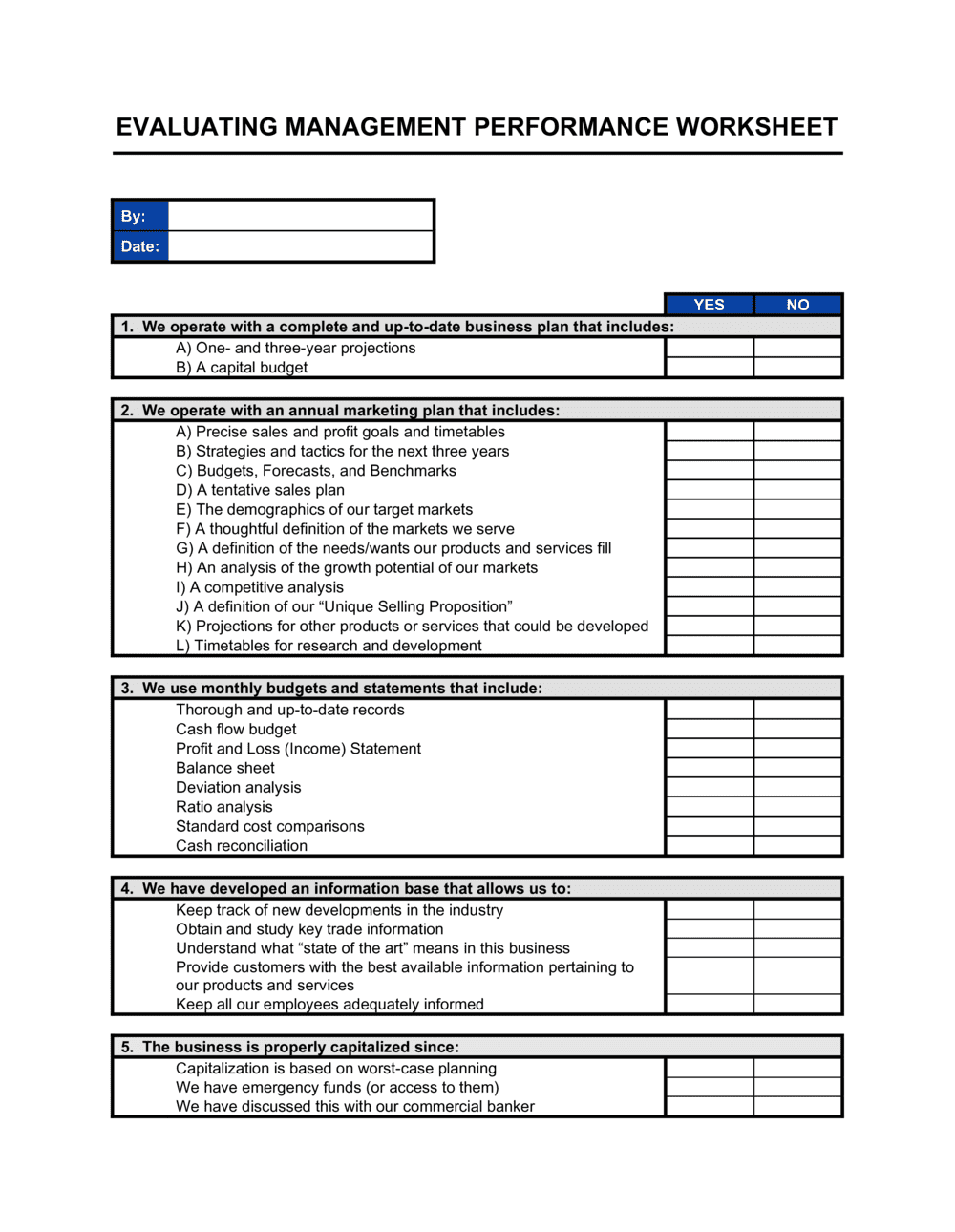
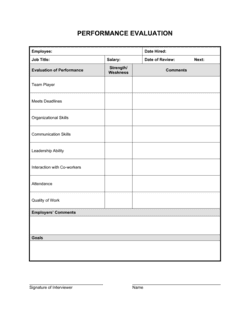
- Performance Rating Scale
- A numeric or descriptive scoring system used to assign a standardized grade to each evaluated competency or KPI — for example, 1 to 5 or 'Unsatisfactory' through 'Exceeds Expectations.'
- Key Performance Indicator (KPI)
- A quantifiable metric tied to a specific role or business objective against which a manager's results are measured during a review period.
- Competency
- A defined skill, behavior, or attribute — such as communication, decision-making, or team development — that the organization expects a manager to demonstrate.
- Review Period
- The defined timeframe covered by the evaluation, typically 6 or 12 months, beginning and ending on stated calendar dates.
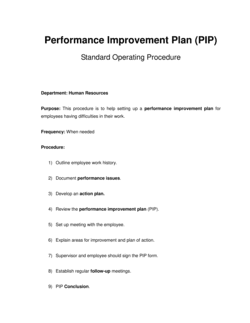
- Performance Improvement Plan (PIP)
- A formal document setting specific, time-bound performance targets for an employee who has not met expectations, often triggered by a below-threshold appraisal score.
- Calibration Session
- A meeting among multiple managers or HR stakeholders to align rating standards across evaluations and reduce inter-rater bias before scores are finalized.
- Halo Effect
- A cognitive bias in which a reviewer's positive impression of one attribute inflates ratings across unrelated categories, reducing the accuracy of the overall assessment.
- Recency Bias
- The tendency to weight recent performance events more heavily than earlier ones in the review period, distorting the overall rating.
- Dual-Signature Acknowledgment
- A section where both the reviewer and the evaluated manager sign the completed worksheet — confirming the review took place, not necessarily agreement with the conclusions.
- Weighted Rating
- A scoring method that assigns different percentage weights to each competency or KPI category, reflecting the organization's relative priorities.
- Constructive Dismissal Risk
- The legal exposure created when a manager is subjected to a pattern of negative evaluations that a court later finds was used to manufacture grounds for termination rather than document genuine underperformance.