Wire Transfer Instructions Form Template

Free Word download β€’ Edit online β€’ Save & share with Drive β€’ Export to PDF

1 pageβ€’20–25 min to fillβ€’Difficulty: Standard
Learn more ↓
FreeWire Transfer Instructions Form Template

At a glance

What it is
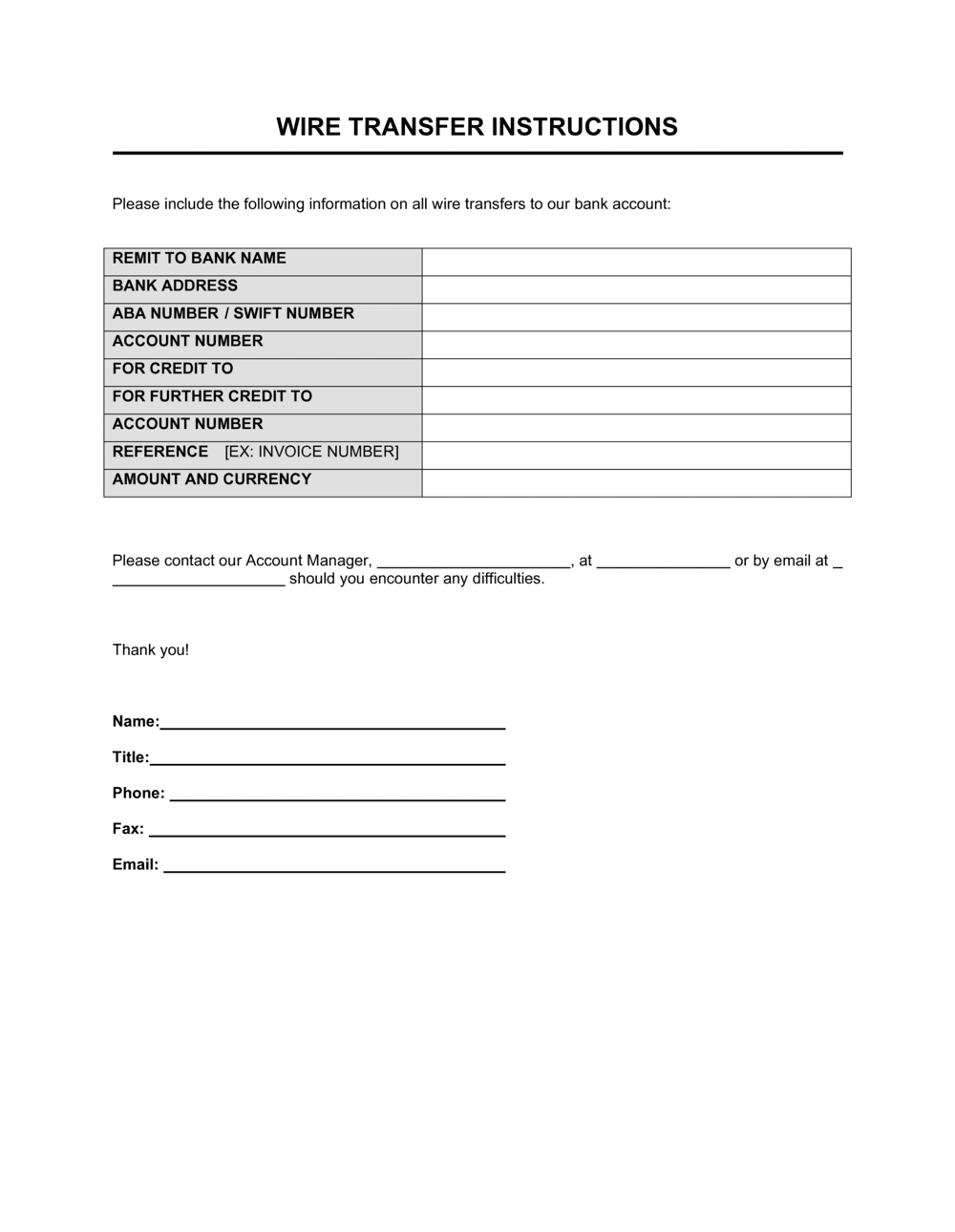
A Wire Transfer Instructions Form is a standardized document a payer fills in to initiate or authorize a bank wire transfer to a beneficiary. This free Word download captures every field a sending bank requires β€” beneficiary name, bank name and address, account number, ABA routing number or SWIFT/BIC code, transfer amount, currency, and payment reference β€” so funds reach the correct account without delays or rejections.
When you need it
Use it whenever you need to send or request a wire payment β€” paying a vendor invoice, settling a real estate transaction, disbursing payroll, or funding an international supplier β€” and a standardized record of the banking details is required by your bank or internal finance team.
What's inside
Payer and beneficiary identification fields, full bank routing details including ABA and SWIFT codes, transfer amount and currency, an intermediary bank block for international transfers, and a payment reference field for matching the wire to an invoice or purchase order.

What is a Wire Transfer Instructions Form?

A Wire Transfer Instructions Form is a standardized document that captures every banking detail required to route a wire payment from a sender to a beneficiary β€” including the beneficiary's full legal name, bank name and address, account number, ABA routing number or SWIFT/BIC code, IBAN for international transfers, transfer amount and currency, and a payment reference. Rather than communicating these details ad hoc in an email, the form creates a single, verified record that the payer submits to their bank and both parties retain for reconciliation.

Why You Need This Document

A missing digit in an account number or a wrong routing code is all it takes to misdirect a wire β€” and recovering misdirected funds can take weeks, with no guarantee of success. Sharing banking details in unstructured emails also increases exposure to business email compromise fraud, where attackers substitute fraudulent account numbers before the message reaches the payer. A completed wire transfer instructions form gives the sender a complete, verified checklist to submit to their bank and gives both parties a paper trail for audit, reconciliation, and dispute resolution. This template gives you a clean, professional starting point that covers every field domestic and international banks require, so payments clear on the first attempt.

Which variant fits your situation?

If your situation is…Use this template
Sending a domestic wire within the US using ABA routing numbersDomestic Wire Transfer Instructions Form
Sending an international wire requiring a SWIFT/BIC codeInternational Wire Transfer Instructions Form
Requesting ACH direct deposit details instead of a wireDirect Deposit Authorization Form
Authorizing a recurring wire on a fixed scheduleWire Transfer Authorization Form
Documenting a real estate closing wire to a title companyReal Estate Wire Transfer Instructions
Requesting vendor banking details for your ERP or accounting systemVendor Bank Information Form
Confirming wire receipt and matching to an outstanding invoicePayment Confirmation Letter

Common mistakes to avoid

❌ Using the ACH routing number instead of the wire routing number

Why it matters: Many US banks assign different routing numbers for ACH and wire transactions. Submitting the wrong number causes the wire to be rejected or returned, adding 1–3 business days of delay.

Fix: Confirm the wire-specific routing number directly on the bank's website or by calling the branch before completing the form.
❌ Omitting the payment reference

Why it matters: Without a reference, the beneficiary cannot match an incoming wire to an open invoice, creating unapplied cash that stalls reconciliation and can trigger a follow-up dispute.

Fix: Always include the invoice number or PO number in the reference field, and keep it under 35 characters to avoid truncation.

❌ Skipping the intermediary bank block for international wires

Why it matters: When the sending bank has no direct relationship with the beneficiary's bank, a missing intermediary causes the wire to be returned β€” often after a deduction for return fees.

Fix: Ask the beneficiary's bank whether an intermediary or correspondent bank is required before completing the form, and include all SWIFT details if so.

❌ Not verifying banking details through a secondary channel

Why it matters: Business email compromise fraud often involves intercepted wire instructions with substituted account numbers β€” acting on unverified email instructions can result in irrecoverable fund loss.

Fix: Call the beneficiary at a phone number sourced independently from your records β€” not from the email containing the instructions β€” to verbally confirm the account and routing numbers before any wire above $5,000.

The 10 key fields, explained

Payer (sender) information

Beneficiary name and address

Beneficiary bank name and address

Account number

ABA routing number / SWIFT/BIC code

IBAN (international transfers)

Intermediary bank details

Transfer amount and currency

Payment reference

Date and authorized signature block

How to fill it out

  1. 1

    Enter payer information

    Fill in the full legal name, mailing address, phone number, and email of the individual or business sending the wire. This must match the name on the sending bank account.

    πŸ’‘ Save a pre-filled version with your own payer details so you only need to update the beneficiary section for each new wire.

  2. 2

    Enter the beneficiary's name and address

    Type the beneficiary's full legal name and complete mailing address exactly as they appear on the bank account. Do not use abbreviations or nicknames.

    πŸ’‘ Ask the beneficiary to copy their name from a bank statement rather than typing it from memory β€” bank-level accuracy prevents compliance holds.

  3. 3

    Fill in the beneficiary bank details

    Enter the bank's full name and branch address. For domestic US wires, add the 9-digit ABA wire routing number. For international wires, add the SWIFT/BIC code and IBAN where applicable.

    πŸ’‘ Confirm the ABA routing number is wire-specific β€” check the bank's website or call the branch, as ACH and wire routing numbers often differ.

  4. 4

    Add intermediary bank details if required

    If the beneficiary's bank requires a correspondent or intermediary bank, enter that bank's name, address, and SWIFT/BIC code in the intermediary block. Ask the beneficiary's bank directly if you are unsure.

    πŸ’‘ Smaller regional banks and credit unions in developing countries almost always require an intermediary β€” when in doubt, ask before submitting.

  5. 5

    State the amount and currency

    Enter the exact amount to transfer and specify the ISO currency code (USD, EUR, GBP, etc.). For foreign currency wires, confirm the exchange rate and any conversion fees with your bank before submitting.

    πŸ’‘ For recurring vendor payments, note the currency in your records so the form pre-fills correctly next time.

  6. 6

    Enter a payment reference

    Type the invoice number, PO number, or project code in the reference field. Keep it under 35 characters β€” many banking systems truncate longer references.

    πŸ’‘ Using the invoice number as the reference eliminates manual matching work for the beneficiary's accounts receivable team.

  7. 7

    Obtain internal authorization and submit

    Have the appropriate signatory review and approve the form before submitting it to your bank. For wires above your internal threshold, require a second approver signature.

    πŸ’‘ Verify the beneficiary's banking details by phone or a secondary channel before submitting any wire above $5,000 β€” wire fraud via intercepted email is common.

Frequently asked questions

What is a wire transfer instructions form?

A wire transfer instructions form is a standardized document that captures all the banking details a sender needs to initiate a wire payment β€” beneficiary name, bank name and address, account number, ABA routing or SWIFT/BIC code, transfer amount, currency, and payment reference. It gives the sending bank everything required to route funds accurately and gives both parties a written record of the transaction details.

What information is needed to wire money to someone?

For a domestic US wire you need: the beneficiary's full legal name, bank name and address, account number, and the bank's wire-specific ABA routing number. For an international wire, replace the ABA number with a SWIFT/BIC code and add an IBAN for European beneficiaries. You will also need the transfer amount, currency, and a payment reference such as an invoice number.

What is the difference between an ABA routing number and a SWIFT code?

An ABA routing number is a 9-digit code that identifies a US bank for domestic transactions β€” ACH transfers, checks, and domestic wires. A SWIFT/BIC code is an 8- or 11-character international identifier used to route cross-border wire transfers between banks in different countries. Domestic US wires use ABA numbers; international wires require a SWIFT code and often an IBAN as well.

Do I need an intermediary bank for international wires?

Not always, but frequently. When your sending bank and the beneficiary's bank do not have a direct correspondent relationship, funds must route through an intermediary β€” also called a correspondent β€” bank. Smaller regional banks and banks in developing countries typically require one. Ask the beneficiary's bank directly whether an intermediary is needed and request their SWIFT details before completing the form.
How long does a wire transfer take?

Domestic US wires submitted before the bank's daily cut-off time (typically 3:00–5:00 PM) generally settle the same business day via Fedwire. International wires typically take 1–5 business days depending on the destination country, the number of intermediary banks involved, and local processing times. Wires submitted after the cut-off time are processed the following business day.

Is a wire transfer reversible?

Wire transfers are generally not reversible once the funds have been credited to the beneficiary's account. You can request a recall through your bank, but success depends on the beneficiary's bank and the beneficiary's willingness to return the funds. This is why verifying all banking details through a secondary channel before submitting a wire is critical β€” errors and fraud are very difficult to undo.

Can I use this form to receive wire payments from clients?

Yes. Fill in your own banking details in the beneficiary fields and share the completed form with the payer. This gives them a standardized, accurate record of your wire instructions and reduces the chance of errors caused by manually typed details in an email. For high-value transactions, follow up with a phone confirmation so the payer can verify the details are genuine.

What is wire transfer fraud and how do I protect against it?

Wire transfer fraud β€” often called business email compromise β€” occurs when an attacker intercepts or spoofs an email containing wire instructions and substitutes fraudulent account details. Since wires are rarely reversible, losses can be permanent. Protect against it by always verifying new or changed wire instructions by phone using a number sourced independently, requiring dual authorization for wires above a defined threshold, and never acting on wire instructions received solely by email without a verbal confirmation.

How this compares to alternatives

vs ACH Direct Deposit Authorization Form

An ACH authorization form sets up automated, low-cost batch payments using the ACH network β€” ideal for payroll and recurring vendor payments. A wire transfer instructions form initiates a real-time, higher-value payment through Fedwire or SWIFT. Use ACH for recurring domestic payments under $25,000; use wire for large, time-sensitive, or international transactions.

vs Invoice

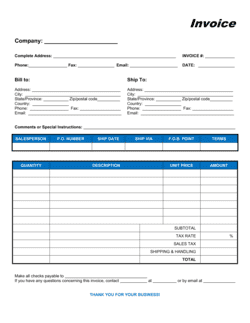
An invoice requests payment and itemizes what is owed. A wire transfer instructions form provides the banking details needed to fulfill that payment. They work together β€” the invoice triggers the obligation; the wire instructions form tells the payer exactly where to send the funds.

vs Payment Request Form

A payment request form is an internal document an employee submits to authorize a disbursement from the company. A wire transfer instructions form is the external-facing document that captures the beneficiary's banking details for the actual transfer. The payment request triggers approval; the wire instructions form supplies the routing data.

vs Bank Authorization Letter

A bank authorization letter grants a third party permission to act on an account holder's behalf or access account information. A wire transfer instructions form simply documents the routing details for a specific payment. The authorization letter governs access rights; the wire instructions form governs a single transaction.

Industry-specific considerations

Real Estate

Title companies and escrow agents use standardized wire instructions forms to transmit closing funds accurately and comply with anti-fraud verification protocols.

Professional Services

Law firms, accounting firms, and consultancies share wire instructions with international clients who cannot issue checks or pay by ACH across borders.

Manufacturing and Wholesale

Importers and exporters exchange SWIFT, IBAN, and intermediary bank details with overseas suppliers and buyers to settle large trade invoices.

Financial Services

Banks, payment processors, and fintech companies use wire instructions forms as part of vendor onboarding and treasury disbursement workflows.

Template vs pro β€” what fits your needs?

PathBest forCostTime
Use the templateAny individual or business that sends or receives wire transfers and needs a standardized, accurate record of banking detailsFree5 minutes per form
Template + professional reviewFinance teams adding internal authorization thresholds, dual-approval workflows, or compliance language for regulated industries$50–$200 (internal finance or compliance review)30–60 minutes
Custom draftedBanks, payment processors, or enterprises integrating wire instructions into an ERP or treasury management system with custom fields and validation$500–$2,000+ (IT or systems integrator)1–2 weeks

Glossary

ABA Routing Number
A 9-digit code assigned by the American Bankers Association that identifies a specific US financial institution for domestic wire and ACH transactions.
SWIFT/BIC Code
An 8- or 11-character code that uniquely identifies a bank worldwide, required for all international wire transfers.
Beneficiary
The individual or company that will receive the wire transfer funds.
Intermediary Bank
A correspondent bank that facilitates an international wire when the sending and receiving banks do not have a direct relationship.
IBAN
International Bank Account Number β€” a standardized account identifier used in Europe and many other countries to route cross-border payments accurately.
Value Date
The date on which the transferred funds become available to the beneficiary in their account.
Reference Number
A text field included in the wire instructions that allows the beneficiary to match the incoming payment to a specific invoice, contract, or purchase order.
Wire Cut-Off Time
The daily deadline set by a bank β€” typically between 3:00 PM and 5:00 PM local time β€” after which a wire request will not be processed until the next business day.
Fedwire
The US Federal Reserve's real-time gross settlement system used to process domestic wire transfers between US financial institutions.
CHIPS
Clearing House Interbank Payments System β€” a private US network that processes large-value dollar transactions, including many international wire transfers cleared through US correspondent banks.

Part of your Business Operating System

This document is one of 3,000+ business & legal templates included in Business in a Box.

  • Fill-in-the-blanks β€” ready in minutes
  • 100% customizable Word document
  • Compatible with all office suites
  • Export to PDF and share electronically

Create your document in 3 simple steps.

From template to signed document β€” all inside one Business Operating System.
1
Download or open template

Access over 3,000+ business and legal templates for any business task, project or initiative.

2
Edit and fill in the blanks with AI

Customize your ready-made business document template and save it in the cloud.

3
Save, Share, Send, Sign

Share your files and folders with your team. Create a space of seamless collaboration.

Save time, save money, and create top-quality documents.

β˜…β˜…β˜…β˜…β˜…

"Fantastic value! I'm not sure how I'd do without it. It's worth its weight in gold and paid back for itself many times."

Managing Director Β· Mall Farm
Robert Whalley
Managing Director, Mall Farm Proprietary Limited
β˜…β˜…β˜…β˜…β˜…

"I have been using Business in a Box for years. It has been the most useful source of templates I have encountered. I recommend it to anyone."

Business Owner Β· 4+ years
Dr Michael John Freestone
Business Owner
β˜…β˜…β˜…β˜…β˜…

"It has been a life saver so many times I have lost count. Business in a Box has saved me so much time and as you know, time is money."

Owner Β· Upstate Web
David G. Moore Jr.
Owner, Upstate Web

Run your business with a system β€” not scattered tools

Stop downloading documents. Start operating with clarity. Business in a Box gives you the Business Operating System used by over 250,000 companies worldwide to structure, run, and grow their business.

Start freeΒ Β·Β No credit card required