Employee Retention Ideas Checklist

Free download β€’ Use as a template β€’ Print or share

2 pagesβ€’20–25 min to useβ€’Difficulty: Standard
Learn more ↓
FreeEmployee Retention Ideas Checklist Template

At a glance

What it is
An Employee Retention Ideas Checklist is a structured reference document that lists concrete actions managers and HR teams can take to reduce voluntary turnover and improve employee satisfaction. This free Word download organizes retention tactics by category β€” compensation, growth, culture, recognition, and work environment β€” so nothing gets overlooked during retention planning or exit-prevention reviews.
When you need it
Use it during annual HR planning cycles, after an exit interview reveals a pattern, or whenever turnover in a team or department spikes above your target rate. It also works as an onboarding-phase reference to set the conditions that keep new hires from leaving in their first 90 days.
What's inside
Categorized retention tactics covering compensation and benefits, career development, recognition, work-life balance, management practices, and workplace culture. Each item includes a checkbox so HR managers and team leads can track which initiatives are active, planned, or pending review.

What is an Employee Retention Ideas Checklist?

An Employee Retention Ideas Checklist is a structured reference document that organizes concrete actions HR teams and managers can take to reduce voluntary turnover and improve employee engagement across the full employee lifecycle. It groups retention tactics into categories β€” compensation, career development, recognition, flexibility, manager effectiveness, and culture β€” and provides a checkable format so organizations can audit what is already in place, identify gaps, and assign accountability for new initiatives. Unlike a general HR policy document, it is built for operational use: each item is actionable, assignable, and trackable.

Why You Need This Document

Voluntary turnover is one of the most predictable and preventable costs in a business, yet most organizations address it reactively β€” after a resignation β€” rather than systematically. Replacing a single mid-level employee typically costs between 50% and 150% of their annual salary when recruiting, onboarding, and productivity loss are factored in. Without a structured checklist, retention efforts are ad hoc: a team-building event here, a salary review there, with no clear picture of which levers are being pulled and which are being ignored. This template gives HR managers and team leads a repeatable audit tool that can be completed in under two hours, updated quarterly, and shared with managers who own the day-to-day retention behaviors that matter most.

Which variant fits your situation?

If your situation is…Use this template
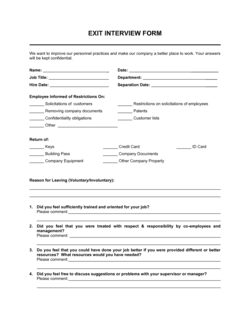
Reviewing why employees are leaving after the factExit Interview Form
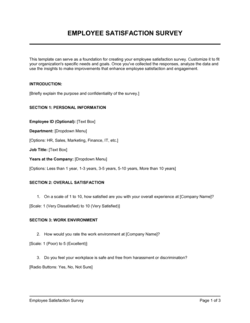
Measuring current employee satisfaction levelsEmployee Satisfaction Survey
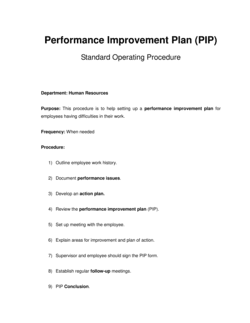
Formalizing a performance improvement plan for an at-risk employeePerformance Improvement Plan
Documenting total compensation to improve offer transparencyEmployee Total Compensation Statement
Planning career development paths to reduce ambiguity-driven exitsCareer Development Plan
Recognizing high performers before they explore other optionsEmployee Recognition Program Template
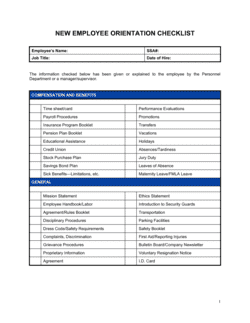
Onboarding new hires in a way that reduces 90-day turnoverNew Employee Onboarding Checklist

Common mistakes to avoid

❌ Treating the checklist as a one-time exercise

Why it matters: Retention drivers shift as the company grows, the labor market changes, and employee demographics evolve. A checklist completed once and filed away stops being accurate within a quarter.

Fix: Schedule a mandatory quarterly review with a named owner. Tie it to your turnover rate report so the data and the action list are reviewed together.

❌ Assigning the checklist to HR without involving direct managers

Why it matters: Research consistently shows that employees leave managers more often than they leave companies. HR can create programs, but managers determine whether those programs actually reach their teams.

Fix: Distribute a manager-specific version of the checklist with items they can act on directly β€” one-on-one frequency, development conversations, and recognition habits.

❌ Skipping the compensation benchmarking section

Why it matters: Culture and growth initiatives have little retention power when salaries are 15–20% below market. Employees who feel underpaid disengage quietly before resigning.

Fix: Run a salary benchmarking exercise using at least two data sources (e.g., Radford and Levels.fyi for tech, or Mercer and LinkedIn Salary for other industries) before finalizing the retention plan.

❌ Listing initiatives without tracking whether employees are aware of them

Why it matters: A tuition-reimbursement benefit no one knows about or a wellness stipend buried in the employee handbook has zero retention value.

Fix: Add a communication step to each retention initiative β€” email, all-hands mention, or manager talking points β€” so employees actually know the benefit exists.

The 9 key fields, explained

Compensation and benefits review

Career development and growth opportunities

Manager effectiveness actions

Recognition and appreciation initiatives

Work-life balance and flexibility options

Onboarding and first-90-day experience

Workplace culture and inclusion actions

Exit interview and offboarding data review

Retention risk assessment and flight-risk tracking

How to fill it out

  1. 1

    Customize the checklist for your organization's size and structure

    Remove sections that don't apply to your headcount or industry, and add any company-specific programs β€” equity vesting, sabbatical policies, or wellness stipends β€” as additional line items.

    πŸ’‘ A 10-person startup and a 500-person company have fundamentally different retention levers. Tailor the checklist before distributing it to managers.

  2. 2

    Assign an owner and a review date to each section

    Write the responsible person's name or role next to each category β€” HR, direct manager, or department head β€” and set a target completion date for each action item.

    πŸ’‘ Unassigned checklist items default to no one's responsibility. Even writing 'HR' vs. 'Maria Chen, HRBP' doubles accountability.

  3. 3

    Check off currently active initiatives

    Go through each item and mark it as active, planned, or not yet started. This gives you a baseline retention inventory before identifying gaps.

    πŸ’‘ Run this step with your management team rather than solo β€” managers often have informal retention practices that HR doesn't know about.

  4. 4

    Prioritize gaps by turnover impact

    Focus first on the categories most correlated with your recent exits. If exit interviews show 'lack of growth opportunity' as the top theme, the career development section outranks a culture event.

    πŸ’‘ Cross-reference this checklist against your last 6 months of exit interview data to surface the highest-ROI gaps first.

  5. 5

    Set specific action deadlines for unchecked items

    For each item you're not yet doing, write a launch date or owner milestone β€” 'launch peer recognition platform by [DATE]' not 'someday.'

    πŸ’‘ Retention initiatives with no date attached have a near-zero completion rate. Even a rough quarter target is better than an open-ended plan.

  6. 6

    Review and update the checklist every quarter

    Schedule a 30-minute HR or leadership review every 90 days to check completion status, remove irrelevant items, and add new initiatives as the business evolves.

    πŸ’‘ Pair the quarterly review with your turnover rate report β€” if the rate is rising despite completed checklist items, the tactics need to change, not the cadence.

Frequently asked questions

What is an employee retention ideas checklist?

An employee retention ideas checklist is a structured list of concrete actions an organization can take to reduce voluntary employee turnover. It groups retention tactics by category β€” compensation, career growth, recognition, flexibility, and culture β€” and gives HR teams and managers a trackable reference for auditing what is already in place and identifying what is missing.

Why is employee retention important for small businesses?

Replacing an employee typically costs between 50% and 200% of their annual salary when you account for recruiting, onboarding, and lost productivity. For small businesses operating with lean teams, a single voluntary exit can disrupt operations for months. Proactive retention programs are almost always cheaper than reactive hiring.

What are the most effective employee retention strategies?

The highest-impact retention levers are competitive total compensation, visible career growth paths, strong direct-manager relationships, and flexible work arrangements. Recognition programs and workplace culture also matter, but they have limited effect when the foundational elements β€” pay, growth, and management quality β€” are not in place first.

How often should an employee retention checklist be reviewed?

A quarterly review is the standard for active retention management, aligned to turnover rate reporting. Annual reviews are the minimum acceptable cadence. Reviews should be triggered immediately after any month where voluntary turnover exceeds your target rate, or after a cluster of exits in a single team.

What is a stay interview and how does it differ from an exit interview?

A stay interview is a structured conversation with a current employee asking what keeps them at the company and what might eventually cause them to leave. An exit interview happens after an employee has resigned. Stay interviews are far more actionable because they surface retention risks while there is still time to address them. This checklist includes stay interview prompts as a standard retention practice.

Can managers use this checklist independently, or is it only for HR?

Managers can and should use a version of this checklist independently. Many of the highest-impact retention behaviors β€” one-on-one frequency, development conversations, and day-to-day recognition β€” are entirely within a manager's control and do not require HR involvement. The checklist is most effective when both HR and direct managers use it simultaneously with their respective items.

How does a retention checklist relate to an employee satisfaction survey?

An employee satisfaction survey tells you how employees feel right now. A retention checklist tells you what actions to take in response to those feelings. The two documents work together: survey results identify which checklist categories to prioritize, and checklist completion rates measure whether the organization is following through on its commitments.

What turnover rate should trigger a formal retention review?

Industry averages vary significantly β€” retail and food service routinely see 50–100% annual turnover, while professional services targets 10–15%. A general rule of thumb: if your voluntary turnover rate in any 90-day period exceeds your trailing 12-month average by more than 20%, treat it as a trigger for an immediate retention audit using this checklist.

How this compares to alternatives

vs Exit Interview Form

An exit interview form captures the reasons an employee is already leaving. A retention checklist is a proactive tool used before resignations occur to address the conditions that drive departures. Exit interviews diagnose past failures; the retention checklist prevents future ones. Both should be used together β€” exit data feeds checklist prioritization.

vs Employee Satisfaction Survey

An employee satisfaction survey measures how employees currently feel about their work, team, and organization. A retention checklist is an action plan for responding to those feelings. The survey surfaces the problem; the checklist tracks the response. Use satisfaction survey results to decide which checklist categories to address first.

vs Performance Improvement Plan

A performance improvement plan addresses an employee who is underperforming and at risk of involuntary termination. A retention checklist targets high-performing and engaged employees at risk of voluntary departure. The two documents address opposite ends of the talent risk spectrum and should never be confused or used interchangeably.

vs New Employee Onboarding Checklist

A new employee onboarding checklist ensures a structured first-week and first-month experience. A retention checklist covers the full employee lifecycle β€” from 90-day integration through long-term engagement. Onboarding is the first chapter of retention, but voluntary exits peak at both the 90-day and 18-month marks, requiring a sustained retention strategy beyond onboarding alone.

Industry-specific considerations

Technology / SaaS

Equity refresh schedules, remote-work flexibility, and continuous learning budgets are the primary retention differentiators in competitive tech talent markets.

Healthcare

Burnout prevention, scheduling flexibility, and continuing education reimbursement are critical retention levers for clinical and administrative staff.

Retail and Hospitality

Schedule predictability, hourly pay benchmarking, and fast-path promotion visibility drive retention in high-turnover hourly roles.

Professional Services

Utilization targets, client variety, mentorship access, and partnership-track transparency are the primary factors in retaining consultants, accountants, and lawyers.

Template vs pro β€” what fits your needs?

PathBest forCostTime
Use the templateHR managers, small business owners, and team leads who need an immediate, structured retention auditFree1–2 hours to customize and complete
Template + professional reviewOrganizations with 50+ employees or persistent turnover problems who want an HR consultant to interpret data and prioritize actions$500–$2,000 for an HR consultant review session1–2 weeks
Custom draftedEnterprise HR teams building a fully integrated retention program with engagement software, manager scorecards, and quarterly reporting dashboards$5,000–$25,000+ for a full retention program design engagement4–12 weeks

Glossary

Voluntary Turnover
Employees who choose to leave on their own initiative, as distinct from those who are laid off or terminated.
Turnover Rate
The percentage of employees who leave an organization in a given period, calculated as separations divided by average headcount.
Employee Engagement
The degree to which employees feel motivated, committed, and emotionally invested in their work and the organization's goals.
Stay Interview
A one-on-one conversation between a manager and a current employee designed to identify what keeps them at the company and what might cause them to leave.
Flight Risk
An employee identified as likely to resign in the near term, often based on engagement scores, tenure patterns, or behavioral signals.
Total Compensation
The full value of an employee's package β€” base salary, bonus, benefits, equity, PTO, and non-cash perks β€” rather than base pay alone.
Psychological Safety
A team climate in which employees feel safe to speak up, ask questions, make mistakes, and share ideas without fear of punishment or humiliation.
Career Pathing
A structured process that maps potential promotion or lateral-move trajectories for an employee within the organization.
Recognition Program
A formal or informal system for acknowledging employee contributions β€” peer nominations, manager shout-outs, spot bonuses, or annual awards.
Retention Risk Assessment
A periodic review that scores each employee or role by likelihood of departure and business impact of that departure, used to prioritize retention investment.

Part of your Business Operating System

This document is one of 3,000+ business & legal templates included in Business in a Box.

  • Fill-in-the-blanks β€” ready in minutes
  • 100% customizable Word document
  • Compatible with all office suites
  • Export to PDF and share electronically

Create your document in 3 simple steps.

From template to signed document β€” all inside one Business Operating System.
1
Download or open template

Access over 3,000+ business and legal templates for any business task, project or initiative.

2
Edit and fill in the blanks with AI

Customize your ready-made business document template and save it in the cloud.

3
Save, Share, Send, Sign

Share your files and folders with your team. Create a space of seamless collaboration.

Save time, save money, and create top-quality documents.

β˜…β˜…β˜…β˜…β˜…

"Fantastic value! I'm not sure how I'd do without it. It's worth its weight in gold and paid back for itself many times."

Managing Director Β· Mall Farm
Robert Whalley
Managing Director, Mall Farm Proprietary Limited
β˜…β˜…β˜…β˜…β˜…

"I have been using Business in a Box for years. It has been the most useful source of templates I have encountered. I recommend it to anyone."

Business Owner Β· 4+ years
Dr Michael John Freestone
Business Owner
β˜…β˜…β˜…β˜…β˜…

"It has been a life saver so many times I have lost count. Business in a Box has saved me so much time and as you know, time is money."

Owner Β· Upstate Web
David G. Moore Jr.
Owner, Upstate Web

Run your business with a system β€” not scattered tools

Stop downloading documents. Start operating with clarity. Business in a Box gives you the Business Operating System used by over 250,000 companies worldwide to structure, run, and grow their business.

Start freeΒ Β·Β No credit card required