Notice of COD Terms Template

Free Word download β€’ Edit online β€’ Save & share with Drive β€’ Export to PDF

1 pageβ€’15–25 min to fillβ€’Difficulty: Standard
Learn more ↓
FreeNotice of COD Terms Template

At a glance

What it is
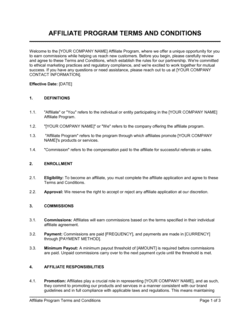
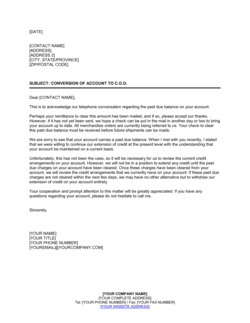
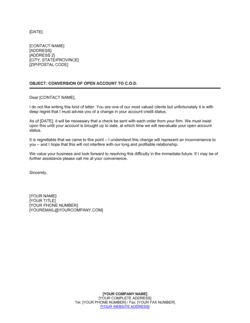
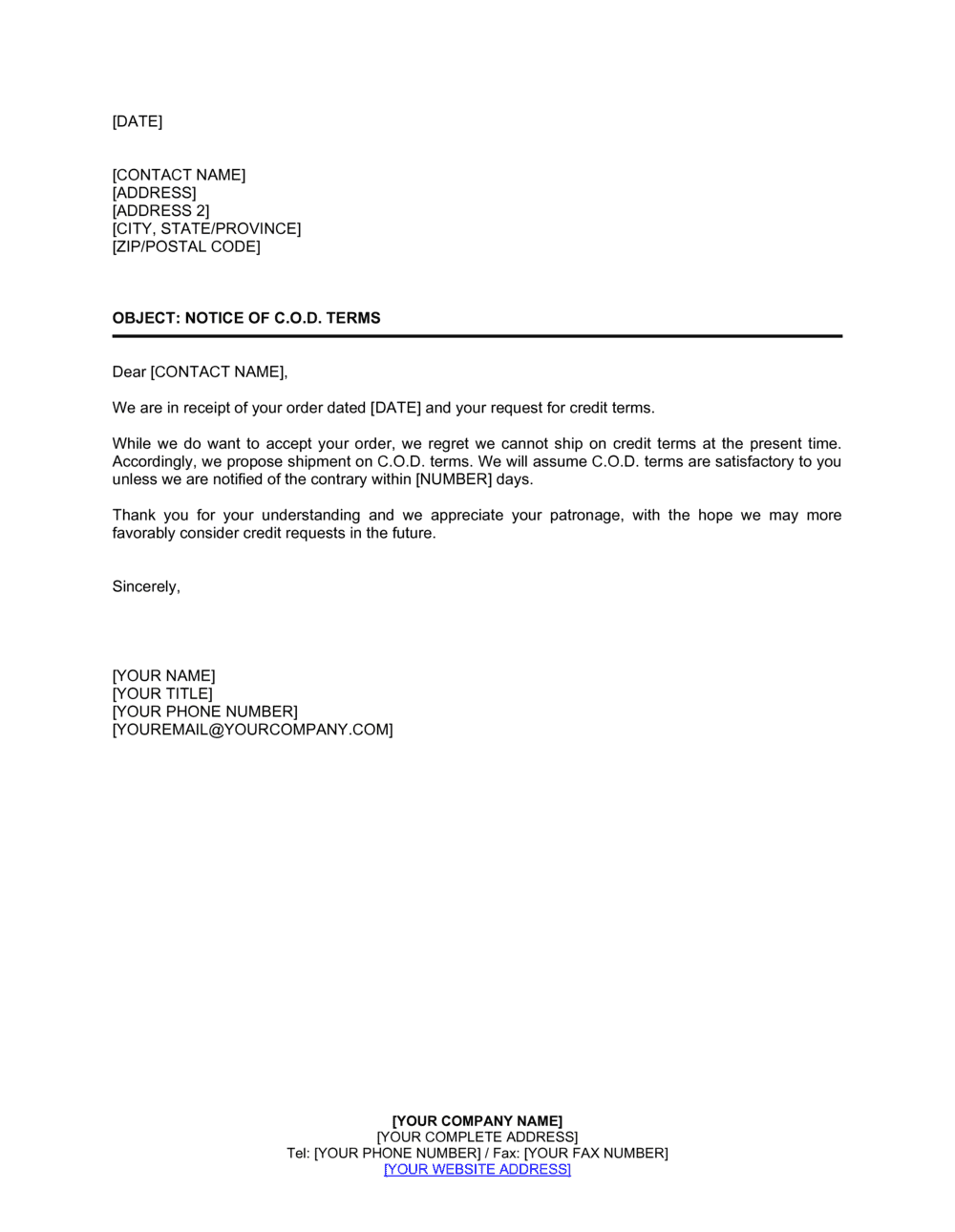
A Notice of COD Terms is a formal business letter a supplier or vendor sends to a customer to communicate that future orders must be paid cash-on-delivery rather than on credit. This free Word download gives you a ready-to-edit template you can personalize with your company details, the effective date, and any accepted payment methods, then export as PDF and deliver in minutes.
When you need it
Use it when a customer has exceeded their credit limit, accumulated overdue balances, or when your company policy requires COD terms for new or high-risk accounts. It is also appropriate when a formerly credit-approved customer's financial position has deteriorated and you need to document the change in writing.
What's inside
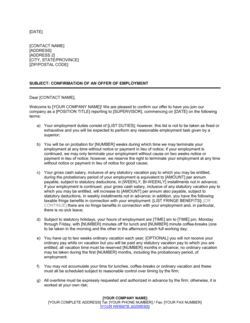
Sender and recipient identification, a clear statement of the COD requirement and its effective date, accepted payment methods, instructions for placing future orders, and a professional closing that preserves the business relationship while leaving no ambiguity about the new terms.

What is a Notice of COD Terms?

A Notice of COD Terms is a formal business letter a supplier sends to a customer to communicate that future orders must be paid cash on delivery β€” meaning payment is required at the time goods are received, before possession is transferred. It replaces previously extended trade credit for that account, effective on a specific date stated in the letter. The notice also typically requests settlement of any existing overdue balance and provides clear instructions on accepted payment methods and how to place future orders under the new arrangement.

Why You Need This Document

Extending trade credit without a clear mechanism for withdrawing it when payment behavior deteriorates is one of the most common causes of uncollected receivables in small and mid-sized businesses. Without a written Notice of COD Terms, customers can continue placing orders on credit indefinitely while their overdue balance grows β€” and your legal position weakens with each new shipment. A properly dated and delivered notice creates a documented record of the policy change, establishes the exact date from which COD terms apply, and removes any ambiguity that a customer might exploit in a dispute. It also signals a clear, professional escalation path: if the customer continues ordering without paying at delivery, you have written evidence supporting a credit hold, collections action, or supply suspension. This template gives you a professionally structured letter you can complete in under 15 minutes, send the same day, and file as part of the customer's account record.

Which variant fits your situation?

If your situation is…Use this template
Switching an existing credit customer to COD due to late paymentsNotice of COD Terms
Formally suspending credit and demanding payment of outstanding balanceCredit Hold Notice
Notifying a customer that their credit limit has been reducedCredit Limit Reduction Letter
Demanding payment on a past-due invoice before resuming supplyPast Due Invoice Notice
Offering revised payment terms to a customer in financial difficultyPayment Plan Agreement
Terminating the supply relationship due to non-paymentNotice of Account Termination
Confirming restored credit terms after a COD periodCredit Terms Reinstatement Letter

Common mistakes to avoid

❌ No specific effective date for COD terms

Why it matters: Without a date, the customer can argue that COD terms have not yet formally begun and continue placing orders expecting credit. This creates delivery disputes and delays collection.

Fix: Always include a specific calendar date β€” e.g., 'effective June 15, 2026' β€” and confirm it is far enough in advance for the customer to arrange payment logistics.
❌ Conflating the outstanding balance with the new COD requirement

Why it matters: When these two issues are mixed, customers become confused about whether paying the overdue balance will restore credit terms, which may not be your intention.

Fix: Address the overdue balance in its own clause with its own due date, and state separately and clearly that COD terms apply to all future orders regardless of the balance resolution.

❌ Omitting the accepted payment methods

Why it matters: COD means different things to different suppliers. If the customer arrives at delivery with a business check and you require certified funds, the delivery cannot be completed and both parties waste time and money.

Fix: List every accepted form of payment explicitly, including any advance payment confirmation requirements for wire transfers.

❌ Sending the letter without a named signatory and contact

Why it matters: A letter signed by 'Accounts Receivable Department' gives the customer no one to call, reducing the chance of a quick resolution and making the letter feel like an automated form rather than a business decision.

Fix: Include a named individual with a title, direct phone number, and email address so the customer can respond immediately.

The 9 key clauses, explained

Sender and recipient identification

In plain language: Opens the letter by identifying your company and the customer, including full mailing addresses and the date of the notice.

Sample language
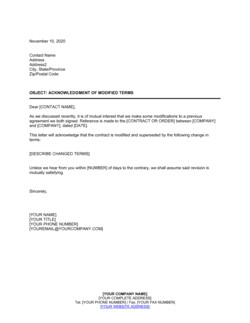
[YOUR COMPANY NAME] | [ADDRESS] | [CITY, STATE, ZIP] | [DATE] Attn: [CONTACT NAME], [TITLE] [CUSTOMER COMPANY NAME] | [ADDRESS]

Common mistake: Addressing the letter to a general inbox or department rather than a named accounts-payable contact. A misdirected notice may never reach the person with authority to act on it.

Subject line

In plain language: A brief, unambiguous heading that tells the reader exactly what the letter is about before they read a single sentence.

Sample language
Re: Change in Payment Terms β€” Cash on Delivery Effective [DATE]

Common mistake: Using a vague subject line like 'Account Update.' A specific subject line ensures the letter is routed to the right person and is harder to overlook or dismiss.

Opening statement of the COD requirement

In plain language: States clearly and professionally that the customer's account is being moved to COD terms, and gives the specific effective date.

Sample language
Please be advised that effective [EFFECTIVE DATE], all orders from [CUSTOMER COMPANY NAME] must be paid cash on delivery. Credit terms previously extended to your account are suspended as of that date.

Common mistake: Burying the COD requirement in the middle of a paragraph. The requirement must be stated in the first or second sentence so there is no confusion about the letter's purpose.

Reason for the change (brief)

In plain language: Provides a concise, professional explanation for the change β€” typically referencing the outstanding balance or account status β€” without unnecessary detail or accusatory language.

Sample language
This change reflects the current status of your account, which carries an outstanding balance of $[AMOUNT] as of [DATE], including [NUMBER] invoice(s) past due by more than [DAYS] days.

Common mistake: Including an overly detailed recitation of every missed payment. A single factual statement of the outstanding balance is sufficient and reduces the risk of a dispute over specifics.

Accepted payment methods

In plain language: Lists exactly which forms of payment will be accepted at the time of delivery, removing any ambiguity for the customer's procurement team.

Sample language
Accepted forms of payment upon delivery include: certified check, money order, bank wire transfer confirmed prior to dispatch, or [PAYMENT PLATFORM] payment link. Personal or business checks will not be accepted.

Common mistake: Omitting this clause entirely and assuming the customer knows what COD means in your context. Different suppliers define acceptable COD payment methods differently β€” spelling it out prevents delivery disputes.

Instructions for placing future orders

In plain language: Explains how the customer should proceed when placing their next order under the new terms, including any advance notice required for payment confirmation.

Sample language
To place an order under COD terms, please contact your account representative at [CONTACT INFO] at least [X] business days before your required delivery date. For wire transfers, payment must be confirmed by [YOUR BANK] before dispatch.

Common mistake: Failing to provide a clear process for the next order. Without this, customers may simply stop ordering rather than adapt, resulting in lost revenue.

Outstanding balance reminder and payment request

In plain language: References any existing unpaid balance and requests payment by a specific date, separate from the COD requirement going forward.

Sample language
We respectfully request that the outstanding balance of $[AMOUNT] be remitted no later than [DUE DATE]. Please reference invoice number(s) [INVOICE NUMBERS] when submitting payment.

Common mistake: Conflating the outstanding balance with the new COD requirement. These are two separate issues β€” mixing them creates confusion about whether COD is a penalty for the overdue balance or a permanent policy change.

Offer to discuss and relationship preservation

In plain language: Invites the customer to contact you to discuss their account, signals that the relationship remains important, and provides direct contact information.

Sample language
We value our relationship with [CUSTOMER COMPANY NAME] and are committed to continuing to serve you. If you have questions about your account or wish to discuss these terms, please contact [NAME] at [PHONE / EMAIL].

Common mistake: Omitting this clause and ending the letter on a purely transactional note. A professional closing reduces the risk of the customer escalating the dispute or taking their business elsewhere without a conversation.

Professional closing and signature block

In plain language: Closes the letter with a standard business sign-off, printed name, title, and company name.

Sample language
Sincerely, [AUTHORIZED SIGNATORY NAME] [TITLE] [YOUR COMPANY NAME] [PHONE] | [EMAIL]

Common mistake: Signing from a generic department name rather than a named individual with a title. A named signatory gives the letter authority and provides the customer with a real point of contact.

How to fill it out

  1. 1

    Enter your company and customer details

    Fill in your company's full legal name, address, and contact information in the header. Add the customer's legal entity name, billing address, and the name of their accounts-payable or procurement contact.

    πŸ’‘ Confirm the customer's legal entity name against their original account application β€” mismatches can complicate enforcement if the letter becomes evidence in a collections matter.

  2. 2

    Set the effective date

    Choose a specific calendar date on which the COD requirement takes effect. Give the customer at least 5–10 business days' notice to allow them time to arrange payment logistics before their next order.

    πŸ’‘ If the customer has a standing order or recurring delivery, align the effective date to fall before the next scheduled dispatch so there is no ambiguity about which orders are affected.

  3. 3

    State the reason briefly and factually

    Include the outstanding balance amount and the number of days overdue. Use neutral, factual language β€” avoid accusatory phrasing that could damage the relationship or be used against you in a dispute.

    πŸ’‘ Pull the balance from your accounting system on the day you draft the letter so the figure is current and defensible.

  4. 4

    List the accepted payment methods

    Specify exactly which payment forms you will accept at delivery β€” certified check, money order, bank wire, or a payment portal link. Explicitly exclude any forms you will not accept, such as personal checks.

    πŸ’‘ If you use a payment platform like Stripe or PayPal, include a direct payment link in this section to reduce friction and speed up collection.

  5. 5

    Add the outstanding balance payment request

    State the total overdue amount, list the relevant invoice numbers, and set a firm due date for settling the existing balance β€” separate from the COD requirement on future orders.

    πŸ’‘ Set the due date for the existing balance 10–14 days from the letter date, giving the customer enough time to process payment through their AP system.

  6. 6

    Include your contact details and close professionally

    Add a direct contact name, phone number, and email address for questions. Close with a standard business sign-off and include the signatory's full name and title.

    πŸ’‘ Use the credit manager or account manager as the named contact rather than a general accounts-receivable inbox β€” personal contact details get faster responses.

Frequently asked questions

What is a Notice of COD Terms?

A Notice of COD Terms is a formal business letter a supplier sends to a customer to inform them that future orders must be paid cash on delivery rather than on previously extended credit. It states the effective date, explains the reason briefly, lists accepted payment methods, and requests settlement of any existing overdue balance. It creates a written record of the policy change and gives the customer clear instructions for continuing to do business under the new terms.

When should I send a Notice of COD Terms?

Send it when a customer has accumulated overdue invoices, exceeded their credit limit, or when your credit review process flags a material deterioration in their payment behavior or financial position. It is also appropriate for new accounts that do not yet qualify for trade credit, or as a precautionary step before escalating to a formal collections process. Sending it proactively β€” before the situation worsens β€” gives you a documented paper trail and preserves the business relationship.

Does a Notice of COD Terms need to be signed by both parties?

No. A Notice of COD Terms is a unilateral supplier communication, not a contract requiring counter-signature. It informs the customer of a change in your payment policy. The customer's continued placement of orders after the effective date constitutes acceptance of the new terms in most commercial contexts. That said, it is best practice for the notice to be signed by a named individual on the supplier side to give it authority.

What payment methods should I specify in a COD notice?

Common COD payment methods include certified check, cashier's check, money order, bank wire transfer confirmed before dispatch, and online payment platform links (Stripe, PayPal, or similar). Clearly exclude any forms you will not accept β€” most suppliers exclude personal and business checks under COD terms because they carry non-payment risk. Specifying payment methods upfront prevents delivery disputes and delays.

Can I send a Notice of COD Terms via email?

Yes. Email delivery is generally acceptable for business notices and creates a time-stamped delivery record. For customers with significant outstanding balances or where the relationship is contentious, consider sending both an email and a physical letter via certified mail to establish proof of delivery. Always CC your account manager and retain a copy in the customer's file.

Will switching a customer to COD damage the business relationship?

Not necessarily. A professionally written notice that explains the reason factually, offers a clear path for continued ordering, and invites the customer to discuss their account minimizes relationship damage. Many customers accept COD terms as a reasonable response to late payments. The letter's tone matters: matter-of-fact and solution-oriented language is far less likely to provoke a negative reaction than punitive or accusatory phrasing.

What is the difference between COD terms and payment in advance?

COD requires payment at the moment of delivery, before the goods change hands. Payment in advance (PIA) requires the buyer to pay before the goods are even dispatched. COD is less restrictive than PIA because the customer can at least inspect the delivery before paying, but it still eliminates the supplier's credit exposure on new orders. PIA is typically reserved for customers with a history of refusing deliveries or disputing invoices after receipt.

How much notice should I give before COD terms take effect?

Five to ten business days is standard for most B2B supply relationships. This gives the customer enough time to adjust their procurement process, arrange certified funds, and notify their accounts-payable team. Shorter notice periods β€” fewer than three business days β€” can be seen as punitive and may trigger a dispute or order cancellation. If the customer has a standing delivery schedule, align the effective date with their next order cycle where possible.

How this compares to alternatives

vs Credit Hold Notice

A Credit Hold Notice suspends a customer's ability to place any new orders until an overdue balance is resolved β€” it stops supply entirely. A Notice of COD Terms allows orders to continue but changes the payment method. Use a COD notice when you want to preserve the commercial relationship; use a credit hold when you need to stop shipments immediately.

vs Past Due Invoice Reminder

A past due invoice reminder requests payment on a specific overdue invoice β€” it is reactive and focused on a single debt. A Notice of COD Terms is forward-looking and changes the payment structure for all future orders. Most suppliers send invoice reminders first; the COD notice follows if payment is not received.

vs Demand Letter

A demand letter is a formal legal notice demanding payment of a specific amount within a set deadline, often the final step before legal action. A Notice of COD Terms is a commercial communication that preserves the supply relationship and is not a legal threat. The COD notice is appropriate earlier in the collections process; the demand letter comes when payment has been refused or ignored.

vs Payment Plan Agreement

A Payment Plan Agreement offers a structured schedule for a customer to repay an existing overdue balance in installments β€” it is a negotiated resolution document. A Notice of COD Terms is a unilateral change to ongoing payment policy. The two documents address different problems: the COD notice governs future orders, while a payment plan governs repayment of the existing debt.

Industry-specific considerations

Wholesale Distribution

Distributors handling high-volume, low-margin orders use COD notices to protect cash flow when a retail buyer accumulates overdue balances across multiple delivery runs.

Manufacturing

Manufacturers with long production lead times use COD notices to ensure payment is secured before dispatching custom or made-to-order goods that cannot be easily resold.

Food and Beverage

Perishable goods suppliers frequently switch accounts to COD when payment issues arise, since unsold stock cannot be recovered and write-offs directly erode thin margins.

Construction and Building Materials

Suppliers of lumber, fixtures, and materials use COD notices for contractors with inconsistent payment histories, particularly on projects where lien rights may be limited.

Template vs pro β€” what fits your needs?

PathBest forCostTime
Use the templateAny supplier or business owner needing to notify a customer of COD terms quickly and professionallyFree10–15 minutes
Template + professional reviewHigh-value accounts or situations where the overdue balance may lead to collections or legal escalation$100–$300 (brief review by a credit manager or collections attorney)1–2 hours
Custom draftedComplex commercial relationships involving contracts with specific payment term clauses or regulated industries$300–$8001–3 days

Glossary

COD (Cash on Delivery)
A payment arrangement requiring the buyer to pay for goods at the time of delivery, before taking possession.
Credit Terms
Agreed conditions under which a supplier extends trade credit, specifying the payment period β€” e.g., Net 30 or Net 60 from invoice date.
Effective Date
The specific calendar date from which the new COD requirement applies to the customer's orders.
Trade Credit
A supplier's agreement to allow a buyer to receive goods or services now and pay later, typically within 30 to 90 days.
Overdue Balance
An unpaid invoice amount that has passed its agreed due date without receipt of payment.
Credit Hold
A temporary suspension of a customer's ability to place new orders on credit, usually triggered by overdue balances or a deterioration in creditworthiness.
Accounts Receivable
Money owed to a business by its customers for goods or services already delivered but not yet paid for.
Payment in Advance (PIA)
A stricter payment condition than COD, requiring the buyer to pay before goods are dispatched rather than upon delivery.
Net Terms
Credit terms specifying the number of days β€” typically 15, 30, or 60 β€” within which a buyer must pay an invoice in full.
Certified Funds
Payment forms guaranteed by a financial institution β€” such as a cashier's check, money order, or bank transfer β€” often required under COD arrangements.

Part of your Business Operating System

This document is one of 3,000+ business & legal templates included in Business in a Box.

  • Fill-in-the-blanks β€” ready in minutes
  • 100% customizable Word document
  • Compatible with all office suites
  • Export to PDF and share electronically

Create your document in 3 simple steps.

From template to signed document β€” all inside one Business Operating System.
1
Download or open template

Access over 3,000+ business and legal templates for any business task, project or initiative.

2
Edit and fill in the blanks with AI

Customize your ready-made business document template and save it in the cloud.

3
Save, Share, Send, Sign

Share your files and folders with your team. Create a space of seamless collaboration.

Save time, save money, and create top-quality documents.

β˜…β˜…β˜…β˜…β˜…

"Fantastic value! I'm not sure how I'd do without it. It's worth its weight in gold and paid back for itself many times."

Managing Director Β· Mall Farm
Robert Whalley
Managing Director, Mall Farm Proprietary Limited
β˜…β˜…β˜…β˜…β˜…

"I have been using Business in a Box for years. It has been the most useful source of templates I have encountered. I recommend it to anyone."

Business Owner Β· 4+ years
Dr Michael John Freestone
Business Owner
β˜…β˜…β˜…β˜…β˜…

"It has been a life saver so many times I have lost count. Business in a Box has saved me so much time and as you know, time is money."

Owner Β· Upstate Web
David G. Moore Jr.
Owner, Upstate Web

Run your business with a system β€” not scattered tools

Stop downloading documents. Start operating with clarity. Business in a Box gives you the Business Operating System used by over 250,000 companies worldwide to structure, run, and grow their business.

Free Forever PlanΒ Β·Β No credit card required