1
Complete the company overview and list all permits
Enter your legal entity name, incorporation state, facility address, and a complete list of permits held or in progress. Note the expected grant date for any pending licenses.
💡 Lenders familiar with the scrap industry will verify permit status independently — incomplete listings slow underwriting and signal preparation gaps.
2
Research and localize the commodity market section
Pull current AMM or LME price data for your primary metals, identify the top three regional mills or buyers, and document local scrap supply density using recycling industry association data.
💡 A two-sentence note on regional price basis differentials — e.g., 'AMM Chicago shredded minus $8/ton for our market' — demonstrates local market knowledge that national plans lack.
3
Map your sourcing channels and sign letters of intent
List each supply channel with a target monthly tonnage and the specific businesses or sectors you will approach. Attach any letters of intent or signed supply agreements as an appendix.
💡 Even one signed letter of intent from an industrial account converts a plan from theoretical to credible in a lender's eyes.
4
Detail equipment, layout, and throughput capacity
List every major piece of equipment with make, model, capacity rating, purchase price, and expected maintenance cost. Include a simple facility layout diagram if possible.
💡 Get an equipment dealer quote before finalizing numbers — used shredder and baler prices vary 40–60% depending on age and condition, and lenders will compare your figures against market rates.
5
Identify downstream buyers and model your margin
Name at least two confirmed or target buyers for each metal category. For each, document the pricing formula (index minus basis, or spot) and your target net margin per ton.
💡 Include a simple price sensitivity table showing margin at current prices, prices 15% lower, and prices 15% higher — this is the first thing an experienced lender will ask for.
6
Build the financial model from per-ton unit economics
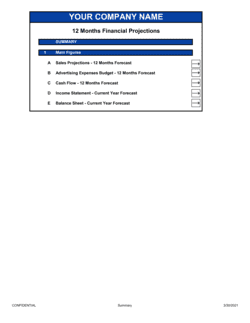
Start with monthly volume (tons purchased), multiply by buy price to get purchasing cost, multiply by sell price to get revenue, and subtract operating expenses to reach net income. Then build cash flow from the timing differences between buying and selling.
💡 Model a 45-day average collection cycle on receivables and a 15-day payables cycle on supplier payments — this cash gap is where most scrap businesses hit a liquidity wall.
7
Itemize startup costs and specify the funding ask
Break capital requirements into equipment, facility, permits, working capital, and a 90-day operating reserve. Specify the funding instrument for each bucket — SBA 7(a), equipment financing, equity injection, or line of credit.
💡 SBA lenders for scrap businesses typically require a 10–20% equity injection — document your personal or investor equity contribution explicitly.
8
Write the executive summary last
Compress the plan into 1–2 pages: problem, solution, market size, sourcing model, competitive edge, team credentials, financial highlights, and funding ask.
💡 Lead with the single most compelling traction metric — a signed industrial supply contract, an existing customer, or a site lease — rather than a generic mission statement.