1
Complete the organizational overview and mission
Enter the legal name, entity type, founding year, service area, and a one-sentence mission statement that names your target population and housing outcome. Confirm the governing structure and board composition.
💡 Lock in the mission statement before drafting any other section — every subsequent claim about target population and AMI levels should trace back to it.
2
Document the community needs with local data
Pull cost-burden statistics from the most recent American Community Survey, housing authority waitlist figures from local PHA annual reports, and vacancy rates from CoStar or HUD's CHAS data tool. Use county or MSA-level figures, not national averages.
💡 A side-by-side table comparing local affordable housing supply to income-qualified demand is the most concise way to make the needs case in two pages or less.
3
Build the project pipeline with stage and timeline
List each active and planned project with address or site description, unit count, AMI targeting, development type, site-control status, and expected construction-start and completion dates.
💡 Color-code or label each project by stage (site control, pre-development, under construction, complete) so reviewers can immediately assess pipeline maturity.
4
Construct the capital stack for each project
For each pipeline project, itemize every funding source by dollar amount, percentage of total development cost, and commitment status (committed, applied, or anticipated). Calculate a per-unit cost and compare it to comparable projects in the market.
💡 If any source is 'anticipated,' include the application timeline and a contingency source. Gaps in the capital stack are the single most common reason development plans are rejected.
5
Describe the operations and compliance model
Specify whether property management is in-house or third-party, the management fee structure, how LIHTC annual certifications are conducted, and what resident services (if any) are provided on-site.
💡 If you use a third-party manager, name the company and include their unit count under management — it signals to reviewers that you have vetted the relationship.
6
Profile the management team with track records
Write a focused paragraph for each key staff member that leads with the most relevant housing development achievement — dollar volume financed, units completed, years of LIHTC compliance — not a career chronology.
💡 Include a staffing chart showing reporting lines. For organizations under five years old, a board member with deep housing finance experience can anchor the credibility section.
7
Build the organizational financial projections
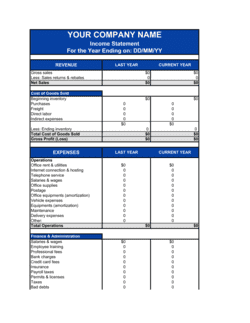
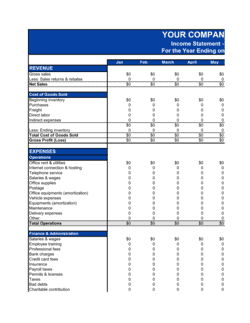
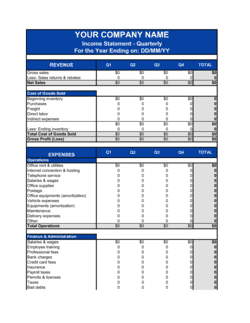
Model organizational revenue (developer fees, management fees, grants, earned income) and expenses for three years, starting from your confirmed pipeline and known grant awards. Show cash reserves at year-end for each year.
💡 Run a scenario in which your largest anticipated developer fee is delayed by 12 months and confirm the organization remains solvent. Include that scenario as a footnote — it shows financial discipline.
8
Write the executive summary last
Summarize the problem (housing gap), your solution (project pipeline and strategy), your capacity (team and track record), and your ask (funding amount and use) in no more than two pages. Pull figures directly from the completed sections.
💡 State the total units in your pipeline, the total development cost, and the specific funding gap you are addressing in the first paragraph. Reviewers make a first read-through decision in under three minutes.