Expiration of Service Contract Template

Free Word download β€’ Edit online β€’ Save & share with Drive β€’ Export to PDF

1 pageβ€’20–30 min to fillβ€’Difficulty: Standardβ€’Signature requiredβ€’Legal review recommended
Learn more ↓
FreeExpiration of Service Contract Template

At a glance

What it is
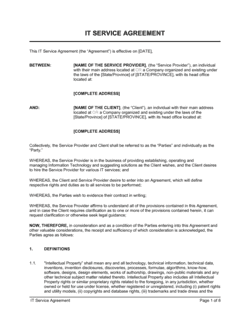
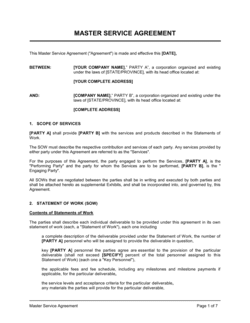
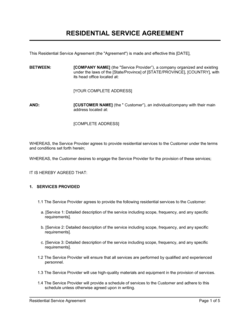
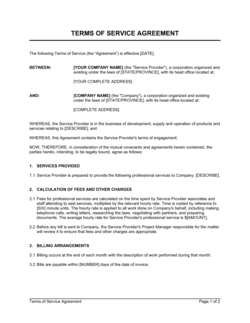
An Expiration of Service Contract is a formal legal document that acknowledges the natural end of a service agreement upon its scheduled expiry date. This free Word download confirms that both parties have fulfilled their obligations, settles any outstanding deliverables or payments, and records the conditions under which the relationship closes β€” protecting both sides from post-expiry disputes.
When you need it
Use it when a time-limited service agreement reaches its contracted end date and neither party intends to renew. It is also appropriate when you want to formally document the close-out of a project-based engagement, a retainer, or a vendor contract that has run its full term.
What's inside
Party identification and original contract reference, confirmation of expiration date, statement of final deliverables and outstanding obligations, payment settlement terms, return or destruction of confidential materials and IP, surviving post-expiry clauses, and mutual release language.

What is an Expiration of Service Contract?

An Expiration of Service Contract is a formal legal document that records the planned close of a service agreement on its contracted end date. Where a termination letter ends a relationship early β€” often due to fault β€” an expiration agreement documents a clean, mutual conclusion of a completed engagement. It confirms that both parties have fulfilled their core obligations, settles any remaining payments or deliverables, governs the return or destruction of confidential materials and intellectual property, and identifies which contractual obligations survive after the agreement has ended. In practice, the document functions as a final handshake β€” turning an implicit contract end into an explicit, signed record that protects both sides.

Why You Need This Document

A service contract that expires without a formal close-out document leaves both parties in a legally grey zone. Outstanding invoices become harder to collect once the engagement is over and no written acknowledgment exists. Confidential information exchanged during the project may continue to circulate without an enforceable return deadline. IP ownership β€” especially for custom-built software, creative work, or proprietary processes β€” can be disputed months after the project ends if there is no timestamped assignment record. And if either party later discovers an unresolved claim, the absence of a mutual release means that claim can be pursued in full. Using this template closes all four of those gaps in 30 minutes: it creates a signed, dated record of completion, locks in payment timelines, triggers the return of sensitive data, and β€” once all obligations are settled β€” provides both parties with a clean mutual release.

Which variant fits your situation?

If your situation is…Use this template
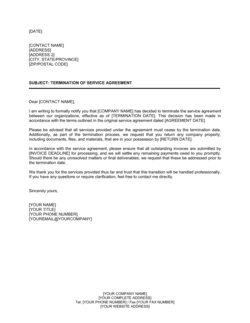
Ending a service contract early due to breach or non-performanceContract Termination Letter
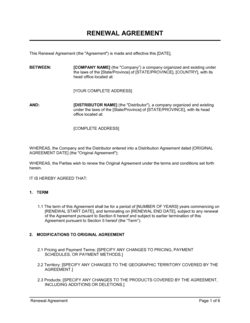
Extending or renewing an existing service agreementContract Renewal Agreement
Notifying the other party that you will not renew an expiring contractNotice of Non-Renewal of Contract
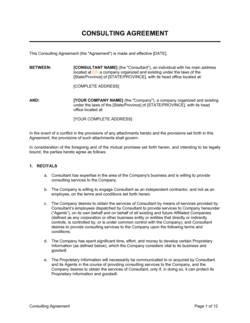
Closing out a consulting engagement with final deliverable sign-offConsulting Agreement
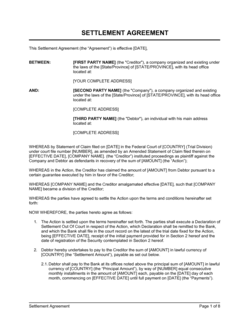
Settling all outstanding balances upon contract expirySettlement Agreement
Documenting the end of a vendor supply relationshipVendor Contract
Confirming mutual release of claims between contracting partiesMutual Release Agreement

Common mistakes to avoid

❌ Signing a mutual release before deliverables are complete

Why it matters: Once a mutual release is signed, both parties forfeit the right to pursue claims under the original contract β€” including the right to demand completion of outstanding work or unpaid invoices.

Fix: Confirm in writing that all deliverables have been accepted and all payments reconciled before either party executes the release clause. Use a staged signing if some items are still pending.

❌ No deadline for return or destruction of confidential data

Why it matters: Without a specific date, the obligation to return or destroy confidential information becomes practically unenforceable, creating ongoing data protection liability β€” particularly under GDPR and PIPEDA.

Fix: State a specific calendar date or number of business days from expiry, and require a written certification of destruction for any digital materials.

❌ Using different governing law than the original contract

Why it matters: If the close-out document specifies a different jurisdiction than the original agreement, courts may need to decide which law applies to post-expiry disputes β€” adding cost and uncertainty.

Fix: Carry forward the governing law clause from the original service agreement verbatim, or insert a cross-reference to it.

❌ Vague or incomplete identification of surviving clauses

Why it matters: Broad language like 'all applicable provisions survive' leaves both parties uncertain about their ongoing obligations and is difficult for a court to apply specifically.

Fix: List each surviving clause by its original section number and title. If you are uncertain which clauses survive, review the original contract's own survival clause first.

❌ Failing to confirm that no renewal option was exercised

Why it matters: If the original contract contained an automatic renewal clause and the close-out document does not address it, the expiration document may be challenged as ineffective.

Fix: Include a sentence explicitly stating that no renewal or extension has been exercised and that the contract expires on the stated date without continuation.

❌ Using informal or trade names instead of legal entity names

Why it matters: Close-out documents that reference brand names rather than registered legal entities can create gaps in the chain of documentation, making it harder to enforce surviving obligations or IP transfers.

Fix: Verify the full registered legal name of each party in the corporate registry before drafting and use that name throughout the document.

The 10 key clauses, explained

Parties and Original Contract Reference

In plain language: Identifies both parties by their full legal names and references the original service agreement β€” including its date and title β€” that is expiring.

Sample language
This Expiration of Service Contract ('Expiration Agreement') is entered into as of [DATE] between [SERVICE PROVIDER LEGAL NAME] ('Provider') and [CLIENT LEGAL NAME] ('Client'), with reference to the Service Agreement dated [ORIGINAL DATE] ('Original Agreement').

Common mistake: Referencing the original contract by a nickname or informal description rather than its exact title and execution date β€” making the close-out document difficult to match to the correct agreement in an audit or dispute.

Confirmation of Expiration Date

In plain language: Formally states the date on which the original service agreement expired or will expire, and confirms that neither party has exercised any renewal option.

Sample language
The parties confirm that the Original Agreement expired by its terms on [EXPIRATION DATE] and that neither party has exercised any right of renewal or extension. The service relationship between the parties ceases as of that date.

Common mistake: Omitting a statement that no renewal option was exercised. If the original contract contained an automatic renewal clause and this is not explicitly addressed, the closing document may be challenged as ambiguous.

Status of Final Deliverables

In plain language: Confirms whether all contracted deliverables have been completed and accepted, or identifies any outstanding items and the deadline for their completion.

Sample language
As of the Expiration Date, Provider has completed and delivered all deliverables required under the Original Agreement, as acknowledged by Client. [OR: The following deliverables remain outstanding and shall be completed by [DATE]: [LIST OF DELIVERABLES].)

Common mistake: Declaring all deliverables complete without a written acceptance from the client. Undocumented verbal acceptance leaves the provider exposed to later claims of incomplete performance.

Settlement of Outstanding Payments

In plain language: States the final invoice amount owed, any credits or offsets, and the date by which full payment must be made.

Sample language
Client agrees to pay Provider the outstanding balance of $[AMOUNT] no later than [PAYMENT DATE], representing [DESCRIPTION OF FINAL INVOICE]. Upon receipt of this payment, all financial obligations of Client to Provider under the Original Agreement shall be fully satisfied.

Common mistake: Failing to itemize what the final payment covers. A lump-sum balance without a breakdown invites disputes over whether certain charges were included or double-counted.

Return or Destruction of Confidential Materials

In plain language: Requires each party to return, delete, or destroy the other's confidential information, proprietary data, and physical or digital materials within a defined timeframe.

Sample language
Within [15] business days of the Expiration Date, each party shall return or certifiably destroy all Confidential Information of the other party in its possession, including electronic copies. Provider shall confirm deletion of Client data by written certification no later than [DATE].

Common mistake: Setting no deadline for the return or destruction of confidential materials. Without a specific timeframe, this obligation becomes unenforceable in practice and creates ongoing data protection liability.

Intellectual Property Assignment Confirmation

In plain language: Confirms that any work product, deliverables, or IP created during the engagement that was contracted to belong to the client is formally assigned and transferred upon expiry.

Sample language
Provider hereby confirms the final assignment to Client of all work product, deliverables, and intellectual property created under the Original Agreement, including but not limited to [DESCRIPTION]. Provider retains no rights in such materials following the Expiration Date.

Common mistake: Assuming the IP assignment in the original contract is self-executing upon expiry. Repeating the assignment in the close-out document creates a clean, timestamped record that reduces ambiguity if ownership is challenged later.

Surviving Obligations

In plain language: Identifies which provisions of the original contract continue to bind the parties after expiry β€” typically confidentiality, non-solicitation, indemnification, and dispute resolution.

Sample language
Notwithstanding expiration of the Original Agreement, the following provisions shall survive and remain in full force: Section [X] (Confidentiality), Section [X] (Non-Solicitation), Section [X] (Indemnification), and Section [X] (Governing Law and Dispute Resolution).

Common mistake: Not listing surviving clauses by section number. Vague language such as 'all applicable provisions survive' creates uncertainty about which obligations persist and is difficult to enforce.

Mutual Release of Claims

In plain language: Each party releases the other from any claims, demands, or causes of action arising out of or related to the original agreement, except for obligations expressly preserved in the expiration document.

Sample language
Subject to fulfillment of the obligations set out in this Expiration Agreement, each party hereby releases the other from any and all claims, demands, and causes of action arising out of the Original Agreement, whether known or unknown, as of the Expiration Date.

Common mistake: Including a mutual release before all deliverables and payments have been confirmed as complete. Signing a release with open obligations extinguishes the right to pursue those items later.

Representations and Warranties at Close

In plain language: Each party confirms that they have the authority to sign the close-out document, that no other claims are pending, and that the statements in the expiration agreement are accurate.

Sample language
Each party represents and warrants that it has the authority to execute this Expiration Agreement, that no claims arising from the Original Agreement are pending or threatened, and that the statements contained herein are true and accurate as of the date of execution.

Common mistake: Omitting a warranty that no pending claims exist. If one party has already initiated a dispute internally and signs without disclosing it, the mutual release may be void for misrepresentation.

Governing Law and Signatures

In plain language: Specifies the jurisdiction whose law governs the expiration agreement and provides signature blocks for authorized representatives of both parties.

Sample language
This Expiration Agreement shall be governed by the laws of [STATE / PROVINCE / COUNTRY]. Signed by the authorized representatives of both parties on the dates indicated below. [SIGNATURE BLOCK β€” PROVIDER] [SIGNATURE BLOCK β€” CLIENT]

Common mistake: Using a different governing law in the close-out document than in the original service agreement. Conflicting jurisdictions create ambiguity about which law applies to disputes arising from the transition period.

How to fill it out

  1. 1

    Identify the parties and locate the original contract

    Enter the full legal names of both the service provider and the client exactly as they appear in the original service agreement. Record the original agreement's title, execution date, and any reference number.

    πŸ’‘ Pull the fully executed copy of the original contract before drafting β€” use the entity names on the signature page, not trading names or abbreviations.

  2. 2

    Confirm the expiration date and renewal status

    Insert the exact expiration date as stated in the original contract. Add a clear statement that no renewal, extension, or automatic rollover has been triggered by either party.

    πŸ’‘ If the original contract contained an automatic renewal clause, check whether timely notice of non-renewal was given β€” and cite that notice by date in this section.

  3. 3

    Document the status of all deliverables

    List every contracted deliverable and mark each as completed and accepted, or flag any outstanding items with a firm completion deadline. Get written client sign-off on accepted deliverables before execution.

    πŸ’‘ Attach a deliverables acceptance checklist as an exhibit β€” it reduces disputes and provides clean documentary evidence of completion.

  4. 4

    Reconcile and state the final payment amount

    Calculate any outstanding invoices, credits, retainer returns, or expense reimbursements. State the net amount owed, which party owes it, and the specific payment deadline.

    πŸ’‘ Include a brief line-item breakdown of the final balance β€” even a one-paragraph summary β€” so neither party can later dispute what was included.

  5. 5

    Set deadlines for IP return and data deletion

    Specify what materials must be returned or destroyed, by which party, and by what date. For digital data, include a written certification requirement confirming deletion.

    πŸ’‘ For SaaS or IT service contracts, specify the data deletion standard (e.g., NIST 800-88) and require a deletion certificate within 10 business days.

  6. 6

    List surviving clauses by section number

    Review the original service agreement and identify every clause that should survive expiry β€” confidentiality, IP ownership, non-solicitation, indemnification, and dispute resolution are the most common. List each by its original section number.

    πŸ’‘ When in doubt, err on the side of listing a clause as surviving rather than omitting it β€” a surviving clause that isn't needed causes no harm; an omitted one that was needed can be costly.

  7. 7

    Execute mutual release only after all obligations are confirmed

    Both parties should sign the mutual release section only after deliverables are accepted, payments are confirmed, and data return deadlines have been set. Do not execute the release while material obligations remain open.

    πŸ’‘ If any obligations remain open at signing, carve them out of the release explicitly β€” 'except for the obligations set out in Sections [X] and [X] of this Agreement.'

  8. 8

    Sign before authorized representatives and retain executed copies

    Have the document executed by an authorized officer or representative of each party. Both parties should retain a fully executed copy with the original signature date.

    πŸ’‘ Use an e-signature platform that timestamps execution β€” this creates an audit trail that is admissible as evidence in most common-law and civil-law jurisdictions.

Frequently asked questions

What is an expiration of service contract?

An expiration of service contract is a formal legal document that records the natural end of a service agreement on its scheduled expiry date. It confirms that both parties have met their obligations, settles any outstanding payments or deliverables, documents the return of confidential materials, and provides a mutual release of remaining claims. Unlike a termination letter, it is not triggered by a breach β€” it marks the planned conclusion of a completed engagement.

Do I need a formal document when a service contract simply expires?

Technically, a fixed-term contract ends automatically on its expiry date without any additional document. However, a formal expiration agreement prevents disputes by creating a written record of what was completed, what was paid, and what obligations survive. It is particularly important for longer engagements, high-value contracts, or any relationship involving confidential information or IP ownership.

What is the difference between contract expiration and contract termination?

Expiration is the natural end of a contract that has run its full agreed term β€” no breach or fault is implied. Termination is an active act by one party to end the contract before its scheduled end date, typically due to breach, non-performance, or a triggering event. The documents used for each are different: an expiration agreement confirms a clean close-out, while a termination letter asserts a right to end the relationship early and may involve claims for damages.

Which clauses typically survive the expiration of a service contract?

The most common surviving clauses are confidentiality, intellectual property ownership, non-solicitation, indemnification, limitation of liability, and governing law and dispute resolution. The original service agreement should contain a survival clause identifying which sections persist β€” the expiration document should repeat or cross-reference those same provisions. If the original contract is silent on survival, a lawyer can advise on what local law implies.

Can a service contract renew automatically at its expiration date?

Yes β€” many service contracts include an automatic renewal clause that extends the agreement for another term unless one party gives advance written notice of non-renewal within a specified window (typically 30–90 days before expiry). If your contract contains this provision and you want the contract to genuinely expire, confirm that timely notice was given and reference that notice in the expiration agreement. Missing the notice window can bind you to another full term.

What happens to intellectual property when a service contract expires?

IP ownership at expiry is governed by the assignment clause in the original service agreement. If the contract assigned deliverables and work product to the client, those rights transfer automatically β€” but documenting a final confirmation in the expiration agreement creates a clean, dated record. If the contract was silent on IP, ownership defaults may vary by jurisdiction and the nature of the work. An IP assignment confirmation clause in the expiration document eliminates this ambiguity.

Does the expiration of a service contract release both parties from all claims?

Only if a mutual release clause is included and signed by both parties. A contract expiring on its end date does not automatically release either party from pre-existing claims β€” for example, a client may still have a claim for defective work delivered before expiry, and the provider may still have a claim for unpaid invoices. The mutual release in the expiration agreement extinguishes these claims as of the signing date, which is why it should only be executed after all open items are resolved.

Is a lawyer required to draft an expiration of service contract?

For straightforward engagements with a clean delivery record, a well-structured template is typically sufficient. Engage a lawyer when the original contract involved significant IP, the services touched regulated data (health, financial, or personal data), the relationship was cross-border, any disputes arose during the engagement, or the contract value exceeded $100K. A short legal review typically costs $200–$500 and is worthwhile when material rights are being transferred or released.

What should I do if the other party refuses to sign the expiration agreement?

If the other party refuses to execute a close-out document, the original contract still expires on its stated date β€” no signature is needed for time-based expiry. However, without a signed document, surviving obligations and any disputed items remain open. Send a written notice confirming the expiration date, your completion of obligations, and the other party's outstanding duties. Keep records of all communications. If obligations remain materially disputed, consult a lawyer before issuing a unilateral release.

How this compares to alternatives

vs Contract Termination Letter

A termination letter ends a contract before its scheduled expiry β€” typically due to breach, non-performance, or a termination-for-convenience clause. An expiration of service contract documents the planned close of a contract that has run its full term with no fault implied. Termination letters often trigger notice periods and damage claims; expiration agreements do not.

vs Notice of Non-Renewal of Contract

A non-renewal notice is sent during the contract term to inform the other party that you will not renew when the agreement expires β€” it is a precursor document. An expiration of service contract is executed at or after the expiry date to formally close out the relationship. You may need both: the notice first, then the expiration agreement at close.

vs Contract Renewal Agreement

A contract renewal agreement extends or restarts a service relationship for a new term, often on updated terms and pricing. An expiration of service contract does the opposite β€” it confirms the relationship has ended and documents the clean close-out. Use the renewal agreement when both parties want to continue; use the expiration agreement when they do not.

vs Settlement Agreement

A settlement agreement resolves a specific dispute or claim between parties β€” often involving compensation in exchange for releasing a claim. An expiration of service contract assumes no material dispute and documents a routine close-out. If a dispute arose during the service relationship and remains unresolved at expiry, a settlement agreement may be needed alongside or instead of the expiration document.

Industry-specific considerations

Technology and SaaS

Data deletion certification, API access revocation, and license deactivation at contract end are essential close-out steps that belong in the expiration agreement.

Professional Services

Final project sign-off, return of client files and working papers, and non-solicitation of the client's employees must be addressed explicitly at close-out.

Construction and Engineering

Defects liability periods and retention release schedules often survive expiry and must be listed as surviving obligations with specific trigger dates.

Healthcare and Life Sciences

HIPAA-governed patient data must be returned or destroyed on a documented schedule, and Business Associate Agreement obligations typically survive contract expiry.

Jurisdictional notes

United States

Under US contract law, a fixed-term agreement expires automatically on its stated end date without additional action. However, automatic renewal clauses are common and enforceable in most states β€” courts have upheld them even when the renewing party was unaware. Several states, including California and New York, have consumer auto-renewal disclosure requirements that may extend to certain B2B contexts. Post-expiry confidentiality and non-solicitation clauses are generally enforceable if reasonable in scope.

Canada

Canadian contract law follows common-law principles in all provinces except Quebec, where the Civil Code of Quebec governs. Fixed-term contracts expire automatically, but courts in Ontario and British Columbia have implied renewal obligations in long-standing service relationships where parties continued to perform past the expiry date. PIPEDA and provincial privacy laws impose specific obligations to destroy or return personal data upon contract close, making the data-deletion clause particularly important. Quebec contracts with provincial entities may require French-language versions.

United Kingdom

Under English law, a fixed-term service contract expires on its stated date without notice. However, if both parties continue to perform after expiry without a new agreement, courts may imply a periodic contract on the same terms. Surviving confidentiality obligations are generally enforceable provided they are reasonable in duration and scope. GDPR obligations under the UK Data Protection Act 2018 require documented data return or deletion upon contract close, and processors must provide written confirmation of deletion.

European Union

EU member states vary in their treatment of fixed-term service contracts, but most civil-law systems recognize automatic expiry on the stated date. GDPR Article 28 imposes a mandatory obligation on data processors to delete or return personal data to the controller upon termination of the service β€” this obligation must be reflected in the expiration agreement. Some member states, including Germany and France, impose implied duties of good faith in contract close-out that may require reasonable transition assistance even after expiry.

Template vs lawyer β€” what fits your deal?

PathBest forCostTime
Use the templateStandard domestic service contracts with a clean delivery record and no unresolved disputesFree20–30 minutes
Template + legal reviewContracts involving significant IP transfer, regulated data, or engagements valued above $50K$200–$5001–2 days
Custom draftedCross-border service relationships, contracts with disputed deliverables, or where IP ownership is complex or contested$800–$2,500+3–7 days

Glossary

Expiration Date
The specific calendar date on which a fixed-term contract automatically ends according to its original terms, without requiring notice from either party.
Surviving Clauses
Provisions in a contract that remain legally binding after the agreement ends β€” typically confidentiality, IP ownership, non-solicitation, and indemnification.
Mutual Release
A clause in which both parties agree to waive any remaining claims against each other arising from the original contract, in exchange for the other side doing the same.
Final Deliverable
The last agreed output, report, product, or service the service provider is obligated to complete before the contract officially closes.
Settlement of Accounts
The reconciliation and payment of all outstanding invoices, expenses, or credits owed by either party at the time the contract expires.
Intellectual Property Return
The contractual obligation to transfer back, delete, or destroy any proprietary materials, data, or work product belonging to the other party upon contract close.
Notice Period
The advance warning required before an event β€” such as non-renewal β€” takes effect; in expiration contexts, it refers to any notice of intent not to renew that the original contract required.
Post-Contractual Obligation
A duty one or both parties must fulfill after the contract has ended, such as maintaining confidentiality or returning equipment.
Indemnification
A contractual commitment by one party to compensate the other for specified losses, claims, or damages β€” often a surviving clause that persists beyond expiry.
Automatic Renewal Clause
A contract provision that extends the agreement for another term unless one party gives timely notice of non-renewal β€” absent this clause, the contract simply expires.

Part of your Business Operating System

This document is one of 3,000+ business & legal templates included in Business in a Box.

  • Fill-in-the-blanks β€” ready in minutes
  • 100% customizable Word document
  • Compatible with all office suites
  • Export to PDF and share electronically

Create your document in 3 simple steps.

From template to signed document β€” all inside one Business Operating System.
1
Download or open template

Access over 3,000+ business and legal templates for any business task, project or initiative.

2
Edit and fill in the blanks with AI

Customize your ready-made business document template and save it in the cloud.

3
Save, Share, Send, Sign

Share your files and folders with your team. Create a space of seamless collaboration.

Save time, save money, and create top-quality documents.

β˜…β˜…β˜…β˜…β˜…

"Fantastic value! I'm not sure how I'd do without it. It's worth its weight in gold and paid back for itself many times."

Managing Director Β· Mall Farm
Robert Whalley
Managing Director, Mall Farm Proprietary Limited
β˜…β˜…β˜…β˜…β˜…

"I have been using Business in a Box for years. It has been the most useful source of templates I have encountered. I recommend it to anyone."

Business Owner Β· 4+ years
Dr Michael John Freestone
Business Owner
β˜…β˜…β˜…β˜…β˜…

"It has been a life saver so many times I have lost count. Business in a Box has saved me so much time and as you know, time is money."

Owner Β· Upstate Web
David G. Moore Jr.
Owner, Upstate Web

Run your business with a system β€” not scattered tools

Stop downloading documents. Start operating with clarity. Business in a Box gives you the Business Operating System used by over 250,000 companies worldwide to structure, run, and grow their business.

Free Forever PlanΒ Β·Β No credit card required