- Recognition
- The act of acknowledging an employee's behavior, effort, or achievement in a way that reinforces the action and motivates continued performance.
- Reward
- A tangible or monetary benefit — such as a gift card, bonus, or extra PTO — given to an employee as a direct consequence of recognized performance.
- Spot Award
- An immediate, unplanned recognition given shortly after a notable contribution, typically within 30 days of the event.
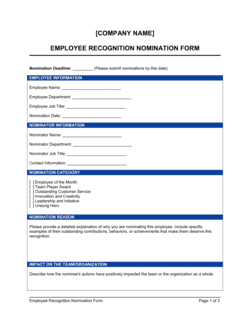
- Nomination
- A formal submission by a manager or peer proposing that a specific employee receive recognition, accompanied by a description of the qualifying behavior.
- Eligibility Criteria
- The conditions an employee must meet to qualify for recognition — such as minimum tenure, active employment status, or performance standing.
- Recognition Cadence
- The scheduled frequency at which formal recognition events or awards are distributed — monthly, quarterly, or annually.
- Non-Monetary Recognition
- Forms of acknowledgment that carry no cash value, such as public praise, a thank-you note, a preferred parking spot, or a feature in the company newsletter.
- Fringe Benefit Tax
- A tax liability that arises when an employer provides non-cash rewards — such as gift cards or merchandise — that exceed the IRS de minimis threshold, requiring payroll reporting.
- De Minimis Award
- A reward of such small value (generally under $75 per occurrence in the US) that accounting for it is administratively impractical, exempting it from tax reporting under IRS guidelines.
- Program Administrator
- The designated HR or operations staff member responsible for managing nominations, approvals, budget tracking, and record-keeping for the recognition program.