- Salary Band
- A defined range of pay — with a minimum, midpoint, and maximum — assigned to a job level or role family to guide hiring offers and merit increases.
- Total Compensation
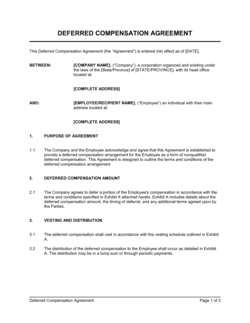
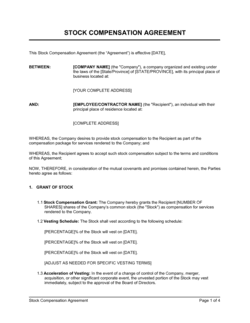
- The full value of everything an employer provides to an employee, including base salary, bonuses, equity, benefits, and employer-paid payroll taxes.
- Pay Equity
- The principle that employees performing the same or substantially similar work receive equal pay regardless of gender, race, or other protected characteristics.
- Variable Pay
- Compensation tied to performance or company results — such as annual bonuses, commissions, or profit-sharing — paid in addition to base salary.
- Job Classification
- A system that groups roles into grades or levels based on scope, complexity, and required skills, which anchors each role to a salary band.
- Compa-Ratio
- An employee's current salary divided by the midpoint of their salary band, expressed as a percentage — used to assess whether pay is above or below market midpoint.
- Merit Increase
- A base salary increase awarded on the basis of individual performance, typically determined during an annual performance review cycle.
- Statutory Benefits
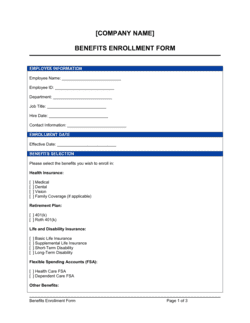
- Benefits legally required by applicable employment law — such as Social Security contributions, workers' compensation, unemployment insurance, and mandated leave.
- Supplemental Benefits
- Benefits provided at the employer's discretion beyond statutory requirements — such as employer-paid health insurance, retirement matching, or wellness stipends.
- Pay Transparency
- The degree to which an employer discloses pay ranges — to candidates, employees, or the public — as required by law or adopted as a voluntary practice.