Employee Termination Policy Template

Free Word download β€’ Edit online β€’ Save & share with Drive β€’ Export to PDF

3 pagesβ€’20–30 min to fillβ€’Difficulty: Standard
Learn more ↓
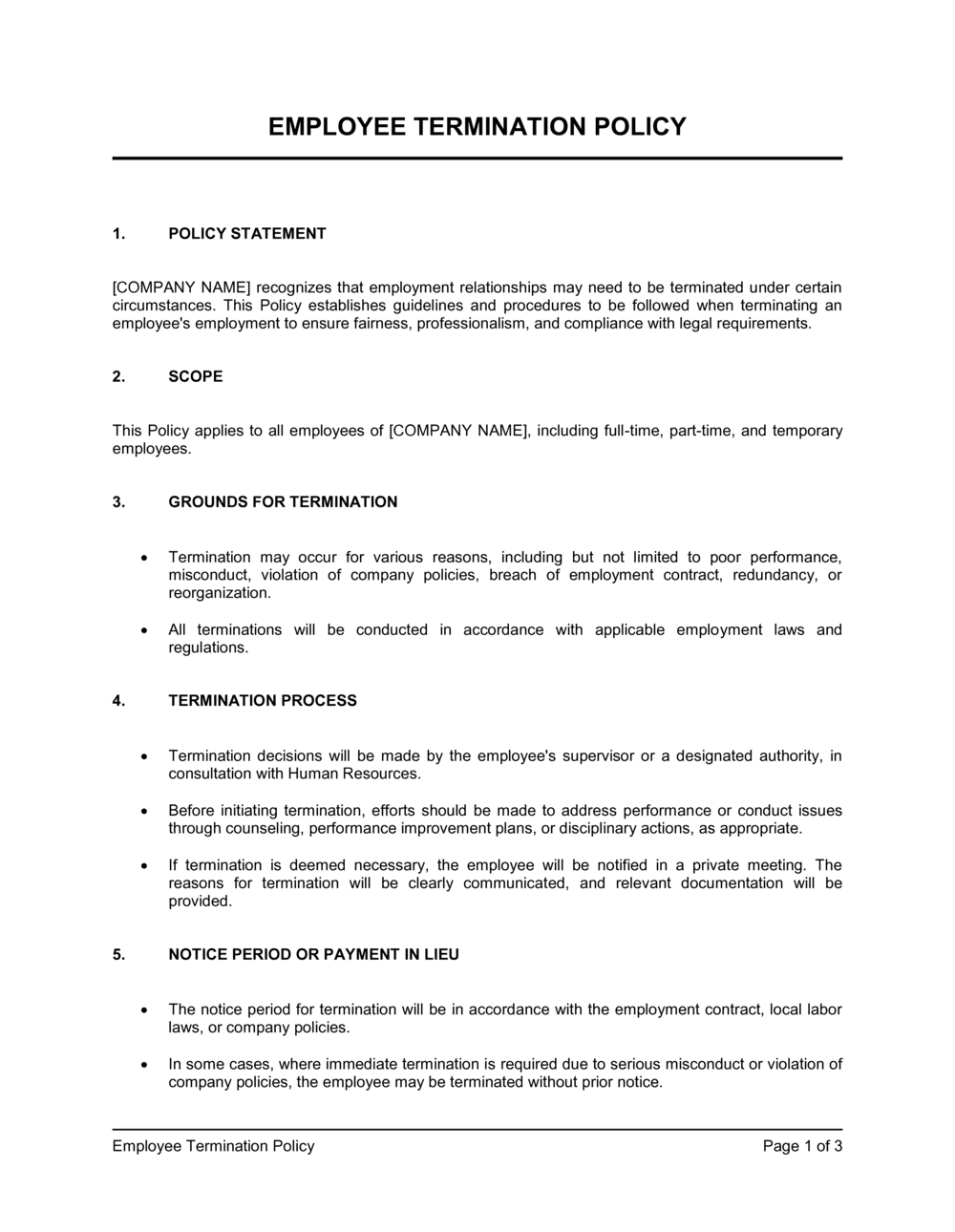
FreeEmployee Termination Policy Template

At a glance

What it is
An Employee Termination Policy is an internal HR document that defines the company's rules and step-by-step procedures for ending employment β€” covering voluntary resignations, involuntary dismissals, layoffs, and retirements. This free Word download gives HR teams and managers a structured, consistent framework they can edit online and distribute as part of their employee handbook or HR policy library.
When you need it
Use it when formalizing HR procedures for the first time, when the company is scaling beyond 10 employees and ad-hoc termination handling creates legal or operational risk, or after an inconsistent separation has exposed gaps in your existing process.
What's inside
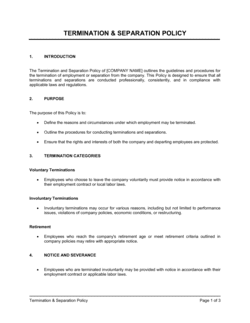
Policy scope and definitions, grounds for voluntary and involuntary termination, progressive discipline references, notice and final-pay requirements, offboarding steps, asset return procedures, reference and record-keeping guidelines, and a communication protocol for informing affected teams.

What is an Employee Termination Policy?

An Employee Termination Policy is an internal HR document that establishes the company's rules, procedures, and responsibilities for ending employment relationships β€” covering voluntary resignations, involuntary dismissals for cause, layoffs, and end-of-contract separations. It defines the grounds for termination, the required sequence of steps before and after separation, notice and final-pay requirements, offboarding procedures, documentation standards, and how the company communicates departures to the remaining team. Unlike a termination letter, which documents one specific separation event, a termination policy governs how every separation is handled across the organization.

Why You Need This Document

Without a written termination policy, each separation is handled differently by whoever is managing it that day β€” resulting in inconsistent notice periods, missed final-pay obligations, overlooked IT access revocations, and undocumented disciplinary trails. That inconsistency is the single most common factor in wrongful-termination claims: not the termination itself, but the inability to demonstrate that a consistent, fair process was followed. A well-structured policy gives managers a defensible procedure to follow before the stressful moment of a separation arrives, reduces exposure from procedural errors like failing to pay out accrued PTO or notifying the team before the employee, and signals to every employee from day one that departures β€” their own or their colleagues' β€” are handled with professionalism. This template gives you a complete, editable starting point that covers every major separation scenario, so your HR process is documented long before you need to use it.

Which variant fits your situation?

If your situation is…Use this template
Documenting the full termination process in a standalone policyEmployee Termination Policy
Structuring the step-by-step offboarding workflow for HR and managersEmployee Offboarding Checklist
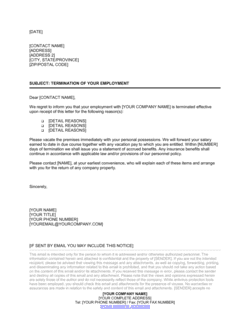
Issuing a formal written notice of termination to the employeeEmployee Termination Letter
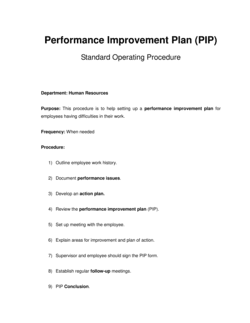
Documenting a performance-related dismissal after a PIP processPerformance Improvement Plan
Conducting a voluntary exit interview before the employee's last dayExit Interview Form
Laying off a group of employees due to a reduction in forceLayoff Notification Letter
Protecting confidential information when an employee departsNon-Disclosure Agreement

Common mistakes to avoid

❌ No distinction between for-cause and layoff procedures

Why it matters: For-cause dismissals require documented progressive discipline; layoffs require WARN Act or equivalent notice in many jurisdictions. Using the same procedure for both creates legal and operational errors.

Fix: Create a separate named procedure for each separation type and ensure managers know which applies before initiating any separation.

❌ Omitting accrued PTO from the final-pay section

Why it matters: In states like California and Colorado, accrued vacation is treated as earned wages. Failing to pay it out triggers penalty wages, state labor board complaints, and personal liability for managers who approved the separation.

Fix: List accrued PTO explicitly in the final-pay clause, note that payout is required where mandated by applicable law, and verify the rules for every state where you have employees.

❌ Paying severance before obtaining a signed release

Why it matters: Once severance is transferred, the employee has no incentive to sign a release. The company loses its practical settlement tool and is exposed to concurrent wrongful-termination claims.

Fix: State in the policy β€” and in every severance offer letter β€” that payment is made only after the release is signed, the revocation period has expired, and HR has confirmed execution.

❌ Announcing the termination to the team before telling the employee

Why it matters: The employee learns of their dismissal from colleagues, not management β€” a legally and morally significant procedural failure that increases the likelihood of a hostile workplace or defamation claim.

Fix: The policy's communication section should explicitly sequence the notification: employee first, then team, with a defined window of no more than 24 hours between them.

❌ No version number or effective date on the policy document

Why it matters: In an employment dispute, the company must prove which version of the policy was in force at the time of the separation. An undated document cannot be reliably anchored to a specific event.

Fix: Add a version number, effective date, and last-reviewed date to the header of every policy document, and retain superseded versions in a locked HR archive.

❌ Writing the grounds for termination in vague, catch-all language

Why it matters: Phrases like 'conduct unbecoming' or 'failure to meet expectations' give managers no clear decision criteria and cannot be defended consistently in an arbitration or tribunal.

Fix: List specific, observable behaviors in each grounds category with at least three concrete examples, and update the list annually as new conduct scenarios arise.

The 10 key sections, explained

Purpose and scope

Types of termination

Grounds for termination

Progressive discipline reference

Notice requirements

Final pay and benefits

Offboarding and asset return

Documentation and record-keeping

Communication protocol

Severance and separation agreements

How to fill it out

  1. 1

    Define the scope and employee classifications

    Specify which locations, entity names, and employee types β€” full-time, part-time, temporary, and contractors β€” the policy covers. Confirm whether it applies during probationary periods.

    πŸ’‘ If your company operates in multiple US states or countries, note in the scope section that local law governs where it conflicts with the policy.

  2. 2

    List and define each termination type

    Write a clear, one-paragraph definition for each separation category: voluntary resignation, for-cause dismissal, layoff or RIF, end of fixed-term contract, and retirement. Assign a separate procedure reference to each type.

    πŸ’‘ Use the same terminology throughout the policy and in all related HR documents β€” inconsistent labeling between the policy, termination letters, and payroll records is a common compliance gap.

  3. 3

    Set the grounds and distinguish immediate from progressive

    List specific behaviors that justify immediate dismissal without prior warning, then list those that require progressive discipline first. Be specific β€” give at least three examples in each category.

    πŸ’‘ Have your list reviewed by a manager in each department to confirm that real-world conduct scenarios are covered and not just HR-textbook examples.

  4. 4

    Set notice periods by tenure and role level

    Enter the standard resignation notice you request from employees and the notice or pay in lieu the company provides. Add escalating notice for employees over 3, 5, and 10 years of service.

    πŸ’‘ Check your employment contracts and any applicable employment standards legislation before locking in notice periods β€” the policy cannot lawfully provide less than the statutory minimum.

  5. 5

    Specify the final-pay rules and benefits end date

    State the final-pay deadline and enumerate what is included: earned wages, accrued PTO (check state or provincial law), outstanding expense reimbursements, and any vested benefits. State the exact date benefits coverage ends.

    πŸ’‘ In California, Colorado, and several other states, final pay must be issued on the last day of employment for involuntary separations β€” verify state-specific rules before entering a deadline.

  6. 6

    Build out the offboarding checklist reference

    Embed or cross-reference the step-by-step offboarding checklist covering IT access revocation, asset return, knowledge transfer, and final expense submission. Assign ownership for each step.

    πŸ’‘ Assign the IT access revocation step a specific time β€” 'by 5 p.m. on the last working day' β€” rather than leaving it open-ended.

  7. 7

    Define documentation retention requirements

    State which documents must be created, who is responsible for each, and how long they must be kept. Cross-reference your company's general records retention policy for consistency.

    πŸ’‘ Seven years is a common floor for employment records in North America, but regulated industries (healthcare, finance) may require longer β€” confirm before setting the retention period.

  8. 8

    Review, approve, and distribute the policy

    Have HR leadership and, where appropriate, legal counsel review the final draft. Obtain sign-off from the CEO or COO, assign a version number and effective date, and distribute to all managers.

    πŸ’‘ Store the policy in your HR information system and require managers to acknowledge receipt in writing β€” this documents that the process was communicated, not just created.

Frequently asked questions

What is an employee termination policy?

An employee termination policy is an internal HR document that defines the company's procedures for ending employment relationships β€” covering voluntary resignations, for-cause dismissals, layoffs, and end-of-contract separations. It specifies notice periods, final-pay rules, offboarding steps, documentation requirements, and communication protocols. Its primary function is to ensure every separation is handled consistently, lawfully, and with minimal legal and operational risk.

Why does a small business need a termination policy?

Without a written policy, each termination is handled ad hoc β€” meaning different managers give different notice, pay out different final amounts, and follow different offboarding steps. This inconsistency is the primary driver of wrongful-termination claims. A documented policy gives managers a clear procedure to follow, creates an audit trail that demonstrates fair treatment, and signals to employees from day one that separations are handled professionally.

What is the difference between termination for cause and a layoff?

Termination for cause is based on specific documented employee conduct β€” misconduct, policy violations, gross negligence, or persistent performance failure after a progressive discipline process. A layoff or reduction in force eliminates positions for business reasons unrelated to individual performance, such as budget cuts or restructuring. The two types require different documentation, different notice obligations, and often different final-pay and severance treatments.

What must be included in an employee's final pay?

Final pay must include all earned but unpaid wages through the last working day. In many US states and Canadian provinces, it must also include accrued but unused vacation pay, which is treated as earned wages. Outstanding expense reimbursements and any vested benefits should also be settled. The deadline for issuing final pay varies by jurisdiction β€” some states require payment on the last day for involuntary separations.

Is a termination policy legally required?

No federal or provincial statute in North America explicitly requires a written termination policy, but employment standards legislation sets minimum notice and final-pay requirements that the policy must at least meet. Having a written policy is strongly advisable because it documents the process the company followed, which is a primary defense in wrongful- termination claims. Many employment lawyers recommend treating the policy as a risk-management document, not a legal formality.

When should severance be offered to a terminated employee?

Severance is not legally required in most at-will US employment situations, but it is commonly offered in exchange for a signed separation agreement and release of claims. It is typically offered in layoff situations, for long-tenured employees, or when the circumstances of a dismissal carry legal ambiguity. A common formula is one week of pay per year of service, with a minimum of two weeks. In Canada and the UK, contractual or statutory severance may be required regardless of whether a release is signed.

How should a termination meeting be conducted?

A termination meeting should be held in a private location with the employee's direct manager and an HR representative present. It should be direct and brief β€” typically 15 minutes. The decision should be stated clearly at the outset, not built up to. The policy should specify who speaks, what documentation is handed to the employee at the meeting (termination letter, COBRA notice if applicable), and what happens immediately afterward (return of access badge, escort to collect belongings if required).

How long should termination records be retained?

Most HR and legal advisors recommend retaining termination-related documents β€” including the termination letter, disciplinary records, performance reviews, and offboarding checklist β€” for a minimum of seven years from the date of separation. Regulated industries such as healthcare and finance may require longer retention periods. The statute of limitations for most employment claims runs two to four years, but document retention beyond that window protects against late-filed claims and regulatory audits.

Can a termination policy conflict with an employment contract?

Yes, and the employment contract typically governs where the two conflict for the individual employee covered by that contract. The policy sets the company-wide standard procedure; individual contracts may specify longer notice periods, enhanced severance, or different grounds for cause. HR should review the specific employment contract before initiating any separation to confirm the contractual obligations that apply to that individual.

How this compares to alternatives

vs Employee Dismissal Letter

A dismissal letter is the formal written notice handed to an individual employee at the time of termination β€” it records the decision, effective date, and any severance or return-of-property instructions. The termination policy is the internal procedural document that governs how every separation is handled. You need both: the policy ensures consistency; the letter documents the specific event.

vs Performance Improvement Plan

A performance improvement plan is the structured corrective step taken before a performance-based dismissal β€” it documents the gap, sets measurable targets, and gives the employee a defined period to improve. The termination policy references the PIP process but is not a substitute for it. A termination without a documented PIP, when the policy requires one, is the most common procedural failure in wrongful-dismissal claims.

vs Employee Handbook

An employee handbook is the comprehensive policy guide covering all aspects of employment β€” conduct, benefits, leave, and workplace expectations. The termination policy is one chapter within that handbook, or a standalone addendum to it. Distributing the termination policy as part of the handbook ensures employees acknowledge receipt, which is a procedural prerequisite in many employment disputes.

vs Separation Agreement

A separation agreement is the binding document a specific departing employee signs in exchange for severance β€” it releases legal claims and confirms post-employment obligations like confidentiality. The termination policy determines when a separation agreement is required and what it must include. The policy governs the process; the agreement governs the specific transaction.

Industry-specific considerations

Technology / SaaS

Immediate IT access revocation is critical given employee access to source code, customer data, and cloud infrastructure β€” the policy should specify that access is revoked at the moment of notification, not at end of day.

Healthcare

HIPAA obligations survive employment β€” the offboarding section must include a reminder of post-employment confidentiality duties and a credential-revocation step for clinical staff with patient-record access.

Retail / Hospitality

High turnover and hourly wage structures require the policy to address same-day final pay (required in several US states for involuntary separations) and clear uniform and cash-handling asset-return procedures.

Financial Services

Regulatory reporting obligations β€” such as Form U5 for broker-dealers or FCA notifications in the UK β€” must be built into the post-termination documentation workflow, with defined submission deadlines.

Manufacturing

Safety certifications and equipment access require an immediate physical access revocation step, and the policy should address shift handover procedures to prevent production gaps when a key operator is separated.

Professional Services

Client relationship continuity is the primary operational risk β€” the offboarding section should require a client transition plan and specify that the departing employee may not contact clients directly after the separation date.

Template vs pro β€” what fits your needs?

PathBest forCostTime
Use the templateSmall businesses and growing startups creating their first formal HR termination procedureFree2–4 hours to customize and distribute
Template + professional reviewCompanies operating in multiple US states, Canada, or the UK, or those with recent separation disputes$300–$800 for an HR consultant or employment lawyer review3–5 business days
Custom draftedEnterprises with unionized workforces, regulated industries, or complex multi-jurisdiction employment structures$1,500–$5,000+2–4 weeks

Glossary

Involuntary Termination
Separation initiated by the employer, including dismissal for cause, layoffs, and position elimination.
Voluntary Resignation
Separation initiated by the employee, typically with written notice submitted to their manager or HR.
Termination for Cause
Dismissal based on specific documented grounds such as misconduct, fraud, policy violation, or gross negligence.
At-Will Employment
An employment relationship in most US states that either party may end at any time for any lawful reason, without requiring cause or advance notice.
Notice Period
The number of days or weeks an employee or employer must provide before separation takes effect, as set by contract or policy.
Final Pay
All wages, accrued but unused PTO (where required by law), and expense reimbursements owed to the employee on or by their last working day.
Reduction in Force (RIF)
A planned elimination of positions driven by budget constraints, restructuring, or business closure rather than individual performance.
Progressive Discipline
A structured sequence of corrective actions β€” verbal warning, written warning, performance improvement plan, suspension β€” taken before termination except in cases of gross misconduct.
Separation Agreement
A binding document signed by the employer and departing employee that settles any claims in exchange for severance, typically in exchange for a release of legal claims.
Offboarding
The structured process of transitioning a departing employee out of the organization, covering access revocation, asset return, knowledge transfer, and final paperwork.

Part of your Business Operating System

This document is one of 3,000+ business & legal templates included in Business in a Box.

  • Fill-in-the-blanks β€” ready in minutes
  • 100% customizable Word document
  • Compatible with all office suites
  • Export to PDF and share electronically

Create your document in 3 simple steps.

From template to signed document β€” all inside one Business Operating System.
1
Download or open template

Access over 3,000+ business and legal templates for any business task, project or initiative.

2
Edit and fill in the blanks with AI

Customize your ready-made business document template and save it in the cloud.

3
Save, Share, Send, Sign

Share your files and folders with your team. Create a space of seamless collaboration.

Save time, save money, and create top-quality documents.

β˜…β˜…β˜…β˜…β˜…

"Fantastic value! I'm not sure how I'd do without it. It's worth its weight in gold and paid back for itself many times."

Managing Director Β· Mall Farm
Robert Whalley
Managing Director, Mall Farm Proprietary Limited
β˜…β˜…β˜…β˜…β˜…

"I have been using Business in a Box for years. It has been the most useful source of templates I have encountered. I recommend it to anyone."

Business Owner Β· 4+ years
Dr Michael John Freestone
Business Owner
β˜…β˜…β˜…β˜…β˜…

"It has been a life saver so many times I have lost count. Business in a Box has saved me so much time and as you know, time is money."

Owner Β· Upstate Web
David G. Moore Jr.
Owner, Upstate Web

Run your business with a system β€” not scattered tools

Stop downloading documents. Start operating with clarity. Business in a Box gives you the Business Operating System used by over 250,000 companies worldwide to structure, run, and grow their business.

Free Forever PlanΒ Β·Β No credit card required