Developing A Continuous Improvement Plan Template

Free Word download β€’ Edit online β€’ Save & share with Drive β€’ Export to PDF

2 pagesβ€’20–25 min to fillβ€’Difficulty: Standard
Learn more ↓
FreeDeveloping A Continuous Improvement Plan Template

At a glance

What it is
A Continuous Improvement Plan is a structured operational document that identifies current performance gaps, sets measurable improvement targets, defines corrective actions, assigns ownership, and tracks progress over time. This free Word download gives you a ready-to-edit framework you can adapt for any department or process and export as PDF to share with leadership or front-line teams.
When you need it
Use it when recurring process failures, declining quality metrics, or operational inefficiencies signal that ad-hoc fixes are no longer enough. It is also the standard deliverable for post-audit corrective action, lean or Six Sigma initiatives, and ISO compliance programs.
What's inside
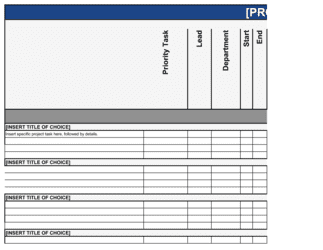
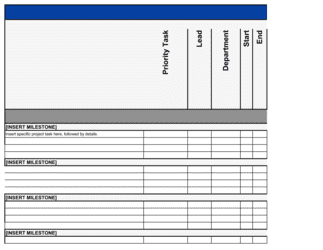
A current-state assessment, root cause analysis, measurable improvement objectives, prioritized action items with owners and deadlines, resource requirements, KPI tracking tables, and a review cadence for monitoring progress and adjusting the plan.

What is a Continuous Improvement Plan?

A Continuous Improvement Plan is a structured operational document that identifies measurable performance gaps in a specific process or function, defines targeted improvement objectives, assigns corrective actions to named owners with deadlines, and establishes a recurring review schedule to track progress and sustain results. It applies established methodologies β€” Kaizen, PDCA, Lean, or Six Sigma β€” within a single, repeatable document format that any team can execute without specialist training. Rather than describing how a process should work in its ideal state, a CI plan focuses on the distance between current performance and a defined target, then maps the specific steps required to close that gap.

Why You Need This Document

Without a written continuous improvement plan, improvement efforts remain ad hoc β€” teams apply fixes to visible symptoms, the same problems resurface within months, and no one can demonstrate to leadership or auditors that a structured corrective process exists. The absence of a formal plan is the most common reason ISO audits and regulatory reviews flag organizations for repeat non-conformances: the work may have been done, but it was never documented, measured, or owned. A CI plan forces baseline measurement before any action is taken, ties every task to a named individual and a specific deadline, and builds the standardization step β€” updating SOPs, training materials, and system configurations β€” directly into the process so that improvements hold after the initiative closes. This template gives you the structure to run that entire cycle, from root cause to sustained result, in a single document your team can execute from day one.

Which variant fits your situation?

If your situation is…Use this template
Improving a single end-to-end business processProcess Improvement Plan
Responding to a customer complaint or quality non-conformanceCorrective Action Plan
Conducting a structured lean or Six Sigma improvement cycleDMAIC Project Charter
Setting department-level performance targets for the yearOperational Plan
Tracking KPIs and performance metrics over timeKPI Dashboard / Performance Report
Aligning improvement goals with the broader company strategyStrategic Planning Template
Documenting standard procedures after a process redesignStandard Operating Procedure (SOP)

Common mistakes to avoid

❌ No baseline data before writing objectives

Why it matters: Without a measured starting point, you cannot set a meaningful target or demonstrate that any improvement actually occurred. Reviews become subjective disagreements rather than data-driven decisions.

Fix: Collect at least four weeks of performance data before drafting objectives, and document the measurement source so the same method is used at every review.

❌ Assigning actions to teams instead of named individuals

Why it matters: Shared ownership means no one feels personally accountable. In practice, the action waits for someone else to start it and misses its deadline.

Fix: Assign exactly one named person to each action item. If the task genuinely requires a team, designate one person as the accountable lead who coordinates the others.

❌ Scoping the plan across too many processes at once

Why it matters: A plan with ten concurrent process improvements spreads resources too thin, delays results on every front, and makes it nearly impossible to isolate which changes drove which outcomes.

Fix: Limit the first CI cycle to one or two high-impact processes. Use the lessons learned to build momentum for the next cycle.

❌ Skipping the standardization step when improvements succeed

Why it matters: Improvements that are not embedded into SOPs, training materials, or system configurations regress within months, especially after staff turnover.

Fix: For every improvement that meets its target, write the new process into a formal SOP and update onboarding materials before closing the plan.

❌ Setting vague objectives without measurable targets

Why it matters: Objectives like 'improve customer satisfaction' or 'reduce waste' give the team no clear signal of success and make performance reviews impossible to conduct objectively.

Fix: Rewrite every objective in the form: reduce/increase [METRIC] from [BASELINE VALUE] to [TARGET VALUE] by [SPECIFIC DATE].

❌ Holding review meetings without defined decision rights

Why it matters: When no one has authority to adjust the plan, reviews become status report sessions. Blockers stay unresolved for weeks while waiting for the next meeting or executive availability.

Fix: Document who can approve scope changes, reallocate budget, or escalate blockers before the first review meeting takes place.

The 9 key sections, explained

Executive Summary

Current State Assessment

Root Cause Analysis

Improvement Objectives

Action Plan

Resource Requirements

KPI Tracking Table

Review and Governance Schedule

Lessons Learned and Standardization

How to fill it out

  1. 1

    Define the scope and the process being improved

    Name the specific process, department, or outcome the plan addresses. Avoid scoping too broadly β€” a plan covering an entire business unit is difficult to execute and nearly impossible to measure.

    πŸ’‘ A well-scoped CI plan covers a single end-to-end process with a measurable output β€” for example, order fulfillment cycle time or first-call resolution rate.

  2. 2

    Collect baseline performance data

    Measure the current state before writing any objectives. Pull data from your production system, quality logs, or customer feedback records and document the measurement method so it can be replicated at review.

    πŸ’‘ Use at least four weeks of data to avoid basing the baseline on an atypical period. Seasonal spikes or a recent incident can distort a single week's numbers.

  3. 3

    Conduct a root cause analysis

    Apply a structured method β€” 5 Whys, fishbone diagram, or Pareto chart β€” to identify the primary driver of the performance gap. Document the method and its findings in the Root Cause Analysis section.

    πŸ’‘ Involve the frontline workers who execute the process in the root cause session. They consistently identify causes that management-only analyses miss.

  4. 4

    Set SMART improvement objectives

    Write each objective as: reduce/increase [METRIC] from [BASELINE] to [TARGET] by [DATE]. Confirm you have access to the data system that will measure progress before finalizing the target.

    πŸ’‘ Set targets that are achievable in 90 days or less for the first cycle β€” early wins build team confidence and organizational support for larger changes.

  5. 5

    Build the action plan with single owners and due dates

    Break each objective into discrete actions. Assign one named owner per action β€” not a team or department β€” and set a specific due date for each.

    πŸ’‘ Sequence actions so dependencies are visible. If Action 3 cannot start until Action 1 is complete, note that explicitly to prevent bottlenecks from going unnoticed.

  6. 6

    Estimate resources and get approval

    Document the budget, tools, and staff time each action requires, then present the resource section to the relevant sponsor for sign-off before execution begins.

    πŸ’‘ Framing resource needs in terms of expected ROI β€” '$5,000 in training will eliminate $30,000 in annual rework cost' β€” speeds executive approval significantly.

  7. 7

    Set up the KPI tracking table and populate baseline values

    Enter the baseline, interim milestones, and final targets for each KPI. Confirm the data source is automated or assign a named owner responsible for updating the table on the defined cadence.

    πŸ’‘ A dashboard connected directly to your production system eliminates manual data entry errors and ensures the team always sees current numbers.

  8. 8

    Schedule reviews and define decision rights

    Book recurring review meetings before launching the plan β€” weekly for action items, monthly for KPI trends. Document who has authority to adjust scope, add resources, or escalate blockers.

    πŸ’‘ Send a brief progress summary 24 hours before each review meeting so participants arrive informed and the session can focus on decisions rather than status updates.

Frequently asked questions

What is a continuous improvement plan?

A continuous improvement plan is a structured operational document that identifies performance gaps in a specific process, defines measurable improvement targets, assigns corrective actions to named owners, and establishes a review schedule for tracking progress. It formalizes the PDCA (Plan-Do-Check-Act) cycle into a document that teams and leadership can execute against and hold each other accountable to.

What is the difference between a continuous improvement plan and a corrective action plan?

A corrective action plan responds to a specific, already-occurred problem β€” a quality non-conformance, a customer complaint, or an audit finding β€” and focuses on eliminating the root cause of that incident. A continuous improvement plan is proactive and ongoing, targeting incremental performance gains in processes that may be functioning adequately but can be made more efficient or effective. The two documents often work together: corrective actions feed into the broader CI plan.

What frameworks or methodologies does a continuous improvement plan use?

The most common frameworks include Kaizen (small, frequent incremental improvements driven by frontline teams), PDCA (Plan-Do-Check-Act for iterative testing), DMAIC (Define-Measure-Analyze-Improve-Control from Six Sigma for data-driven process redesign), and Lean (waste elimination across a value stream). This template is methodology-agnostic β€” it provides the structure to apply any of these frameworks consistently.

How long should a continuous improvement plan cover?

Most organizations run CI cycles of 90 days for tactical process improvements, with quarterly reviews to assess progress and adjust the plan. Annual CI plans are common for department-level or strategic initiatives. The key is to set objectives achievable within the chosen horizon β€” longer timelines reduce urgency and make it harder to link actions to outcomes.

Who should own a continuous improvement plan?

Ownership depends on scope. A process-level plan is typically owned by the operations or quality manager responsible for that process. Department-wide plans are owned by the department head. Company-wide CI programs are often led by a dedicated CI or operational excellence manager reporting to the COO or CEO. Critically, every individual action item within the plan must have a single named owner, distinct from the plan's overall sponsor.

How do I measure the success of a continuous improvement plan?

Success is measured against the SMART objectives set in the plan β€” each objective has a baseline, a target, and a deadline. At each review, the team compares the current KPI value to the interim milestone. A plan is considered successful when all primary KPIs reach their targets within the defined timeframe and the improvements are confirmed to have held for at least one review cycle after the corrective actions were completed.

Is a continuous improvement plan the same as a strategic plan?

No. A strategic plan defines where the organization wants to go over 3–5 years and allocates resources at a high level. A continuous improvement plan is an operational execution document focused on closing specific, measured performance gaps in current processes β€” typically over a 90-day to 12-month horizon. CI plans often support strategic goals but operate at a much more granular, process-specific level.

How often should a continuous improvement plan be updated?

Action item status should be reviewed weekly. KPI progress should be assessed monthly against milestones. The overall plan β€” objectives, scope, and resource allocation β€” should be formally reviewed and updated quarterly or whenever a major change in the business context (new product, system change, or significant staffing shift) alters the underlying assumptions the plan was built on.

Does a continuous improvement plan need executive sign-off?

Any CI plan that requires budget, cross-functional resources, or changes to established processes should be approved by the relevant executive sponsor before execution begins. Plans that fall entirely within a manager's existing authority and budget can be self-approved. Executive sign-off is also valuable for signaling organizational commitment β€” teams execute CI plans with significantly more consistency when leadership has visibly endorsed the effort.

How this compares to alternatives

vs Corrective Action Plan

A corrective action plan is reactive β€” it addresses a specific incident, non-conformance, or audit finding that has already occurred. A continuous improvement plan is proactive, targeting ongoing performance gains across a process. Corrective actions are typically shorter in duration and narrower in scope; CI plans run continuously with recurring review cycles.

vs Operational Plan

An operational plan defines how a department or business unit will execute its annual goals β€” staffing, budgets, and activity schedules. A continuous improvement plan zooms in on specific process performance gaps within that operational context. You may run several CI plans concurrently within a single operational plan.

vs Strategic Planning Template

A strategic plan sets the 3–5 year direction for the organization and allocates resources at a high level. A continuous improvement plan is a ground-level execution tool targeting specific, measurable process gaps over a 90-day to 12-month horizon. CI plans support strategic goals but operate at a process-specific level of detail that a strategic plan does not reach.

vs Standard Operating Procedure (SOP)

An SOP documents how a process should be performed in its current standard state. A CI plan identifies where the current standard falls short and defines actions to close the gap. Once an improvement is proven and stabilized, the updated method is written back into the SOP β€” making the two documents sequential rather than competing.

Industry-specific considerations

Manufacturing

Focuses on defect rate reduction, OEE (Overall Equipment Effectiveness) improvement, and scrap cost elimination using Lean and Six Sigma methodologies.

Healthcare

Addresses patient wait times, medication error rates, and discharge process efficiency, often as a mandatory component of accreditation and regulatory compliance programs.

Professional Services

Targets billable utilization rates, project delivery timelines, and client onboarding cycle times where incremental efficiency gains translate directly to revenue and margin.

Retail and E-commerce

Applied to order fulfillment accuracy, return processing time, and in-store or site conversion rates, where small percentage improvements produce measurable revenue impact at scale.

Template vs pro β€” what fits your needs?

PathBest forCostTime
Use the templateOperations managers, quality leads, and small business owners running improvement cycles within a single team or processFree2–4 hours to complete; 30–60 minutes per monthly review
Template + professional reviewCross-functional CI initiatives or ISO/regulatory compliance programs requiring external validation$500–$2,000 for a lean consultant or quality advisor review1–2 weeks including workshop facilitation
Custom draftedEnterprise-wide continuous improvement programs, Six Sigma DMAIC projects, or operational excellence engagements with dedicated CI specialists$5,000–$25,000+ for a full consulting engagement4–12 weeks

Glossary

Continuous Improvement (CI)
An ongoing, systematic effort to enhance products, services, or processes through incremental changes rather than one-time overhauls.
Kaizen
A Japanese management philosophy meaning 'change for better,' applied as a structured method of small, frequent improvements driven by frontline employees.
Root Cause Analysis (RCA)
A structured investigation technique that identifies the fundamental reason a problem occurred, rather than just its visible symptoms.
PDCA Cycle
Plan-Do-Check-Act β€” a four-step iterative model for implementing and verifying improvements before standardizing them.
KPI (Key Performance Indicator)
A measurable value that indicates how effectively a process or team is achieving a defined objective.
Baseline Metric
The current measured performance level of a process before any improvement actions are applied, used as the reference point for evaluating progress.
Action Item
A specific, assigned task with a named owner and a due date, designed to close the gap between current and target performance.
Corrective Action
A step taken to eliminate the root cause of a detected problem, preventing it from recurring β€” distinct from a workaround that only addresses symptoms.
Benchmark
An external reference point β€” industry average, competitor performance, or best-in-class standard β€” used to set realistic improvement targets.
Review Cadence
The scheduled frequency at which progress against the plan is formally assessed and the plan is updated β€” typically weekly, monthly, or quarterly.

Part of your Business Operating System

This document is one of 3,000+ business & legal templates included in Business in a Box.

  • Fill-in-the-blanks β€” ready in minutes
  • 100% customizable Word document
  • Compatible with all office suites
  • Export to PDF and share electronically

Create your document in 3 simple steps.

From template to signed document β€” all inside one Business Operating System.
1
Download or open template

Access over 3,000+ business and legal templates for any business task, project or initiative.

2
Edit and fill in the blanks with AI

Customize your ready-made business document template and save it in the cloud.

3
Save, Share, Send, Sign

Share your files and folders with your team. Create a space of seamless collaboration.

Save time, save money, and create top-quality documents.

β˜…β˜…β˜…β˜…β˜…

"Fantastic value! I'm not sure how I'd do without it. It's worth its weight in gold and paid back for itself many times."

Managing Director Β· Mall Farm
Robert Whalley
Managing Director, Mall Farm Proprietary Limited
β˜…β˜…β˜…β˜…β˜…

"I have been using Business in a Box for years. It has been the most useful source of templates I have encountered. I recommend it to anyone."

Business Owner Β· 4+ years
Dr Michael John Freestone
Business Owner
β˜…β˜…β˜…β˜…β˜…

"It has been a life saver so many times I have lost count. Business in a Box has saved me so much time and as you know, time is money."

Owner Β· Upstate Web
David G. Moore Jr.
Owner, Upstate Web

Run your business with a system β€” not scattered tools

Stop downloading documents. Start operating with clarity. Business in a Box gives you the Business Operating System used by over 250,000 companies worldwide to structure, run, and grow their business.

Start freeΒ Β·Β No credit card required