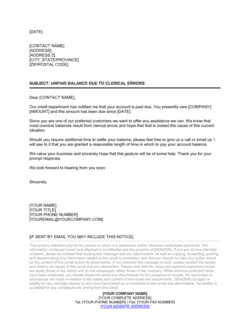
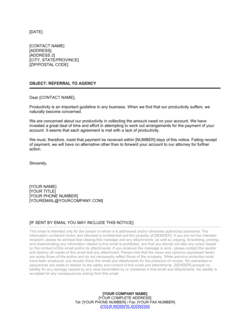
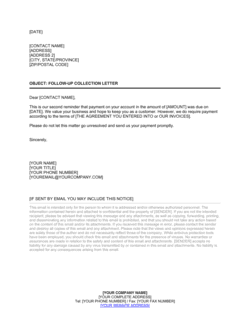
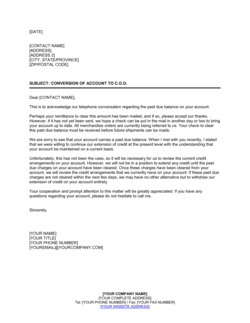
Collection History for Delinquent Account Template

Free Word download • Edit online • Save & share with Drive • Export to PDF

1 page20–30 min to fillDifficulty: StandardSignature requiredLegal review recommended
Learn more ↓
FreeCollection History for Delinquent Account Template

At a glance

What it is
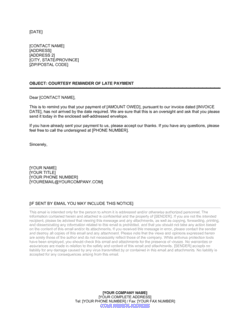
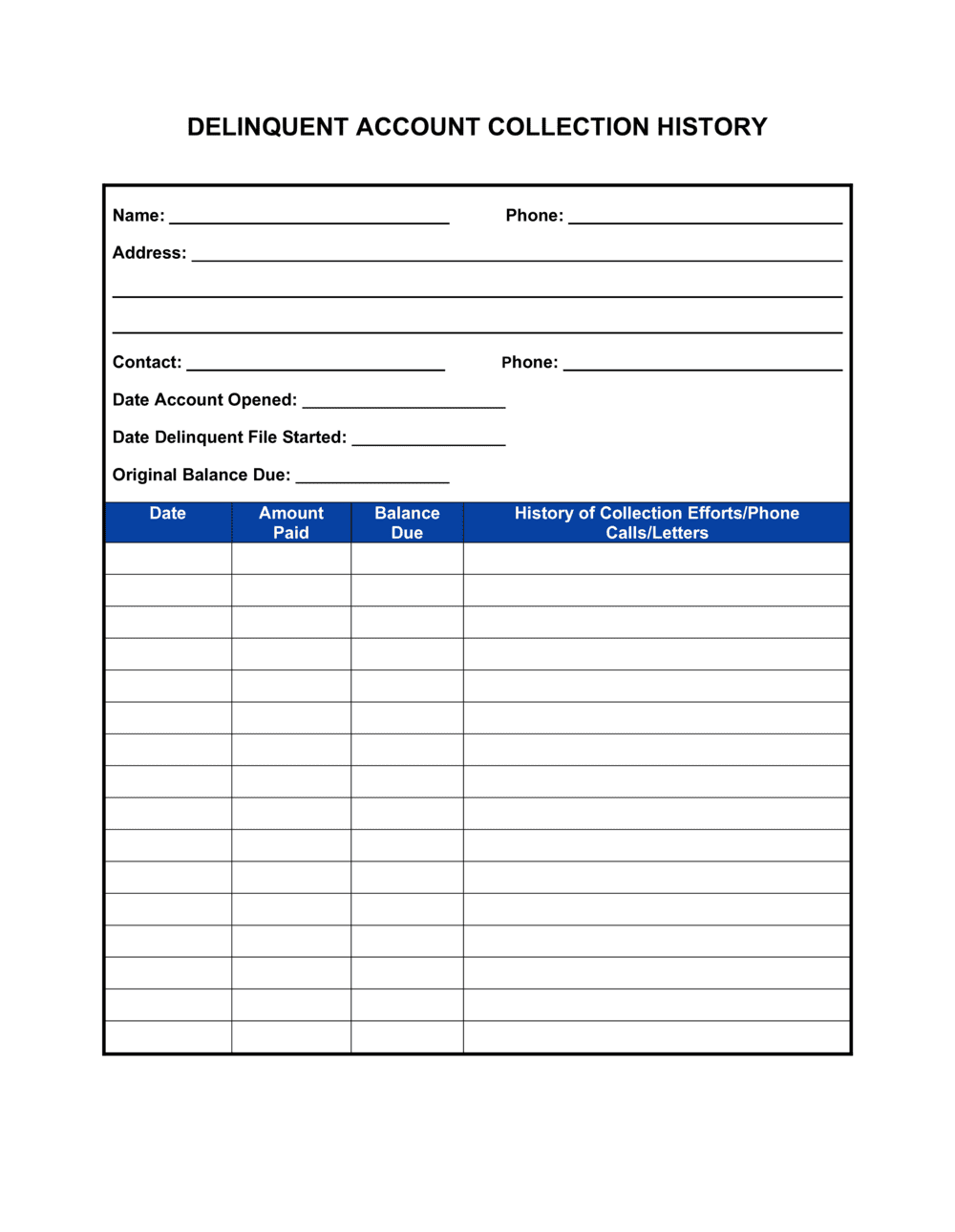
A Collection History for Delinquent Account is a formal record that documents every contact attempt, payment received, promise made, and escalation action taken against a debtor from the date an account becomes past due through final resolution. This free Word download gives creditors, collectors, and legal counsel a structured, legally defensible log they can edit online and export as PDF for internal records, court filings, or collection-agency handoffs.
When you need it
Use it the moment an account passes your agreed payment deadline and you begin active collection efforts. Consistent documentation from day one is required before escalating to a collection agency, filing suit, or issuing a formal demand letter.
What's inside
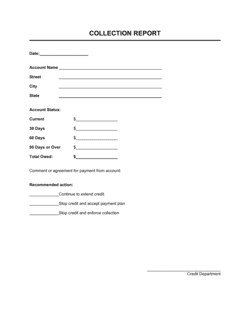
Account identification and original debt details, a chronological contact log with dates and outcomes, payment-promise tracking, escalation authorization, legal referral notes, and a final account status summary with a signature block for the responsible collector or account manager.

What is a Collection History for Delinquent Account?

A Collection History for Delinquent Account is a formal, chronological record that documents every action taken to recover a past-due debt — from the first missed payment through final resolution. It captures contact attempts with dates and outcomes, written notices sent with delivery confirmation, payment promises made and broken, disputes raised by the debtor, escalation decisions, and any legal or agency referral activity. Unlike a demand letter or settlement agreement, which are single documents sent at a point in time, the collection history is the continuous internal log that ties the entire recovery effort together into a legally defensible record.

The document functions simultaneously as an operational management tool, a compliance record, and a piece of potential evidence. Creditors use it to track active recovery workflows; legal counsel uses it to assess the strength of a debt-recovery claim before filing; regulators use it to verify that collection activity met statutory conduct requirements. In jurisdictions governed by the FDCPA and equivalent statutes, the absence of a contemporaneous collection history is itself a compliance risk — collectors who cannot demonstrate what they did, when they did it, and how they communicated are exposed to regulatory penalties and counter-claims from debtors.

Why You Need This Document

Every day that collection activity goes unlogged is a day that evidence disappears. Without a complete, signed collection history, a creditor pursuing a delinquent account in court cannot prove the timeline of contacts that triggered the debtor's obligation to respond, the sequence of broken payment promises that justify a judgment, or the notices that were legally required before escalation. Courts in most jurisdictions expect a continuous record from the date of first delinquency through the final resolution — a log that starts 60 days in or stops at agency referral creates gaps that defense attorneys target immediately.

Beyond litigation, an incomplete collection history exposes the business to regulatory risk. The FDCPA and its provincial and national equivalents carry per-violation penalties that can exceed the original debt value for systemic non-compliance. Banks, auditors, and tax authorities also require documented collection efforts before approving a bad-debt write-off, making the history essential for accounting as well as legal purposes. This template gives your accounts receivable team a structured starting point that meets the evidentiary and compliance requirements of every major jurisdiction — so every collection file is built correctly from day one.

Which variant fits your situation?

If your situation is…Use this template
Recovering a commercial B2B debt from a business customerCollection History for Delinquent Account (Commercial)
Notifying a debtor of a past-due balance for the first timeOverdue Payment Reminder Letter
Issuing a final demand before legal action or agency referralDemand for Payment Letter
Formally placing a delinquent account with a third-party collectorDebt Collection Authorization Letter
Settling the debt for less than the full balance owedDebt Settlement Agreement
Establishing a repayment plan with the debtor after delinquencyPayment Plan Agreement
Writing off an uncollectable account for accounting purposesBad Debt Write-Off Authorization Form

Common mistakes to avoid

❌ Starting the log weeks after delinquency begins

Why it matters: Gaps at the start of the collection record make it impossible to demonstrate the full timeline of collection efforts — courts and agencies look for continuous documentation from the first missed payment.

Fix: Open the collection history file on the first business day after a payment is missed and date the first entry to match the actual delinquency date.

❌ Logging only successful contacts and skipping failed attempts

Why it matters: An incomplete log suggests the creditor did not make a good-faith effort to reach the debtor, weakening the case for a judgment and creating FDCPA exposure if the collector claims more contact than the record shows.

Fix: Log every attempt — unanswered calls, bounced emails, returned mail — with date, time, method, and outcome marked as 'no contact.'

❌ Failing to document dispute responses in writing

Why it matters: If a debtor claims the debt is invalid and you respond verbally without a written record, you have no evidence of proper dispute handling — which is a regulatory requirement under the FDCPA and similar laws in other jurisdictions.

Fix: Respond to every dispute in writing within the legally required window (typically 30 days under the FDCPA), retain a copy, and log the response date and content in the collection history.

❌ Not updating the balance after each partial payment

Why it matters: A static balance figure creates a discrepancy between the collection history and accounting records — if the stated balance is higher than the actual amount owed, the creditor may be sued for over-collection.

Fix: Recalculate the outstanding balance after every payment is received, specify exactly how it was applied (fees, interest, principal), and enter the updated figure as a new line in the log dated the same day the payment posts.

❌ Closing the log at agency or legal referral

Why it matters: A collection history that ends at the referral date leaves the post-referral activity undocumented — which means any judgment or settlement achieved afterward has no contemporaneous record supporting it.

Fix: Continue updating the log through every post-referral milestone: agency acknowledgment, attorney engagement letter, court filing, judgment, and enforcement action.

❌ Collecting amounts not disclosed in the original agreement

Why it matters: Charging interest rates, late fees, or collection costs not expressly authorized by the original contract or applicable law exposes the creditor to counter-claims, regulatory fines, and potential class-action liability.

Fix: Review the original credit agreement or invoice terms before entering any fee or interest figure in the outstanding-balance clause, and confirm the rate is permitted under the governing state or provincial law.

The 10 key clauses, explained

Account identification and original debt details

In plain language: Records the debtor's legal name and contact information, the account number, the original balance, the invoice or contract reference, and the initial due date.

Sample language
Debtor: [DEBTOR FULL NAME / ENTITY NAME] | Account No.: [ACCOUNT NUMBER] | Original Balance: $[AMOUNT] | Invoice/Contract Ref.: [REFERENCE NUMBER] | Original Due Date: [DATE]

Common mistake: Omitting the account number or original contract reference — without a precise identifier, the log cannot be matched to accounting records or presented in court without additional proof steps.

Current outstanding balance

In plain language: States the balance owed as of the date of each log entry, including accrued interest, late fees, and any partial payments already received.

Sample language
Outstanding Balance as of [DATE]: $[AMOUNT] (Principal: $[X] | Accrued Interest @ [RATE]%: $[X] | Late Fees: $[X] | Less Payments Received: $[X])

Common mistake: Failing to update the balance after each partial payment — a running balance that doesn't reconcile with payment records undermines the creditor's legal claim for the correct amount.

Contact log entries

In plain language: A chronological table of every communication attempt — date, time, method (phone, email, letter, text), the name of the person contacted or the outcome if no contact was made, and a brief summary of the conversation.

Sample language
[DATE] [TIME] — [METHOD]: Spoke with [CONTACT NAME], title [TITLE]. Debtor stated [RESPONSE / EXCUSE]. Collector: [COLLECTOR NAME]. Next action: [FOLLOW-UP DATE AND ACTION].

Common mistake: Logging only successful contacts and omitting unanswered calls or undelivered emails — incomplete logs create gaps that defense counsel exploit to challenge the creditor's good-faith collection effort.

Promise-to-pay record

In plain language: Documents each instance where the debtor commits to paying a specific amount by a specific date, and records whether that promise was kept, broken, or renegotiated.

Sample language
PTP Date: [DATE] | Amount Promised: $[AMOUNT] | Promise-Due Date: [DATE] | Outcome: [KEPT / BROKEN / PARTIAL — $[AMOUNT] received on [DATE]]

Common mistake: Not recording broken promises with exact dates — a pattern of missed PTPs is critical evidence when seeking a judgment but is useless if not documented at the time they occur.

Correspondence and notice log

In plain language: Lists every written notice sent to the debtor — demand letters, dunning notices, validation notices — with the date sent, delivery method, and delivery confirmation.

Sample language
Notice Type: [DEMAND LETTER / VALIDATION NOTICE / FINAL NOTICE] | Date Sent: [DATE] | Delivery Method: [CERTIFIED MAIL / EMAIL / COURIER] | Confirmation: [TRACKING NUMBER / DELIVERY RECEIPT / READ RECEIPT]

Common mistake: Sending notices without retaining proof of delivery — courts and regulators require evidence the debtor actually received statutory notices before penalties or judgments can be enforced.

Escalation authorization

In plain language: Records the internal decision to escalate collection — to a supervisor, a collection agency, or legal counsel — including who authorized the escalation, the date, and the reason.

Sample language
Escalation Decision: [AGENCY REFERRAL / LEGAL REFERRAL / WRITE-OFF] | Authorized By: [NAME, TITLE] | Date: [DATE] | Reason: [ACCOUNT [X] DAYS PAST DUE / DEBTOR UNRESPONSIVE / PTP BROKEN [X] TIMES]

Common mistake: Escalating without written authorization from a supervisor or credit committee — unauthorized escalations can expose the business to counter-claims if the debtor disputes the referral.

Payments received and allocation

In plain language: Records every payment received during the collection period, the method, and how it was applied — first to fees, then interest, then principal, or per the original agreement.

Sample language
Payment Date: [DATE] | Amount: $[AMOUNT] | Method: [CHECK / ACH / WIRE / CASH] | Applied To: Fees $[X] | Interest $[X] | Principal $[X] | Remaining Balance: $[AMOUNT]

Common mistake: Failing to specify payment allocation — if a partial payment is received and not explicitly applied in writing, the debtor may later claim it reduced principal rather than fees, affecting the collectible balance.

Debtor responses and disputes

In plain language: Captures any written or verbal dispute raised by the debtor — including claims the debt is invalid, already paid, or belongs to another party — and the creditor's response and resolution.

Sample language
Dispute Date: [DATE] | Nature of Dispute: [DEBT ALREADY PAID / INCORRECT AMOUNT / IDENTITY DISPUTE] | Debtor Statement: [SUMMARY] | Creditor Response: [DATE AND ACTION TAKEN] | Resolution: [PENDING / RESOLVED — DATE]

Common mistake: Ignoring or informally resolving disputes without a written record — an undocumented dispute resolution is impossible to defend if the debtor later escalates to a regulatory complaint or lawsuit.

Legal referral and litigation notes

In plain language: Documents the referral to outside counsel or a judgment, including the attorney or firm engaged, the filing date, case number, and any court orders issued.

Sample language
Referred To: [LAW FIRM / ATTORNEY NAME] | Date Referred: [DATE] | Case Filed: [COURT NAME], Case No. [NUMBER], Filed [DATE] | Judgment Entered: $[AMOUNT] on [DATE] | Enforcement Action: [WAGE GARNISHMENT / BANK LEVY / LIEN — DATE]

Common mistake: Not updating the collection history after litigation begins — courts expect a continuous record through judgment; a log that stops at referral suggests the creditor stopped monitoring the account.

Final account status and collector signature

In plain language: States the final resolution of the account — collected in full, settled, written off, or referred — and is signed and dated by the responsible collector or account manager to create an authenticated record.

Sample language
Final Status: [PAID IN FULL / SETTLED FOR $[AMOUNT] ON [DATE] / WRITTEN OFF / REFERRED TO AGENCY] | Closed Date: [DATE] | Collector: [NAME, TITLE] | Signature: __________________ | Date: [DATE]

Common mistake: Closing the log without a signature — an unsigned collection history can be challenged as unauthenticated hearsay in court proceedings, requiring additional affidavit testimony to admit the record into evidence.

How to fill it out

  1. 1

    Complete the account identification block on day one of delinquency

    Enter the debtor's full legal name, address, account number, original invoice or contract reference, the original balance, and the date payment was first missed. This anchors the entire record.

    💡 Cross-reference the debtor's name against your contract or credit application to confirm the exact legal entity — suing the wrong entity wastes time and fees.

  2. 2

    Record the current outstanding balance with a full breakdown

    Enter principal, accrued interest at the contracted rate, any late fees permitted by your agreement, and subtract payments already received. Update this figure each time a payment is logged.

    💡 Confirm your late-fee and interest rates are disclosed in the original agreement — undisclosed fees are unenforceable in most jurisdictions and can trigger counter-claims.

  3. 3

    Log every contact attempt immediately after it occurs

    Record the date, time, method, and outcome of every call, email, letter, and text — including unanswered attempts. Note the name of anyone you spoke with and summarize their response in two to three sentences.

    💡 Log entries the same day they occur. Memory fades and reconstructed logs are easily challenged; a contemporaneous timestamp is your strongest credibility tool.

  4. 4

    Document every promise to pay with a follow-up date

    When a debtor commits to a payment, record the exact amount promised, the exact date promised, and set a calendar follow-up for the day after that date to record whether the promise was kept or broken.

    💡 A pattern of three or more broken PTPs is strong evidence of willful non-payment and can support an application for summary judgment in some jurisdictions.

  5. 5

    Retain and log all written correspondence with delivery confirmation

    For each notice sent — demand letter, validation notice, final notice — record the date, method, and proof of delivery such as a certified mail tracking number, courier receipt, or email read receipt.

    💡 Send all statutory notices by certified mail with return receipt requested, even if you also email them — postal confirmation is the gold standard in court and regulatory proceedings.

  6. 6

    Record escalation decisions with supervisor authorization

    When the account qualifies for escalation — typically after 60–90 days past due with broken PTPs — enter the escalation type, the name and title of the authorizing manager, and the stated reason.

    💡 Define your escalation thresholds in writing (e.g., 'agency referral after 90 days past due and two broken PTPs') so every account is treated consistently, reducing fair-lending or discriminatory-collection exposure.

  7. 7

    Update the log through legal referral and judgment

    If the account is referred to an attorney or agency, record the referral date, contact details, and case number when filed. Continue updating with court dates, judgment amounts, and enforcement actions.

    💡 Request written confirmation from your attorney each time a milestone occurs — filing date, hearing date, judgment date — and attach it to the collection file alongside this log.

  8. 8

    Close and sign the record when the account reaches final status

    Enter the final status (paid in full, settled, written off, or referred), the closing date, and have the responsible collector or account manager sign and date the document to authenticate it.

    💡 Retain the signed collection history for at least seven years — or the applicable statute of limitations plus two years, whichever is longer — in case the debt is later disputed or sold.

Frequently asked questions

What is a collection history for a delinquent account?

A collection history for a delinquent account is a formal, chronological record that documents every action taken to recover a past-due debt — contact attempts, payment promises, notices sent, escalation decisions, disputes raised, and the final resolution. It serves as the primary evidence trail for legal proceedings, regulatory compliance, and collection-agency handoffs.

Why is it important to maintain a collection history?

Without a documented collection history, creditors cannot prove the extent of their recovery efforts in court, comply with regulatory audit requests, or demonstrate that they followed required consumer protection procedures. Gaps in the record weaken legal claims, can result in a judgment being reduced or dismissed, and expose collection staff to personal liability under laws like the FDCPA.

When should I start the collection history?

Start logging on the first business day after a payment is missed — not after you have made several attempts. Courts and regulators measure the collection timeline from the original due date, so a history that begins 30 or 60 days into delinquency creates an unexplained gap that defense attorneys routinely exploit.

What laws govern debt collection practices in the United States?

The Fair Debt Collection Practices Act (FDCPA) governs third-party collectors pursuing consumer debts and imposes strict rules on contact timing, prohibited language, dispute rights, and cease-and-desist obligations. The Consumer Financial Protection Bureau (CFPB) enforces the FDCPA at the federal level. Many states — including California, New York, and Texas — layer additional requirements on top of the federal floor, so the applicable rules depend on both the debtor's location and the type of debt.

Does the FDCPA apply to business-to-business debt collection?

No — the FDCPA applies only to consumer debts (personal, family, or household purposes) collected by third-party collectors. Commercial or B2B debt collection is not covered by the FDCPA, though some states have enacted broader statutes that cover commercial debt. First-party creditors collecting their own consumer debts are also generally exempt from the FDCPA, though the CFPB has expanded certain rules to cover first-party conduct.

How long should I retain a collection history file?

Retain the complete collection history for at least seven years, or the applicable statute of limitations on the underlying debt plus two years — whichever is longer. In the US, the FDCPA permits consumers to sue collectors for up to one year from the violation date, but the underlying debt can often be pursued in court for three to six years depending on the state and the type of debt. Tax authorities may also require records supporting any bad-debt write-off for up to seven years.

Can a collection history be used as evidence in a lawsuit?

Yes, a contemporaneous, signed collection history is typically admissible as a business record under the business records exception to the hearsay rule in most jurisdictions — provided it was created at or near the time of each event by someone with firsthand knowledge. A log reconstructed after the fact or unsigned at closing is far more vulnerable to admissibility challenges and requires supporting affidavit testimony.

What is the difference between a collection history and a demand letter?

A demand letter is a single, outbound document sent to the debtor requiring payment by a specific deadline — it is one contact event in the collection process. A collection history is the master record that logs every event, including demand letters sent, responses received, and all other contacts. The demand letter goes to the debtor; the collection history stays in the creditor's file and is never sent to the debtor.

Do I need a lawyer to create and maintain a collection history?

For straightforward commercial accounts, a well-structured template is sufficient to maintain a compliant log. Legal review is advisable before escalating to litigation, when a debtor raises a formal dispute under the FDCPA or equivalent legislation, when the debt involves a consumer in a heavily regulated jurisdiction, or when the outstanding balance justifies the cost of professional oversight — typically anything above $5,000 with active dispute risk.

How this compares to alternatives

vs Demand for Payment Letter

A demand for payment letter is a single outbound notice sent to the debtor requiring payment by a fixed deadline — it is one event in the collection process. A collection history is the ongoing internal log that records every event, including demand letters sent. The letter goes to the debtor; the history stays in the creditor's file as the authoritative evidence trail.

vs Debt Settlement Agreement

A debt settlement agreement documents the final negotiated resolution — typically a lump-sum payment for less than the full balance — and releases the debtor from the remaining obligation. A collection history documents everything that happened before and leading up to that settlement. Both should be retained together in the account file.

vs Payment Plan Agreement

A payment plan agreement establishes a structured repayment schedule for a debtor who cannot pay the full balance immediately. It is a forward-looking contract. A collection history is a backward-looking record of what has already occurred. When a payment plan is agreed, the plan becomes an exhibit in the ongoing collection history and each installment is logged as it is received or missed.

vs Bad Debt Write-Off Authorization Form

A bad debt write-off authorization is an internal accounting document approving the removal of an uncollectable balance from accounts receivable. A collection history is the prerequisite for that authorization — it proves that reasonable collection efforts were made before the write-off was approved. Tax authorities and auditors typically require the collection history to substantiate a bad-debt deduction.

Industry-specific considerations

Financial Services and Lending

Consumer and commercial loan delinquency tracking must comply with FDCPA, CFPB Regulation F, and state-level consumer finance statutes; documentation of validation notices is mandatory within five days of first contact.

Healthcare

Medical debt collection requires HIPAA-compliant handling of any protected health information referenced in the account file, and several states have enacted additional restrictions on medical debt collection and credit reporting.

Property Management and Real Estate

Rent arrears collection logs are required before filing eviction proceedings in most jurisdictions and must demonstrate the landlord provided legally required notices at prescribed intervals before escalating to the court.

Wholesale and Manufacturing

B2B trade credit delinquencies often involve large balances with UCC security interests; the collection history must track lien perfection dates, collateral status, and any subordination agreements alongside payment activity.

Jurisdictional notes

United States

The FDCPA and CFPB Regulation F govern third-party consumer debt collection at the federal level, requiring a validation notice within five days of first contact and honoring cease-and-desist requests within one business day. State laws add significant requirements — California's Rosenthal Act, New York's Debt Collection Procedures Law, and Texas Finance Code Chapter 392 each impose stricter rules on contact frequency, required disclosures, and permissible communication hours. Statutes of limitations range from three years (e.g., California for written contracts) to six years (e.g., New York) depending on the debt type and state.

Canada

Debt collection is primarily regulated at the provincial level. Ontario's Collection and Debt Settlement Services Act, British Columbia's Business Practices and Consumer Protection Act, and Quebec's Act respecting the collection of certain debts each set rules on permitted contact times, prohibited conduct, and required registration for third-party collectors. Creditors must document all collection communications to demonstrate compliance with provincial regulations. Quebec adds a French-language requirement for all consumer-facing notices.

United Kingdom

The Financial Conduct Authority (FCA) regulates consumer credit and debt collection under the Consumer Credit Act 1974 and the FCA's Consumer Credit sourcebook (CONC). CONC requires collectors to treat customers fairly, provide clear information, and not use oppressive or deceptive conduct. Creditors must retain records of all collection activity for a minimum of three years after the account is closed. For commercial debt, the Late Payment of Commercial Debts (Interest) Act 1998 entitles creditors to statutory interest at 8% above the Bank of England base rate without a contractual provision.

European Union

The EU Consumer Credit Directive and the NPL (Non-Performing Loans) Directive 2021/2167 establish baseline rules for managing and servicing delinquent consumer credit across member states, with full transposition required by 2024. GDPR applies to any personal data recorded in the collection history — access is restricted to authorized personnel, retention periods must be defined and justified, and data subjects (debtors) retain rights to access and rectification. Member state rules vary considerably — Germany, France, and the Netherlands each have additional procedural requirements before court enforcement can be initiated.

Template vs lawyer — what fits your deal?

PathBest forCostTime
Use the templateCreditors managing commercial or consumer account collections where the debt is undisputed and under $10,000Free15–30 minutes to set up per account; ongoing logging of 5–10 minutes per contact event
Template + legal reviewConsumer debts subject to FDCPA, accounts with formal debtor disputes, or pre-litigation escalations above $5,000$300–$800 for a collections attorney review before escalation1–3 business days for review
Custom draftedHigh-value commercial collections, multi-jurisdiction debtors, secured-debt enforcement, or portfolios with systemic compliance exposure$1,500–$5,000+ for a collections law firm engagement1–4 weeks depending on complexity

Glossary

Delinquent Account
An account on which payment is overdue beyond the agreed due date — typically triggering collection procedures after 30, 60, or 90 days past due.
Collection Log
A chronological record of every contact attempt, outcome, and action taken to recover an outstanding debt.
Promise to Pay (PTP)
A verbal or written commitment from a debtor to pay a specific amount by a specific date — recorded in the collection history and followed up if missed.
Skip Tracing
The process of locating a debtor who has moved or become unreachable using public records, credit data, or professional search services.
Charge-Off
An accounting action where a creditor declares a debt unlikely to be collected and removes it from active accounts receivable — it does not eliminate the legal obligation to pay.
Statute of Limitations
The legally prescribed maximum period within which a creditor may file suit to collect a debt — after which the debt becomes time-barred.
FDCPA
The Fair Debt Collection Practices Act — the US federal law governing how third-party debt collectors may contact consumers, with strict rules on timing, language, and harassment.
Cease and Desist (Debt)
A written request from a debtor instructing a collector to stop all contact — legally required to be honored under the FDCPA, after which only specific communications are permitted.
Judgment
A court order establishing that a debtor legally owes a specific amount to a creditor, enabling wage garnishment, bank levies, or property liens.
Deficiency Balance
The remaining amount owed after collateral is liquidated — for example, the shortfall after repossessing and selling a vehicle for less than the outstanding loan balance.
Dunning
The systematic process of sending progressively escalating payment-reminder notices to a debtor at defined intervals before legal action.

Part of your Business Operating System

This document is one of 3,000+ business & legal templates included in Business in a Box.

  • Fill-in-the-blanks — ready in minutes
  • 100% customizable Word document
  • Compatible with all office suites
  • Export to PDF and share electronically

Create your document in 3 simple steps.

From template to signed document — all inside one Business Operating System.
1
Download or open template

Access over 3,000+ business and legal templates for any business task, project or initiative.

2
Edit and fill in the blanks with AI

Customize your ready-made business document template and save it in the cloud.

3
Save, Share, Send, Sign

Share your files and folders with your team. Create a space of seamless collaboration.

Save time, save money, and create top-quality documents.

★★★★★

"Fantastic value! I'm not sure how I'd do without it. It's worth its weight in gold and paid back for itself many times."

Managing Director · Mall Farm
Robert Whalley
Managing Director, Mall Farm Proprietary Limited
★★★★★

"I have been using Business in a Box for years. It has been the most useful source of templates I have encountered. I recommend it to anyone."

Business Owner · 4+ years
Dr Michael John Freestone
Business Owner
★★★★★

"It has been a life saver so many times I have lost count. Business in a Box has saved me so much time and as you know, time is money."

Owner · Upstate Web
David G. Moore Jr.
Owner, Upstate Web

Run your business with a system — not scattered tools

Stop downloading documents. Start operating with clarity. Business in a Box gives you the Business Operating System used by over 250,000 companies worldwide to structure, run, and grow their business.

Free Forever Plan · No credit card required