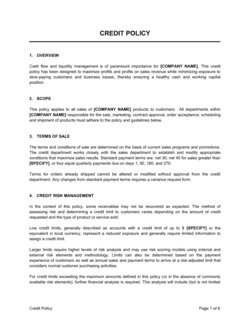
- Credit Limit
- The maximum outstanding balance a creditor authorizes the account holder to carry at any one time.
- Trade Credit
- A short-term financing arrangement in which a supplier allows a business buyer to purchase goods or services and pay at a later agreed date.
- Net Payment Terms
- Terms specifying that the full invoice balance is due within a stated number of days — e.g., Net 30 means payment is due 30 days after the invoice date.
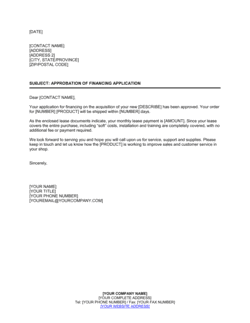
- Approbation
- Formal approval or sanction by an authorized party, confirming that an application or request has been reviewed and accepted.
- Event of Default
- A defined circumstance — such as missed payment, insolvency, or material misrepresentation — that entitles the creditor to suspend the account, demand immediate repayment, or pursue collection.
- Personal Guarantee
- A commitment by an individual (typically the business owner or principal) to personally repay the credit balance if the business fails to do so.
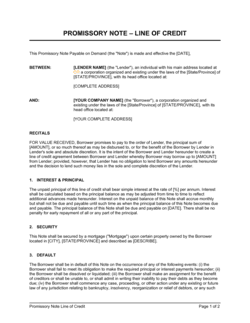
- Security Interest
- A creditor's legal right to take possession of specified collateral if the debtor defaults on payment obligations.
- Creditworthiness
- An assessment of a borrower's ability and likelihood to repay obligations, based on payment history, financial statements, and credit scores.
- Days Sales Outstanding (DSO)
- The average number of days a business takes to collect payment after a sale — a key metric creditors use to assess their own accounts-receivable health.
- Revolving Credit
- A credit arrangement in which the available balance replenishes as the borrower makes payments, up to the approved credit limit.
- Accounts Receivable
- Amounts owed to a business by customers who have purchased on credit — recorded as a current asset on the creditor's balance sheet.