14 Effective Strategies For Rapidly Expanding Your Email Subsciber List

Free Word download β€’ Edit online β€’ Save & share with Drive β€’ Export to PDF

12 pagesβ€’25–35 min to fillβ€’Difficulty: Complex
Learn more ↓
Free14 Effective Strategies For Rapidly Expanding Your Email Subsciber List Template

At a glance

What it is
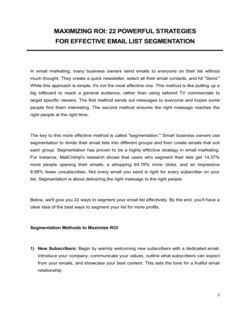
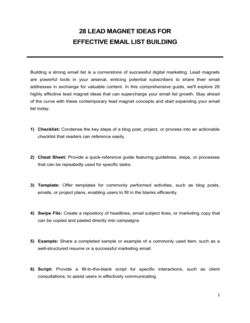
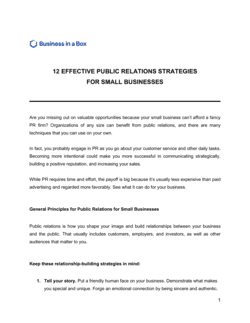
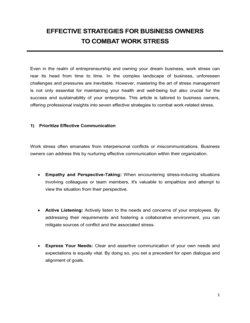
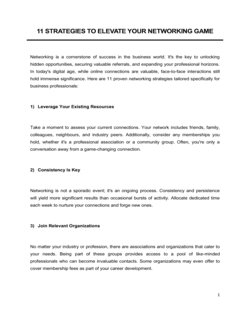
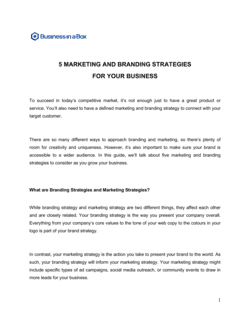
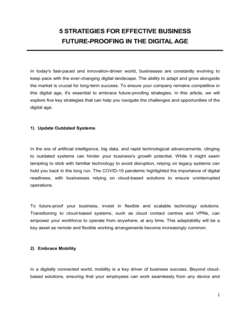
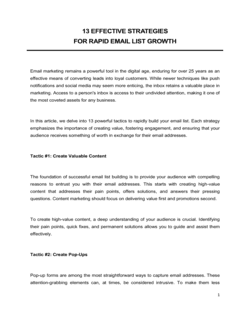
This is a structured Word template that documents 14 actionable strategies for growing an email subscriber list, covering lead magnets, opt-in form placement, referral programs, content upgrades, and more. It is a free download you can edit online and adapt to any business or campaign β€” turning a blank-page problem into a ready-to-execute growth playbook.
When you need it
Use it when launching a new email program, relaunching a stagnant list, planning a quarterly marketing campaign, or briefing a marketing team on list-growth priorities. It is equally useful before a product launch or when onboarding a new email marketing manager.
What's inside
The template covers lead magnet design, opt-in placement, social amplification, referral mechanics, landing page optimization, exit-intent tactics, content upgrade frameworks, and subscriber retention basics β€” each strategy paired with implementation guidance and success metrics.

What is a "14 Effective Strategies for Rapidly Expanding Your Email Subscriber List" template?

The 14 Effective Strategies for Rapidly Expanding Your Email Subscriber List template is a structured Word document that gives marketers, founders, and business owners a ready-to-execute playbook for growing an email list from scratch or accelerating an existing program. It organizes fourteen proven acquisition tactics β€” from lead magnet design and opt-in form placement to referral programs and paid channel management β€” into a single operational document complete with implementation guidance, example copy, and a metrics framework. Rather than leaving growth to trial and error, it codifies the decisions and configurations that determine whether a list-building effort converts site visitors, social followers, and partners into opted-in subscribers at scale.

Why You Need This Document

Email remains the highest-ROI digital marketing channel β€” averaging $36 in return for every $1 spent β€” but that return depends entirely on the size and quality of the list receiving your messages. Without a documented growth strategy, most businesses default to a single generic opt-in form and wonder why their list barely grows month over month. The cost of that gap is concrete: every product launch, sale, or content push reaches only the subscribers you have, not the audience you could have built. A scattered approach also wastes ad spend on paid acquisition without a CPL ceiling, creates duplicate or conflicting offers across the site, and leaves high-traffic pages converting at 1% when they could convert at 15% with a properly matched content upgrade. This template closes every one of those gaps β€” giving you a structured document to plan, prioritize, and measure fourteen growth levers simultaneously, so list building becomes a repeatable system rather than an afterthought.

Which variant fits your situation?

If your situation is…Use this template
Planning a full email marketing program from scratchEmail Marketing Plan
Designing a lead magnet and landing page for a single campaignLead Generation Plan
Mapping the post-subscribe nurture sequenceEmail Drip Campaign Template
Auditing an existing email program's performanceEmail Marketing Audit Report
Building a broader content marketing strategy to drive organic signupsContent Marketing Plan
Coordinating list growth across social and paid channelsDigital Marketing Plan
Documenting the full customer acquisition funnelMarketing Strategy Plan

Common mistakes to avoid

❌ Using a generic lead magnet for every audience segment

Why it matters: A broad ebook aimed at everyone converts at 1–3% on average. A hyper-specific checklist for a defined persona routinely converts at 15–25%.

Fix: Create at least one lead magnet per primary buyer persona and match each to the specific page or content type where that persona is most likely to appear.

❌ Tracking gross subscriber count instead of net list growth rate

Why it matters: A list that adds 500 subscribers per month but loses 450 to churn and unsubscribes is effectively flat β€” the gross number looks healthy while the asset deteriorates.

Fix: Report net growth rate (new subscribers minus unsubscribes and bounces, divided by starting count) as the primary KPI alongside open rate trend.

❌ Launching paid list-growth ads without a CPL ceiling

Why it matters: Without an agreed cost-per-lead ceiling, ad spend scales faster than subscriber value β€” a $12 CPL can become $40 within two weeks as audiences saturate.

Fix: Calculate subscriber LTV before any paid campaign launches and set the CPL ceiling at 25–40% of that figure, depending on expected time to first conversion.

❌ Asking for more than one field on a top-of-funnel opt-in form

Why it matters: Each form field beyond email address reduces submission rates by approximately 10–15%. A form asking for first name, company, phone, and email converts at a fraction of an email-only form.

Fix: Limit top-of-funnel opt-in forms to email address only. Collect additional profile data progressively through the nurture sequence after trust is established.

❌ Promoting signup links on social media only once

Why it matters: A single announcement post reaches a fraction of your followers due to algorithmic reach, and most of the remainder won't act on first exposure.

Fix: Promote each lead magnet across social channels on a rotating 4–6 week schedule, using different angles (testimonials, outcomes, behind-the-scenes creation) to keep it fresh.

❌ Skipping the double opt-in for GDPR or CASL-regulated audiences

Why it matters: Single opt-in lists in the EU, UK, and Canada expose senders to regulatory fines and result in lower engagement rates because unverified addresses inflate the list artificially.

Fix: Enable double opt-in for any audience in a consent-regulated jurisdiction and communicate the confirmation step clearly in the opt-in form copy so new subscribers expect it.

The 9 key sections, explained

Introduction and growth goals

Lead magnet strategy

Opt-in form placement plan

Social media amplification tactics

Referral and sharing program

Landing page optimization checklist

Content upgrade framework

Paid and partner acquisition channels

Metrics, testing, and optimization schedule

How to fill it out

  1. 1

    Set your baseline and growth targets

    Record your current subscriber count, your target count, the timeframe, and the business goal the list serves. Calculate the required monthly net-growth rate to hit the target.

    πŸ’‘ Express your target as a monthly net-growth rate (e.g., +8% per month) rather than a raw number β€” it accounts for churn and gives you an early warning if growth stalls.

  2. 2

    Identify and create your lead magnets

    Choose one lead magnet per primary persona. The best-performing formats are templates, checklists, and short how-to guides β€” assets visitors can use immediately.

    πŸ’‘ Test your lead magnet idea before building it: describe it in a social post or email and measure interest. Build only what your audience confirms it wants.

  3. 3

    Map opt-in form placements to visitor intent

    List every page type on your site and assign an offer to each based on the visitor's likely intent at that moment. A reader on a pricing page has different intent than one on a beginner's guide.

    πŸ’‘ Exit-intent popups on high-traffic blog posts typically outperform homepage hero forms by 2–3Γ— because they catch a visitor who has already demonstrated content interest.

  4. 4

    Define your social and referral distribution plan

    For each social channel, document the specific tactic (pinned post, bio link, story CTA), the frequency, and the offer being promoted. Write out the referral program incentive and the sharing flow.

    πŸ’‘ Rotate your lead magnet promotion across social channels on a 4–6 week cycle so the same audience sees different offers rather than the same one repeatedly.

  5. 5

    Audit and upgrade your top-traffic content

    Pull your top 10 pages by monthly organic traffic. For each, identify the most logical content upgrade β€” a template, checklist, or expanded guide that makes the existing content more actionable.

    πŸ’‘ A content upgrade embedded inline at the point in a post where the reader's need is highest converts at 3–5Γ— the rate of a generic sidebar opt-in.

  6. 6

    Set CPL targets before launching paid campaigns

    Calculate the acceptable cost per lead based on subscriber LTV β€” how much revenue a subscriber generates over their active life on the list. Set your CPL ceiling before any paid campaign goes live.

    πŸ’‘ For e-commerce lists, a CPL of 20–40% of first-purchase AOV is a reasonable starting ceiling for Facebook Lead Ads.

  7. 7

    Build the testing and optimization schedule

    Document which element you will test first (headline, CTA copy, offer, form placement), the sample size needed to declare a winner, and the monthly review date for overall list health metrics.

    πŸ’‘ Run one A/B test at a time per form placement. Testing headline and CTA copy simultaneously makes it impossible to attribute the result to either change.

  8. 8

    Review and iterate monthly

    At each monthly review, compare opt-in rate, CPL, churn rate, and list growth rate against targets. Pause tactics below target, double down on top performers, and introduce one new strategy per cycle.

    πŸ’‘ A churn rate above 2% per month signals either list hygiene problems (purchased or scraped addresses) or a welcome sequence that fails to set the right expectations.

Frequently asked questions

What are the most effective strategies for growing an email subscriber list?

The consistently highest-converting tactics are content upgrades on high-traffic pages, exit-intent popups with a specific lead magnet, and dedicated opt-in landing pages promoted via social and paid channels. Referral programs and newsletter swaps with complementary creators accelerate growth once you have an initial base of 500–1,000 engaged subscribers. This template documents 14 of these strategies with implementation guidance for each.

How quickly can I grow my email list using these strategies?

Results depend on existing traffic, offer quality, and execution consistency. Businesses with 10,000+ monthly site visitors who deploy five or more of these strategies simultaneously typically see 20–40% list growth in the first 60 days. Starting from zero, expect slower initial growth until traffic and social channels build momentum β€” most early-stage programs see meaningful acceleration after 90 days of consistent implementation.

What is a lead magnet and why does it matter for list growth?

A lead magnet is a free resource β€” a template, checklist, short guide, or tool β€” offered in exchange for a visitor's email address. It matters because it gives a site visitor a concrete reason to subscribe beyond generic newsletter interest. A well-matched lead magnet can increase opt-in conversion rates from 1–3% (generic signup form) to 10–25% on targeted pages. Specificity is the key driver β€” the narrower the lead magnet's topic relative to the visitor's current need, the higher the conversion rate.

Should I use single or double opt-in for my email list?

Double opt-in produces a smaller but more engaged and legally defensible list. It is effectively required for audiences in the EU (GDPR), UK (UK GDPR), and Canada (CASL) where consent must be demonstrably verifiable. Single opt-in grows a list faster but results in more bounces, lower open rates, and spam complaints. For most businesses outside heavily regulated jurisdictions, double opt-in is still the recommended default because list quality directly affects deliverability.

What opt-in form placement converts best?

Exit-intent popups on high-traffic blog posts and content upgrade forms embedded inline within posts (at the point of highest relevance) consistently outperform homepage hero forms and sidebar widgets. Sticky header bars perform well on mobile where sidebars are not visible. The highest-converting approach combines multiple placements with offers matched to each page's specific visitor intent.

How do I measure whether my list growth strategy is working?

Track four metrics monthly: net list growth rate (new minus churned, divided by starting count), opt-in conversion rate by placement, cost per lead for any paid channels, and 30-day subscriber open rate. A healthy program shows a net growth rate above 5% per month, an opt-in rate above 2% site-wide (higher for targeted landing pages), and a 30-day open rate above 25%. Deterioration in open rate while gross count grows signals a lead quality or nurture problem.

What is a content upgrade and how is it different from a general lead magnet?

A content upgrade is a lead magnet that is hyper-specific to the content a visitor is already consuming on a given page β€” for example, a downloadable checklist that expands on a blog post about onboarding. Unlike a general lead magnet promoted site-wide, a content upgrade is placed inline within the specific post it relates to. Because the offer matches the reader's exact current interest, content upgrades typically convert at 3–5Γ— the rate of a generic sidebar opt-in form.

Do I need paid advertising to grow my email list?

No β€” organic tactics like content upgrades, exit-intent popups, social promotion, and referral programs can grow a list to tens of thousands of subscribers without any paid spend. Paid channels (Facebook Lead Ads, Google Ads, sponsorships) are useful for accelerating growth when organic channels have been optimized and you have a confirmed cost-per-lead that is profitable relative to subscriber lifetime value. This template covers both organic and paid tactics so you can sequence them appropriately.

How often should I update my email list growth strategy?

Review performance monthly against your net growth rate and opt-in conversion targets. Conduct a full strategy refresh quarterly β€” retiring underperforming tactics, testing new lead magnet formats, and updating offers on high-traffic pages as content ages. Platform algorithm changes and audience fatigue mean a tactic that converts well for six months will typically need refreshing or replacing within 12 months.

How this compares to alternatives

vs Email Marketing Plan

An email marketing plan covers the full program β€” audience segmentation, campaign calendar, automation workflows, and performance reporting. This template focuses exclusively on the subscriber acquisition phase. Use this document to build the list, then use an email marketing plan to govern how you communicate with it.

vs Content Marketing Plan

A content marketing plan governs editorial strategy, content formats, channel distribution, and SEO priorities. Subscriber list growth is one outcome of a content plan but not its primary focus. This template is used alongside a content plan to convert the traffic that content generates into email subscribers.

vs Digital Marketing Plan

A digital marketing plan coordinates all online acquisition channels β€” paid search, social, SEO, email, and display. This template is a focused tactical playbook for one specific objective within that broader plan: growing the email subscriber count. Teams using a digital marketing plan should treat this as a supporting appendix for the email acquisition workstream.

vs Lead Generation Plan

A lead generation plan covers the full pipeline from awareness to sales-qualified lead, including MQL scoring, CRM integration, and handoff to sales. This template is narrower β€” it focuses specifically on top-of-funnel email capture, not the full lead qualification process. Use the lead generation plan when email is one of several lead channels feeding a sales team.

Industry-specific considerations

E-commerce and retail

Popup offers tied to cart abandonment, discount codes as lead magnets, and post-purchase subscriber onboarding that converts buyers into long-term list members.

SaaS and technology

Free tool or template lead magnets, in-app subscriber prompts, and product-led email capture through freemium sign-up flows with explicit newsletter opt-in.

Professional services

Thought-leadership content upgrades, webinar-based list growth, and referral programs targeting existing clients who recommend the firm to peers.

Media and publishing

Newsletter-first growth model where the email list is the core product, subscriber referral programs with tiered rewards, and metered content gating.

Template vs pro β€” what fits your needs?

PathBest forCostTime
Use the templateSmall business owners, content creators, and marketing managers executing list growth in-houseFree2–4 hours to complete; ongoing weekly execution
Template + professional reviewGrowing businesses that want a digital marketing consultant to validate their strategy and CPL targets before spending on paid channels$300–$1,000 for a one-time strategy review session1–2 weeks
Custom draftedBrands investing $5,000+ per month in list growth or agencies building a client's email program from the ground up$2,000–$8,000 for a full email growth strategy engagement3–6 weeks

Glossary

Lead Magnet
A free resource β€” checklist, ebook, template, or mini-course β€” offered in exchange for a visitor's email address.
Opt-In Form
A web form that captures a visitor's email address and consent to receive marketing communications.
Double Opt-In
A two-step confirmation process where a new subscriber must click a confirmation link in a follow-up email before being added to the active list.
Single Opt-In
A one-step subscription where the email address is added to the list immediately upon form submission, without a confirmation email.
Exit-Intent Popup
A form triggered when a visitor's cursor movement signals they are about to leave the page, used to present a last-chance opt-in offer.
Content Upgrade
A lead magnet that is hyper-specific to the content a visitor is already reading β€” such as a downloadable checklist that expands on a blog post.
Subscriber Churn
The rate at which subscribers unsubscribe or become inactive over a given period, reducing the effective size of the active list.
Conversion Rate (opt-in)
The percentage of page visitors who complete an opt-in form and join the subscriber list.
Referral Loop
A mechanism where existing subscribers are incentivized to share a signup link, bringing in new subscribers at no additional acquisition cost.
Gated Content
Content β€” a report, webinar recording, or tool β€” made accessible only after a visitor submits their email address.

Part of your Business Operating System

This document is one of 3,000+ business & legal templates included in Business in a Box.

  • Fill-in-the-blanks β€” ready in minutes
  • 100% customizable Word document
  • Compatible with all office suites
  • Export to PDF and share electronically

Create your document in 3 simple steps.

From template to signed document β€” all inside one Business Operating System.
1
Download or open template

Access over 3,000+ business and legal templates for any business task, project or initiative.

2
Edit and fill in the blanks with AI

Customize your ready-made business document template and save it in the cloud.

3
Save, Share, Send, Sign

Share your files and folders with your team. Create a space of seamless collaboration.

Save time, save money, and create top-quality documents.

β˜…β˜…β˜…β˜…β˜…

"Fantastic value! I'm not sure how I'd do without it. It's worth its weight in gold and paid back for itself many times."

Managing Director Β· Mall Farm
Robert Whalley
Managing Director, Mall Farm Proprietary Limited
β˜…β˜…β˜…β˜…β˜…

"I have been using Business in a Box for years. It has been the most useful source of templates I have encountered. I recommend it to anyone."

Business Owner Β· 4+ years
Dr Michael John Freestone
Business Owner
β˜…β˜…β˜…β˜…β˜…

"It has been a life saver so many times I have lost count. Business in a Box has saved me so much time and as you know, time is money."

Owner Β· Upstate Web
David G. Moore Jr.
Owner, Upstate Web

Run your business with a system β€” not scattered tools

Stop downloading documents. Start operating with clarity. Business in a Box gives you the Business Operating System used by over 250,000 companies worldwide to structure, run, and grow their business.

Free Forever PlanΒ Β·Β No credit card required