Thank You for Your Kind Comments Template

Free Word download β€’ Edit online β€’ Save & share with Drive β€’ Export to PDF

1 pageβ€’20–25 min to fillβ€’Difficulty: Standardβ€’Signature requiredβ€’Legal review recommended
Learn more ↓
FreeThank You for Your Kind Comments Template

At a glance

What it is
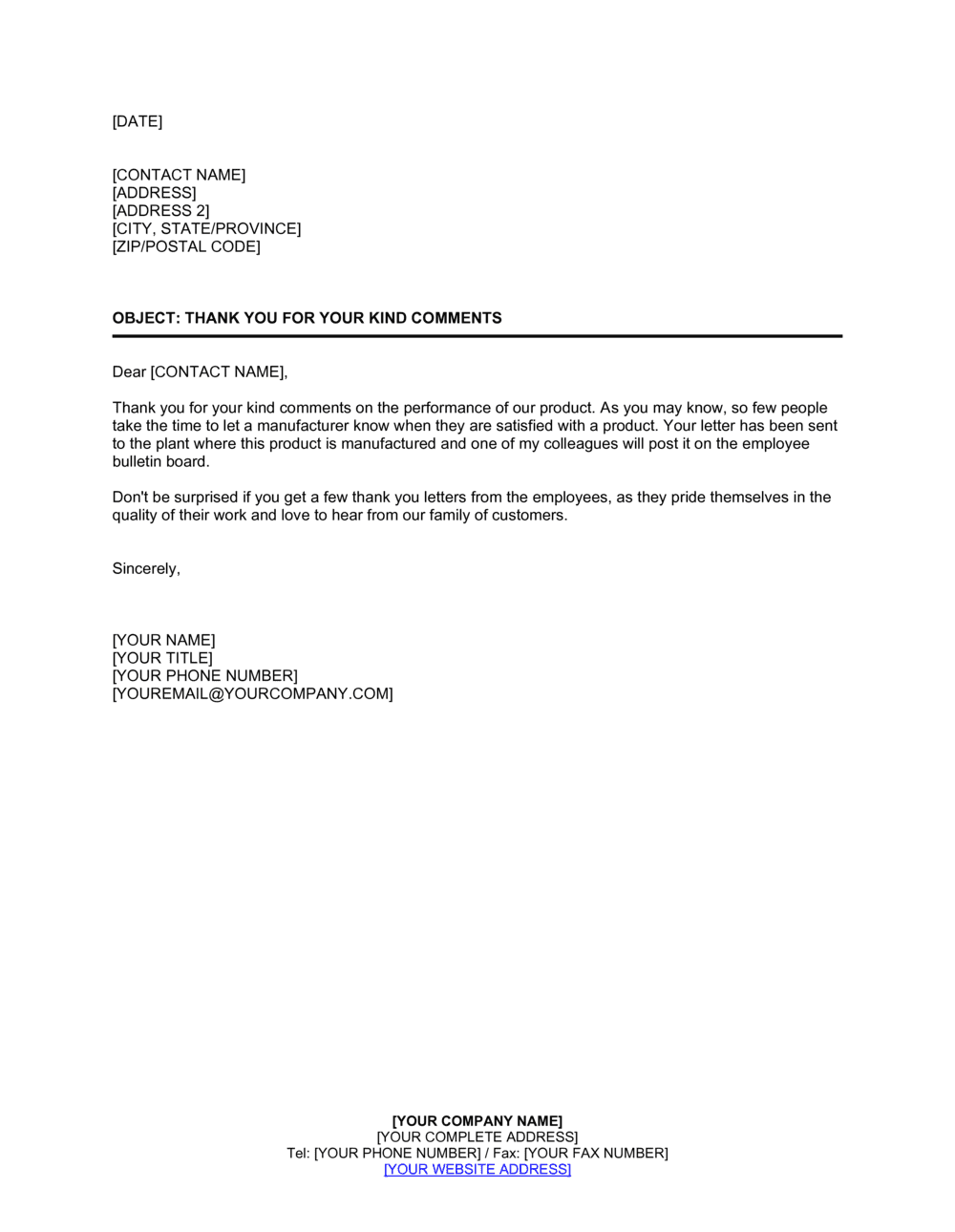
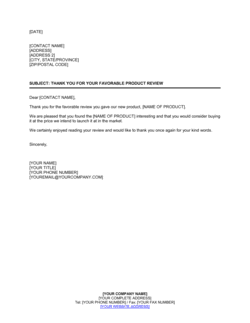
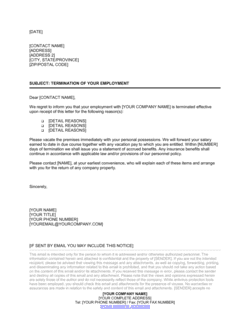
A Thank You For Your Kind Comments letter is a formal business correspondence document used to acknowledge and respond to positive feedback, compliments, or commendations received from customers, clients, partners, or the public. This free Word download gives you a professionally structured template you can edit online and export as PDF to send on company letterhead in minutes.
When you need it
Use it whenever a customer, client, or stakeholder provides unsolicited praise β€” through a letter, email, survey, online review, or referral β€” and a formal, signed acknowledgment is the appropriate response. It is especially important when the feedback involves a named employee, a public record, or a relationship you want to deepen.
What's inside
Sender and recipient details, a specific reference to the original comments received, a sincere and professional expression of gratitude, acknowledgment of the team or individual recognized, a statement reinforcing the company's service commitment, and a closing that invites continued engagement.

What is a Thank You For Your Kind Comments Letter?

A Thank You For Your Kind Comments letter is a formal business correspondence document sent by an organization to a customer, client, partner, or member of the public in response to unsolicited positive feedback they have provided. It acknowledges the specific praise received, expresses sincere gratitude on behalf of the company, and β€” where applicable β€” recognizes the employee or team the feedback pertains to. Written on official letterhead and signed by a named representative, it functions simultaneously as a relationship-building tool, a customer retention instrument, and a formal record of a meaningful exchange. Unlike an automated email acknowledgment, a properly drafted and signed letter demonstrates that the organization values the relationship enough to respond with care and personal attention.

Why You Need This Document

Failing to respond to positive customer feedback is a missed opportunity with measurable consequences. Customers who take time to write a compliment and receive no reply are less likely to repeat the behavior β€” and less likely to feel the loyalty that prompted the letter in the first place. A signed, personalized response on company letterhead communicates that the organization takes feedback seriously in both directions, not only when there is a complaint to manage. For businesses in regulated industries, the letter also creates a documented record of the exchange β€” relevant if the feedback is later cited in an employee performance review, a regulatory submission, or a dispute. If the letter includes any enclosures of value or references an ongoing service commitment, the written record protects both parties from ambiguity about what was promised. This template gives you a professionally structured starting point that takes less than 15 minutes to complete and projects the level of responsiveness that turns satisfied customers into long-term advocates.

Which variant fits your situation?

If your situation is…Use this template
Responding to a compliment about a specific employee's serviceThank You For Your Kind Comments (Employee Recognition)
Acknowledging a positive online review or testimonialResponse to Positive Online Review Letter
Thanking a client for a referral that resulted in new businessThank You For Your Referral Letter
Expressing gratitude for a business partnership or collaborationThank You For Your Business Letter
Acknowledging positive feedback received after a complaint was resolvedFollow-Up Appreciation Letter
Thanking a vendor or supplier for exceptional serviceVendor Appreciation Letter
Responding to a formal commendation from a regulatory body or associationResponse to Official Commendation Letter

Common mistakes to avoid

❌ Sending a generic, undated form letter

Why it matters: Recipients recognize a form response immediately, and it negates the relationship-building value of the correspondence. An undated letter also has no evidentiary value if the exchange is ever referenced.

Fix: Always date the letter and include at least one specific reference to the content of the original feedback β€” a single accurate detail transforms a form letter into a personal response.

❌ Omitting the sender's handwritten or authenticated electronic signature

Why it matters: A printed name without a signature on formal business correspondence signals the letter was auto-generated, reducing its credibility and personal impact with the recipient.

Fix: Ensure the letter is signed by the appropriate senior representative before dispatch. For high-volume correspondence, use a verified e-signature tool that applies an authenticated image signature.

❌ Turning the letter into a sales or marketing communication

Why it matters: Including promotional offers, upsell language, or a call-to-action to purchase undermines the goodwill purpose of the letter and can alienate a customer who simply wanted to be heard.

Fix: Restrict the content strictly to acknowledgment and gratitude. If a commercial follow-up is warranted, send a separate communication at a later date.

❌ Disclosing the customer's identity to an employee without consent

Why it matters: Sharing a customer's name and detailed comments with an employee without checking whether the customer consented can breach privacy expectations and, in some jurisdictions, data protection regulations.

Fix: Before naming the customer in any internal communication or employee recognition, confirm whether the customer's original feedback was provided under an expectation of anonymity and review your privacy policy.

The 9 key clauses, explained

Sender and recipient identification

In plain language: Identifies the business sending the letter, the recipient being thanked, and the date β€” establishing the formal record of correspondence.

Sample language
[COMPANY NAME] | [ADDRESS] | [CITY, STATE/PROVINCE, POSTAL CODE] | [DATE] | Addressed to: [RECIPIENT FULL NAME], [TITLE], [ORGANIZATION], [ADDRESS]

Common mistake: Using a first name only in the salutation without confirming the preferred form of address β€” this can feel overly familiar or incorrect if the recipient holds a professional title.

Reference to the original feedback

In plain language: Specifically identifies the feedback being acknowledged β€” the date it was received, the channel (letter, email, survey), and a brief summary of what was said.

Sample language
Thank you for your letter of [DATE] in which you expressed your kind comments regarding [SPECIFIC SERVICE / PRODUCT / EMPLOYEE NAME].

Common mistake: Using a generic opener like 'Thank you for your feedback' without referencing the specific comments received β€” this signals the letter is a form response and diminishes sincerity.

Expression of genuine gratitude

In plain language: The core of the letter β€” a warm, specific statement of thanks that reflects the company's appreciation without sounding scripted.

Sample language
We were genuinely delighted to receive your comments and are grateful that you took the time to share your experience with us. Feedback of this nature means a great deal to our entire team.

Common mistake: Over-using superlatives like 'absolutely thrilled' or 'incredibly honored' β€” excessive enthusiasm in formal correspondence reads as insincere and undermines the professional tone.

Acknowledgment of the individual or team recognized

In plain language: Names the specific employee, team, or department the feedback pertains to and notes that the recognition will be shared with them.

Sample language
Your comments regarding [EMPLOYEE NAME / TEAM NAME] have been shared with them directly. It is particularly rewarding to know that [SPECIFIC BEHAVIOR OR ACTION] made a positive impression.

Common mistake: Sharing the customer's commendation with an employee without first confirming whether the customer consented to having their identity disclosed β€” this can raise privacy concerns.

Reinforcement of service commitment

In plain language: A one- to two-sentence statement connecting the positive feedback to the company's broader service standards β€” reinforcing that the experience described is the intended norm, not an exception.

Sample language
Providing [TYPE OF SERVICE] of the highest standard is central to everything we do at [COMPANY NAME], and your kind words confirm that our team is delivering on that commitment.

Common mistake: Turning this clause into a marketing paragraph listing company achievements β€” it shifts focus away from the customer and undermines the relational purpose of the letter.

Invitation to continued engagement

In plain language: Encourages the recipient to return, refer others, or stay in contact β€” reinforcing the relationship without making a sales pitch.

Sample language
We look forward to continuing to serve you and hope you will not hesitate to contact us should you require any further assistance. We would be delighted to welcome you back at any time.

Common mistake: Including a promotional offer or discount code in this clause β€” it commoditizes the relationship and signals the thank-you letter is a retention tactic rather than a genuine acknowledgment.

Closing salutation and signature block

In plain language: The formal close of the letter β€” salutation, handwritten or electronic signature, printed name, title, and company name.

Sample language
Yours sincerely, [SIGNATURE] | [SENDER FULL NAME] | [TITLE] | [COMPANY NAME] | [DIRECT CONTACT DETAILS]

Common mistake: Signing with a printed name only and omitting a handwritten or authenticated electronic signature β€” on formal business correspondence, this weakens the personal quality the letter is designed to convey.

Copy notation (if applicable)

In plain language: Indicates whether a copy of the letter is being sent to a third party β€” such as the recognized employee's manager or HR file β€” using the standard 'cc:' notation.

Sample language
cc: [MANAGER NAME], [TITLE] | [HR DEPARTMENT / FILE REFERENCE]

Common mistake: Omitting the cc: notation when a copy is actually being placed in an employee's personnel file β€” the recipient and employee should be aware that the letter is being used as a formal record.

Enclosure notation (if applicable)

In plain language: Notes any documents enclosed with the letter β€” such as a copy of the original feedback, a certificate of recognition, or a complimentary voucher issued as a separate matter.

Sample language
Enc: Copy of original correspondence dated [DATE] | Certificate of Recognition β€” [EMPLOYEE NAME]

Common mistake: Listing an enclosure in the notation but forgetting to physically include it β€” always verify the contents of the envelope or email attachments before sending.

How to fill it out

  1. 1

    Add your company letterhead details

    Enter your company's full legal name, address, phone number, and email in the sender block. Confirm these match your official letterhead so the document looks consistent when printed or exported as PDF.

    πŸ’‘ Save a pre-filled master version with your letterhead details so future correspondence letters require only recipient and content updates.

  2. 2

    Enter the recipient's full name, title, and address

    Use the recipient's preferred name and correct professional title. If responding to a business letter, use the name and address exactly as they appear on the incoming correspondence.

    πŸ’‘ Verify the spelling of the recipient's name against the original letter or email before sending β€” a misspelled name on a thank-you letter is noticed immediately.

  3. 3

    Insert the date and a reference to the original feedback

    Date the letter the day you are writing it, and in the opening paragraph specifically reference the date and nature of the feedback received β€” letter, email, survey response, or online review.

    πŸ’‘ If the original feedback was received weeks ago, acknowledge the delay briefly: 'Please accept our apologies for the time it has taken to respond.'

  4. 4

    Personalize the expression of gratitude

    Replace the generic placeholder language with details specific to what the customer said. Name the product, service, or employee they praised, and mirror the specific positive observation they made.

    πŸ’‘ Reading the original feedback aloud before drafting this clause helps identify the one most meaningful detail to anchor the letter around.

  5. 5

    Name the employee or team recognized (if applicable)

    If the feedback names a specific employee, include their name and note that the recognition has been shared with them. Confirm with HR whether this letter will be placed in the employee's file before dispatching.

    πŸ’‘ Check your company's privacy policy before naming an employee in correspondence sent to an external party β€” some policies require employee consent.

  6. 6

    Insert the appropriate closing salutation

    Use 'Yours sincerely' when the recipient is named, and 'Yours faithfully' when the salutation is 'Dear Sir/Madam.' Include the sender's full printed name and job title below the signature.

    πŸ’‘ In North American business correspondence, 'Sincerely' or 'Best regards' is standard. 'Yours sincerely' and 'Yours faithfully' are more common in UK and Commonwealth correspondence.

  7. 7

    Add copy and enclosure notations if needed

    If a copy is being sent to a manager or placed in an employee's HR file, add the cc: notation. If any document is enclosed, list it under 'Enc:' at the bottom of the letter.

    πŸ’‘ Always double-check that any listed enclosures are physically attached before the letter leaves the office or is emailed.

  8. 8

    Sign and send on official letterhead

    Print and sign the letter with a wet signature, or apply a verified electronic signature. Send by post, email, or courier depending on the formality of the original feedback and your relationship with the recipient.

    πŸ’‘ For VIP clients or commendations that name a senior employee, a handwritten note from the CEO or managing director β€” even just a two-line addition β€” significantly elevates the impact.

Frequently asked questions

What is a thank you for your kind comments letter?

A thank you for your kind comments letter is a formal business correspondence document sent in response to unsolicited positive feedback received from a customer, client, partner, or member of the public. It acknowledges the specific praise, expresses genuine gratitude on behalf of the organization, and reinforces the company's commitment to service quality. Unlike an informal email reply, it is written on official letterhead, signed by a named representative, and retained as a formal record of the exchange.

When should a business send a thank you for kind comments letter?

Send it whenever a customer, client, or stakeholder provides meaningful positive feedback in writing β€” through a letter, email, survey, or formal review β€” and the relationship or the nature of the comments warrants a formal signed response. It is particularly appropriate when the feedback names a specific employee, when the sender is a VIP client, when the comments will be used in an employee recognition process, or when the feedback pertains to a service recovery situation that has been successfully resolved.

Does a thank you letter need to be signed?

Yes. A formal business thank you letter should be signed by a named representative β€” typically the customer service manager, operations director, or a senior executive depending on the relationship. A signature confirms authorship, adds personal weight, and distinguishes the letter from an automated acknowledgment. For high-value client relationships, a signature from the CEO or owner significantly increases the perceived sincerity of the response.

How soon after receiving positive feedback should the letter be sent?

Best practice is to respond within five to ten business days of receiving the original feedback. For VIP clients or public commendations, responding within two to three business days is preferable. If a delay is unavoidable, acknowledge it briefly in the opening paragraph. A well-crafted letter sent two weeks late still outperforms no response, but a prompt reply reinforces the impression of an attentive, customer-focused organization.

Can I use this letter to recognize an employee internally as well?

Yes. A copy of the letter β€” or a separate internal memo referencing it β€” can be placed in the employee's personnel file as a formal commendation. The letter's cc: notation should reflect this. Before sharing the customer's name and specific comments with the employee or their manager, confirm that the customer did not provide the feedback under an expectation of anonymity, and review your organization's data handling policy.

What is the difference between a thank you letter and an acknowledgment letter?

An acknowledgment letter confirms receipt of a communication, document, or event β€” its primary purpose is to create a paper trail. A thank you letter goes further: it expresses genuine gratitude, personalizes the response to the specific content of the feedback, and is designed to strengthen the relationship. Both should be dated, signed, and retained, but a thank you letter carries a relational purpose that a pure acknowledgment does not.

Should the letter be sent by post or email?

The appropriate channel depends on how the original feedback was received and the formality of the relationship. Feedback received by post warrants a response by post on official letterhead. Feedback received by email can be responded to by email with the letter attached as a signed PDF. For VIP clients, long-term business relationships, or public commendations, a physical letter sent by post carries more weight and is more likely to be retained by the recipient.

What tone is appropriate for a business thank you letter?

The appropriate tone is warm but professional β€” sincere without being effusive, personal without being informal. Avoid superlatives and marketing language. The letter should sound as though it was written by a thoughtful person who read the original feedback carefully, not generated by a template. Mirror the formality level of the incoming correspondence: a formal letter from a corporate client warrants a formal response; a warm note from a long-standing individual customer allows for a slightly warmer, less rigid tone.

How this compares to alternatives

vs Thank You For Your Business Letter

A thank you for your business letter is sent after a transaction is completed to express gratitude for a customer's patronage. A thank you for kind comments letter responds specifically to unsolicited positive feedback the customer initiated. The former is transactional; the latter is relational and reactive. Use the kind comments template when the customer has praised your service unprompted.

vs Customer Complaint Response Letter

A customer complaint response letter addresses a negative experience with an apology, explanation, and proposed remedy. A thank you for kind comments letter responds to positive feedback with gratitude and reinforcement. Both are formal business correspondence documents, but they serve opposite ends of the customer feedback spectrum. In a service recovery context, a kind comments letter may follow a complaint response once the issue is resolved.

vs Thank You For Your Referral Letter

A referral thank you letter acknowledges a customer who has actively directed new business to your organization β€” there is a specific transactional outcome to acknowledge. A kind comments letter responds to praise alone, with no referral or commercial exchange involved. The tone and content differ accordingly: referral letters often include a reciprocal gesture; kind comments letters do not.

vs Employee Commendation Letter

An employee commendation letter is an internal HR document addressed to the employee, formally recognizing their performance. A thank you for kind comments letter is addressed to the external customer or client who provided the feedback. The two documents serve related but distinct purposes and are often issued concurrently β€” the customer receives the kind comments letter; the employee receives the commendation.

Industry-specific considerations

Retail and hospitality

High volumes of customer feedback mean formal responses are typically reserved for written letters, named-employee commendations, and loyalty program members β€” where a signed response reinforces retention.

Healthcare and professional services

Positive feedback about clinical or professional staff is highly significant for employee morale and accreditation purposes; the letter often serves dual purpose as an HR commendation record.

Financial services

Regulatory environments require documented client communication records; a signed thank you letter forms part of the client file and demonstrates relationship management quality.

Public sector and nonprofits

Formal acknowledgment of donor, volunteer, or community commendations is expected as part of stewardship practices, and the letter may be shared with a board or funding body as evidence of stakeholder satisfaction.

Jurisdictional notes

United States

No federal law mandates a formal response to customer compliments, but written correspondence retained by both parties can be introduced as evidence in consumer protection or employment disputes. If the letter names an employee, be aware that some states have specific rules about what may be included in personnel files and whether the employee has a right to review such records. CCPA and state privacy laws may apply if the letter references customer data.

Canada

PIPEDA and provincial privacy legislation (including Quebec's Law 25) govern how customer information β€” including the content of their feedback β€” may be shared internally or referenced in written correspondence. If the customer's name or comments are shared with an employee or placed in a personnel file, confirm that the collection and use of that information is consistent with your privacy policy. French-language requirements apply to customer-facing correspondence in Quebec.

United Kingdom

UK GDPR and the Data Protection Act 2018 require that any personal data included in the letter β€” including the customer's name and the content of their feedback β€” is handled lawfully and with a valid legal basis. If a copy of the letter is placed in an employee's personnel file, the employee has a right to access it under Subject Access Request provisions. The Employment Rights Act 1996 gives employees the right to inspect certain documents in their personnel records.

European Union

EU GDPR applies to any processing of personal data contained in the letter, including the customer's name, contact details, and the specific content of their feedback. Data minimization principles mean the letter should not reference more personal information than necessary. If the letter is retained as a business record, ensure your retention policy covers customer correspondence and that the customer's data is not retained beyond the period necessary for the legitimate business purpose.

Template vs lawyer β€” what fits your deal?

PathBest forCostTime
Use the templateStandard customer appreciation responses, employee recognition letters, and routine positive feedback acknowledgmentsFree10–15 minutes per letter
Template + legal reviewLetters that include any promises, enclosures with monetary value, or references to ongoing disputes$50–$150 (brief legal or HR review)1–2 business days
Custom draftedHigh-stakes correspondence involving regulatory commendations, public record matters, or letters intended for use in legal or accreditation proceedings$200–$6002–5 business days

Glossary

Business Correspondence
Formal written communication between organizations, or between a business and its customers, conducted on official letterhead and retained as a record.
Commendation
A formal expression of praise or approval directed at a person, team, or organization for their conduct or performance.
Testimonial
A written or spoken statement from a satisfied customer or client endorsing a product, service, or person.
Goodwill Letter
A business letter written primarily to build or maintain a positive relationship rather than to transact business β€” thank-you letters are the most common form.
On-Letterhead Communication
A written document presented on official company stationery including the business name, address, logo, and contact details β€” creating a formal record.
Acknowledgment Letter
A letter confirming receipt of a communication, document, or event β€” used to close the loop and create a paper trail.
CRM (Customer Relationship Management)
The systems and practices a business uses to track, manage, and respond to customer interactions, including incoming feedback and correspondence.
Brand Voice
The consistent tone, language style, and personality a company uses across all written communications to reflect its identity and values.
Net Promoter Score (NPS)
A metric measuring customer loyalty and likelihood to recommend a business, typically captured through a single survey question scored 0–10.
Service Recovery
The process of responding to a customer complaint or issue in a way that restores satisfaction β€” positive follow-up letters are part of closing a service recovery loop.
Closing Salutation
The formal sign-off at the end of a business letter β€” such as 'Yours sincerely' or 'Best regards' β€” followed by the sender's signature and title.

Part of your Business Operating System

This document is one of 3,000+ business & legal templates included in Business in a Box.

  • Fill-in-the-blanks β€” ready in minutes
  • 100% customizable Word document
  • Compatible with all office suites
  • Export to PDF and share electronically

Create your document in 3 simple steps.

From template to signed document β€” all inside one Business Operating System.
1
Download or open template

Access over 3,000+ business and legal templates for any business task, project or initiative.

2
Edit and fill in the blanks with AI

Customize your ready-made business document template and save it in the cloud.

3
Save, Share, Send, Sign

Share your files and folders with your team. Create a space of seamless collaboration.

Save time, save money, and create top-quality documents.

β˜…β˜…β˜…β˜…β˜…

"Fantastic value! I'm not sure how I'd do without it. It's worth its weight in gold and paid back for itself many times."

Managing Director Β· Mall Farm
Robert Whalley
Managing Director, Mall Farm Proprietary Limited
β˜…β˜…β˜…β˜…β˜…

"I have been using Business in a Box for years. It has been the most useful source of templates I have encountered. I recommend it to anyone."

Business Owner Β· 4+ years
Dr Michael John Freestone
Business Owner
β˜…β˜…β˜…β˜…β˜…

"It has been a life saver so many times I have lost count. Business in a Box has saved me so much time and as you know, time is money."

Owner Β· Upstate Web
David G. Moore Jr.
Owner, Upstate Web

Run your business with a system β€” not scattered tools

Stop downloading documents. Start operating with clarity. Business in a Box gives you the Business Operating System used by over 250,000 companies worldwide to structure, run, and grow their business.

Start freeΒ Β·Β No credit card required