1
Gather the check details immediately
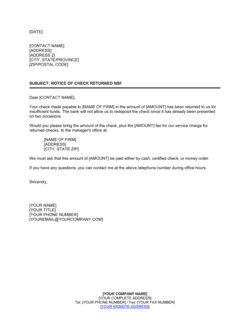
Before drafting the letter, pull the check number, issuance date, face amount, the bank the check was drawn on, and the exact date the bank returned it. Your bank's return notification or online account record will have all of these.
💡 Request the bank's official return reason code — it will indicate NSF specifically, which is important if the payee later questions whether the return was your fault or a bank error.
2
Identify the payee's correct legal name and address
Use the payee's full legal entity name (not a shortened or trade name) and their current mailing address. If you have an accounts-payable contact at their organization, address the letter to that person directly.
💡 Send the letter to both the AP contact and the payee's general business address. Dual delivery prevents the letter from sitting in a personal inbox unread.
3
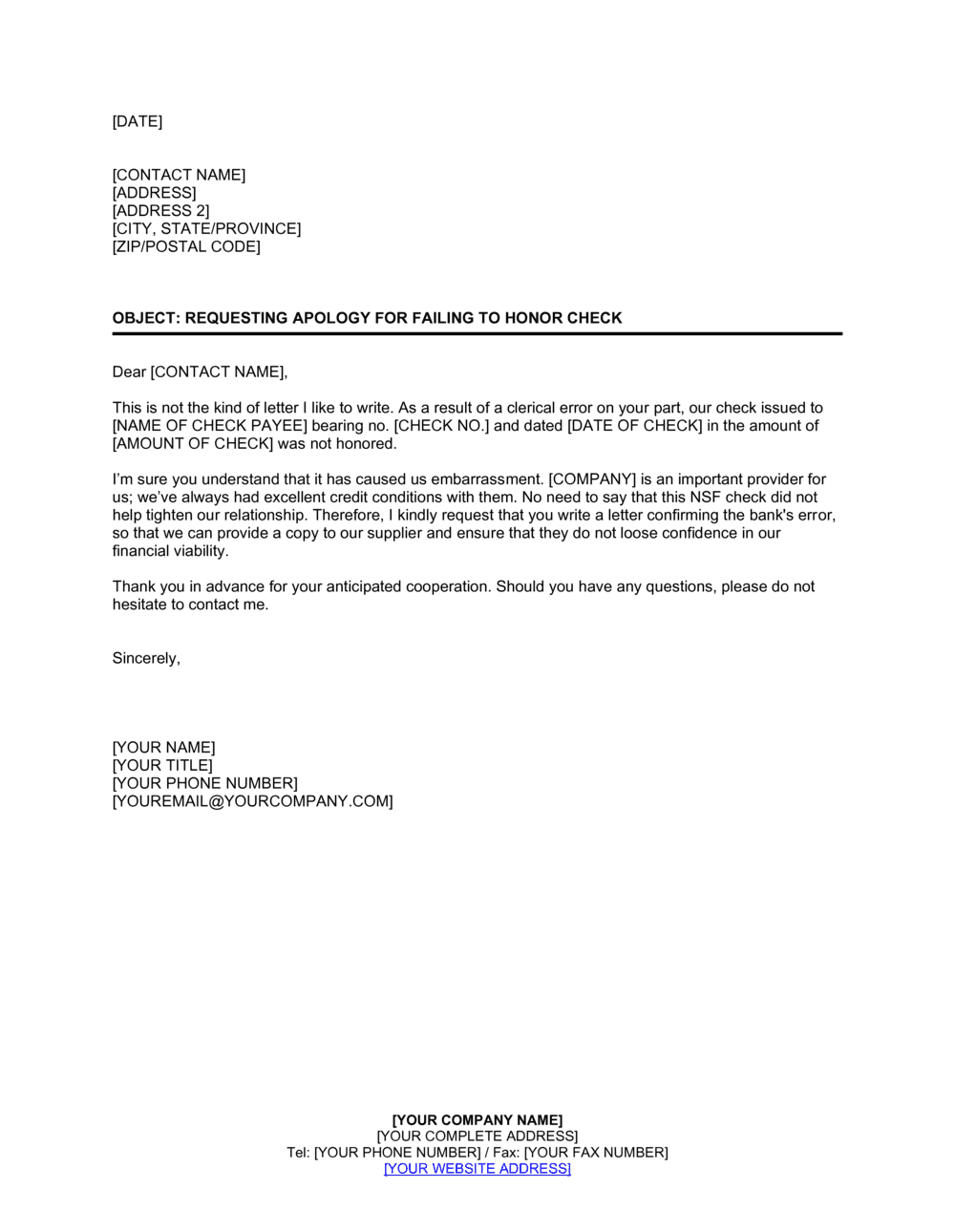
Write a specific explanation of the error
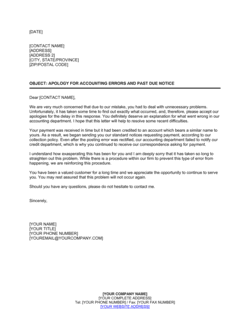
Identify the root cause precisely — a misfiled deposit, a bank processing delay, an erroneous debit, or a reconciliation oversight. One clear sentence is more effective than a paragraph of vague explanations.
💡 Avoid attributing the error to your bank unless you have written confirmation from them that a bank-side processing error occurred. Unsubstantiated blame creates disputes with both the payee and your bank.
4
Calculate and confirm the total remedy amount
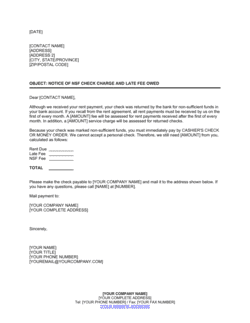
Add the original check amount to any NSF fees your payee was charged by their bank. Call or email your payee before finalizing the letter to confirm the exact fee amount, then include that total in the replacement payment clause.
💡 Always use a guaranteed payment method — wire transfer, certified check, or money order — for the replacement. A second returned check will almost certainly trigger legal action.
5
List the corrective actions you have already taken
Write out the specific steps completed before sending the letter — account reconciliation, corrected bookkeeping entries, bank alerts set, or internal process changes implemented.
💡 Corrective actions in the past tense ('we have reconciled') carry more weight than promises ('we will reconcile'). Take the actions first, then describe them.
6
Have an authorized officer sign the letter
The signatory should be someone with authority to bind the organization — a director, officer, or authorized manager. Include their full name, title, direct phone number, and email.
💡 If the replacement payment is a wire transfer, include the expected transfer confirmation number or initiation date in a follow-up email so the payee can track it.
7
Send by certified mail and email simultaneously
Send the signed letter by certified mail with return receipt requested to create a formal delivery record, and also email a PDF copy to the payee's AP contact on the same day.
💡 Retain the certified mail receipt and the email delivery confirmation in your accounts-payable files. If the matter escalates, you will need proof of timely delivery.