Notice of Check NSF 2 Template

Free Word download β€’ Edit online β€’ Save & share with Drive β€’ Export to PDF

1 pageβ€’15–25 min to fillβ€’Difficulty: Standard
Learn more ↓
FreeNotice of Check NSF 2 Template

At a glance

What it is
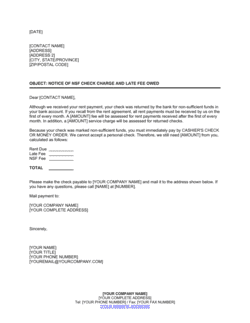
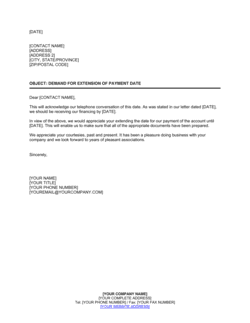
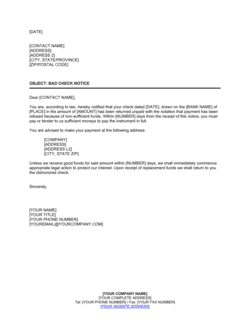
A Notice of Check NSF is a formal business letter sent to a customer or debtor informing them that a check they issued has been returned by their bank due to insufficient funds. This free Word download lets you fill in the check details, outstanding amount, applicable fees, and payment deadline, then send it by mail or email within minutes.
When you need it
Send it as soon as your bank notifies you of a returned check β€” typically within 1–5 business days of the dishonor. Prompt written notice is required by many state bad-check statutes as a precondition for pursuing statutory damages or filing a criminal complaint.
What's inside
Sender and recipient identification, returned check details (number, date, and amount), applicable NSF or bank fees, a specific payment deadline, accepted payment methods, and a statement of consequences for non-payment.

What is a Notice of Check NSF?

A Notice of Check NSF is a formal business letter sent to a check issuer informing them that their check has been returned by the bank marked non-sufficient funds β€” meaning there was not enough money in the account to cover the amount at the time of presentment. The letter identifies the specific check by number, date, and amount; itemizes the total now owed including any applicable bank return fees; and sets a firm deadline for the payor to remit replacement payment in certified funds. In most US states, sending this written notice by certified mail and allowing the statutory demand period to expire is a legal prerequisite to claiming civil statutory damages or initiating a criminal bad-check complaint.

Why You Need This Document

Without a written NSF notice on file, a bounced check becomes an informal dispute with no documented timeline β€” and you forfeit the statutory remedies that most states make available to payees who follow the correct process. A formal notice sent promptly after the bank return starts the demand clock, signals to the payor that you are serious, and creates the paper trail needed if the matter escalates to small claims court or a collections agency. Missing or poorly worded notices β€” those with the wrong deadline, excessive fees, or no delivery confirmation β€” commonly invalidate the entire statutory process. This template gives you a correctly structured letter in under ten minutes so you can focus on recovering what you are owed rather than researching notice requirements from scratch.

Which variant fits your situation?

If your situation is…Use this template
First notice immediately after the bank returns the checkNotice of Check NSF 2
Second or follow-up notice after no response to the firstSecond Notice of Returned Check
Formal demand threatening legal action after multiple ignored noticesDemand Letter for Payment
Notifying a tenant specifically about a returned rent checkReturned Check Notice to Tenant
Collecting any overdue balance beyond a returned checkPast Due Invoice Notice
Escalating to a collections agency or small claims courtCollections Referral Letter

Common mistakes to avoid

❌ Setting a deadline shorter than the state notice period

Why it matters: Most bad-check statutes require a minimum notice period β€” typically 10 to 30 days β€” before statutory damages are available. A shorter deadline disqualifies you from those remedies even if the payor never responds.

Fix: Look up the returned-check notice requirement for your state before setting the deadline. Add that number of days to the letter date and enter the resulting calendar date explicitly.

❌ Charging fees above the statutory maximum

Why it matters: States cap returned-check fees β€” commonly $25–$35 for the first occurrence and $35–$50 for subsequent ones. Overcharging can void your statutory damages claim and expose you to a counter-complaint.

Fix: Check your state's specific returned-check fee statute and ensure both your bank fee pass-through and any administrative charge stay within the permitted total.

❌ Sending the letter without certified mail or delivery confirmation

Why it matters: Without proof of delivery, the payor can claim they never received the notice, invalidating the demand period and blocking access to statutory penalties.

Fix: Send via USPS certified mail with return receipt requested and retain the green card as evidence. For high-value checks, send a copy by email simultaneously.

❌ Using vague payment instructions that allow another personal check

Why it matters: Accepting a second personal check as replacement exposes you to a second bounce, resets your collection timeline, and signals to the payor that your demands are negotiable.

Fix: Explicitly state in the letter that only certified funds β€” cashier's check, money order, or wire transfer β€” are acceptable for replacement payment.

The 9 key clauses, explained

Sender and recipient identification

In plain language: Opens the letter by identifying your business and the check issuer by full legal name and address so the document is traceable in any subsequent dispute.

Sample language
[YOUR COMPANY NAME] | [STREET ADDRESS, CITY, STATE, ZIP] | [DATE] | [CUSTOMER FULL NAME] | [CUSTOMER ADDRESS]

Common mistake: Using a nickname or trade name instead of the registered business name β€” mismatched names complicate debt collection and can render the letter inadmissible as evidence.

Subject line

In plain language: A brief reference line that immediately tells the recipient what the letter is about and identifies the specific check at issue.

Sample language
Re: Returned Check β€” Check No. [XXXX] dated [DATE] in the amount of $[AMOUNT]

Common mistake: Omitting the subject line entirely, which forces the reader to scan the full letter to understand the issue β€” increasing the chance the notice is dismissed as routine mail.

Notification of dishonor

In plain language: The core statement informing the recipient that their check has been returned by the bank and the reason given β€” most commonly NSF.

Sample language
We are writing to inform you that check number [XXXX], dated [DATE], in the amount of $[AMOUNT], issued to [YOUR COMPANY NAME], was returned by your bank marked '[NSF / ACCOUNT CLOSED / STOP PAYMENT]'.

Common mistake: Failing to state the specific reason the bank returned the check. If the issue is a closed account rather than NSF, the appropriate remedy and statutory options may differ.

Total amount owed

In plain language: A clear itemization of the original check amount plus any bank return fees and administrative charges now due.

Sample language
Original check amount: $[AMOUNT] | Bank NSF fee: $[FEE] | Administrative handling fee: $[FEE] | Total amount now due: $[TOTAL]

Common mistake: Charging an administrative fee that exceeds your state's statutory maximum for returned-check fees β€” excess fees can void your claim to statutory damages.

Payment deadline

In plain language: States the specific date by which the recipient must remit the full amount owed, triggering the demand period required by most bad-check statutes.

Sample language
You are required to remit the total amount of $[TOTAL] no later than [DATE β€” typically 10 to 30 days from the letter date].

Common mistake: Setting a deadline that is shorter than your state's mandatory notice period β€” doing so prevents you from later claiming statutory damages even if the payor ignores the notice.

Accepted payment methods

In plain language: Specifies which forms of payment you will accept as replacement, typically excluding personal checks.

Sample language
Payment must be made by cashier's check, money order, or wire transfer. Personal checks will not be accepted as replacement for a returned item.

Common mistake: Not excluding personal checks from acceptable payment methods, leaving open the possibility of receiving another check that bounces.

Consequences of non-payment

In plain language: Informs the recipient of the civil and potentially criminal steps you will take if payment is not received by the deadline.

Sample language
If payment is not received by [DATE], we reserve the right to pursue all available remedies, including civil action for the original amount plus statutory damages, collection costs, and attorney's fees as permitted by applicable law.

Common mistake: Threatening specific criminal action (e.g., 'we will file a criminal complaint') without having confirmed the filing procedures with your local district attorney's office β€” an empty threat reduces credibility.

Contact information and response instructions

In plain language: Tells the recipient exactly who to contact and how if they want to resolve the matter or dispute the notice.

Sample language
If you believe this notice has been sent in error, or to arrange payment, please contact [NAME] at [PHONE] or [EMAIL] no later than [DATE].

Common mistake: Omitting a direct contact β€” if the recipient genuinely wants to pay but cannot reach anyone, the dispute escalates unnecessarily.

Closing and sender's signature block

In plain language: Closes the letter formally and identifies the sender by name and title for accountability.

Sample language
Sincerely, [AUTHORIZED SIGNATORY NAME] | [TITLE] | [COMPANY NAME] | [PHONE] | [EMAIL]

Common mistake: Sending the letter without any named individual in the signature block β€” anonymous demand letters are taken less seriously and are harder to follow up on.

How to fill it out

  1. 1

    Enter your business details in the header

    Add your company's full legal name, mailing address, phone number, and the date of the letter to the top of the template.

    πŸ’‘ Use the same business name that appears on your bank account to keep records consistent.

  2. 2

    Fill in the recipient's full name and address

    Enter the check issuer's legal name and mailing address as they appear on the check or your customer records.

    πŸ’‘ Send via certified mail with return receipt requested β€” this creates a delivery record that is essential if you later pursue statutory damages.

  3. 3

    Complete the check details in the subject line and notification clause

    Enter the check number, issue date, and face amount exactly as printed on the returned check.

    πŸ’‘ Attach a photocopy of the front of the returned check to the letter so the recipient cannot claim they don't recognize it.

  4. 4

    Itemize all amounts owed

    List the original check amount, your bank's NSF return fee, and any administrative fee you charge separately, then calculate the total.

    πŸ’‘ Look up your state's maximum allowable returned-check fee before entering your administrative charge β€” exceeding it can void your right to statutory penalties.

  5. 5

    Set a specific payment deadline

    Calculate the deadline by adding the number of days required by your state's bad-check notice statute (commonly 10, 15, or 30 days) to the letter date and enter that date explicitly.

    πŸ’‘ If your state requires 30 days and you set 15, you lose access to statutory damages β€” always check the applicable statute before finalizing the date.

  6. 6

    Specify accepted payment methods

    State that payment must be by certified funds β€” cashier's check, money order, or wire transfer β€” and explicitly exclude personal checks.

    πŸ’‘ If you accept wire transfers, include your bank routing and account number in a separate secure communication, not in this letter.

  7. 7

    Review the consequences paragraph and add your contact details

    Confirm the consequences paragraph matches your actual intentions, then add the name, phone number, and email of the specific person the recipient should contact.

    πŸ’‘ Use a direct business email rather than a generic inbox to reduce the chance of a response being lost.

  8. 8

    Sign and send

    Have an authorized person complete the signature block with their name and title, then send the letter by certified mail and keep a copy in your AR file.

    πŸ’‘ Log the letter in your accounts receivable system the same day with the check details, total owed, and deadline date so follow-up doesn't slip.

Frequently asked questions

What is a notice of check NSF?

A notice of check NSF is a formal written letter sent to a person or business whose check has been returned by their bank due to insufficient funds. It identifies the specific check, states the total amount owed including any applicable fees, sets a payment deadline, and informs the recipient of the consequences of non-payment. It also typically serves as the legally required written demand that triggers the notice period under most state bad-check statutes.

Is a written NSF notice legally required before pursuing bad-check remedies?

In most US states, yes β€” the payee must send a formal written notice and allow the payor a specified period (commonly 10 to 30 days) to make the check good before pursuing civil statutory damages or initiating a criminal bad-check complaint. Sending this letter correctly β€” by certified mail, with the right deadline β€” is a precondition for accessing those remedies. Consult your state's specific bad-check statute for the exact requirements that apply.

How much can I charge for a returned check fee?

You can typically pass through the actual bank fee your institution charged for the return, plus an administrative handling fee. However, most states cap total returned-check fees β€” commonly between $25 and $50 depending on the occurrence. Charging more than the statutory cap can void your right to statutory damages. Check your state's consumer protection or bad-check law for the exact limit before adding any fee to this letter.

How long should I give the recipient to pay?

The deadline should match your state's mandatory notice period β€” most commonly 10, 15, or 30 days from the date the letter is sent. Setting a shorter deadline does not speed up your remedies; it actually removes them. Use the state-required minimum as your deadline, or give more time if you prefer, and always state a specific calendar date rather than a number of days.

What payment methods should I require as replacement for a bounced check?

Require certified funds only β€” a cashier's check, money order, or wire transfer. Explicitly exclude personal checks in the letter. Personal checks can bounce again and reset your collection clock. Cashier's checks and money orders are guaranteed by the issuing institution; wire transfers clear immediately and leave a traceable record.

Should I send an NSF notice by email or by mail?

Send the primary notice by USPS certified mail with return receipt requested β€” this creates the delivery proof that most state statutes require. You can also send a copy by email simultaneously to ensure faster awareness, but email alone does not satisfy the certified-mail requirement in most jurisdictions. Retain the return receipt card and a copy of the letter in your records.

What happens if the recipient ignores the NSF notice?

If the payor does not remit payment by the stated deadline, you typically have two options: file a civil claim in small claims court for the original amount plus statutory damages (often two to three times the check amount) and fees, or refer the matter to a collections agency. In cases where the check was written with knowledge of insufficient funds, you may also be able to file a criminal bad-check complaint with local law enforcement β€” procedures vary by state.

Can I use this letter for a check returned due to a closed account or stop payment?

Yes, with a modification. Change the reason stated in the notification clause from NSF to the actual reason the bank returned the check β€” either 'Account Closed' or 'Payment Stopped.' The consequences and legal remedies may differ slightly by reason: a check written on a knowingly closed account often carries stronger criminal exposure than a stop-payment order, which can have legitimate dispute-related reasons.

Do I need a lawyer to send an NSF notice?

For most standard returned-check situations β€” consumer or small business amounts under $5,000 β€” a well-completed template is sufficient. Engage a lawyer if the check amount is large enough to warrant a demand letter on legal letterhead, if you are preparing to file suit, or if the payor is represented by counsel. Legal review typically costs $100–$300 for a letter of this type.

How this compares to alternatives

vs Demand for payment letter

A demand for payment letter addresses any overdue balance β€” late invoices, unpaid fees, or broken payment plans. An NSF notice is specifically triggered by a dishonored check and serves the statutory notice function required by bad-check laws. Use the NSF notice first; escalate to a demand letter if the returned check amount remains unpaid after the notice period.

vs Past due invoice notice

A past due invoice notice reminds a customer that an invoice has not been paid by the due date. An NSF notice addresses a specific event β€” a check that was presented and rejected β€” and carries distinct legal consequences under bad-check statutes. The two documents address different collection problems and are not interchangeable.

vs Collections referral letter

A collections referral letter transfers the debt to a third-party agency after internal efforts have failed. An NSF notice is the first step in that internal process. Send the NSF notice and allow the demand period to expire before considering a collections referral.

vs Small claims court filing notice

A small claims filing notice informs the debtor that you are initiating court proceedings. An NSF notice precedes any litigation and is often a legal prerequisite to claiming statutory damages in small claims. Complete the NSF notice process before preparing any court filing.

Industry-specific considerations

Retail and E-commerce

High transaction volume means returned checks need a documented, repeatable notice process to satisfy state bad-check statutes and keep AR current.

Property Management

Returned rent checks require prompt formal notice to preserve eviction timelines and document the tenant's payment failure for lease-enforcement purposes.

Healthcare and Medical Billing

HIPAA-compliant handling of patient payment disputes means NSF notices must be carefully worded to avoid disclosing protected health information beyond what is necessary.

Professional Services

Freelancers and agencies use NSF notices to formally demand replacement certified-funds payment while preserving the client relationship with a professionally worded letter.

Template vs pro β€” what fits your needs?

PathBest forCostTime
Use the templateAny business or individual sending a first or second NSF notice for a check under $5,000Free10 minutes
Template + professional reviewChecks above $2,500, repeat offenders, or situations involving a closed account or suspected fraud$100–$300 for a brief attorney review1–2 business days
Custom draftedPre-litigation demand letters, high-value commercial checks, or multi-check disputes requiring formal legal letterhead$300–$8002–5 business days

Glossary

NSF (Non-Sufficient Funds)
A bank's designation for a check returned because the issuer's account balance was too low to cover the amount at the time of presentment.
Returned Check
A check that a bank declines to honor and sends back to the depositing institution, typically due to insufficient funds, a closed account, or a stop-payment order.
Dishonored Check
Any check that a bank refuses to pay upon presentment, regardless of the reason β€” synonymous with 'bounced check' in common usage.
NSF Fee
A fee charged by the recipient's bank β€” and sometimes also the issuer's bank β€” when a deposited check is returned unpaid.
Statutory Damages
Additional monetary penalties available to the payee under state bad-check laws, often two to three times the face value of the check, when the payor fails to make the check good within a required notice period.
Stop Payment
An instruction from a check issuer to their bank to refuse payment on a specific check; a check returned for stop payment is dishonored but not necessarily due to insufficient funds.
Demand Period
The number of days the payee must give the payor to cure a returned check before pursuing civil or criminal remedies β€” typically 10 to 30 days depending on the state.
Certified Funds
Payment in a form guaranteed not to bounce β€” such as a cashier's check, money order, or wire transfer β€” commonly required as replacement for a returned personal check.
Bad Check Statute
A state law that establishes civil and criminal penalties for knowingly issuing a check against insufficient funds and sets the notice requirements a payee must meet before asserting those penalties.
Accounts Receivable (AR)
Money owed to a business by customers for goods or services already delivered; a returned check reinstates the corresponding AR balance.

Part of your Business Operating System

This document is one of 3,000+ business & legal templates included in Business in a Box.

  • Fill-in-the-blanks β€” ready in minutes
  • 100% customizable Word document
  • Compatible with all office suites
  • Export to PDF and share electronically

Create your document in 3 simple steps.

From template to signed document β€” all inside one Business Operating System.
1
Download or open template

Access over 3,000+ business and legal templates for any business task, project or initiative.

2
Edit and fill in the blanks with AI

Customize your ready-made business document template and save it in the cloud.

3
Save, Share, Send, Sign

Share your files and folders with your team. Create a space of seamless collaboration.

Save time, save money, and create top-quality documents.

β˜…β˜…β˜…β˜…β˜…

"Fantastic value! I'm not sure how I'd do without it. It's worth its weight in gold and paid back for itself many times."

Managing Director Β· Mall Farm
Robert Whalley
Managing Director, Mall Farm Proprietary Limited
β˜…β˜…β˜…β˜…β˜…

"I have been using Business in a Box for years. It has been the most useful source of templates I have encountered. I recommend it to anyone."

Business Owner Β· 4+ years
Dr Michael John Freestone
Business Owner
β˜…β˜…β˜…β˜…β˜…

"It has been a life saver so many times I have lost count. Business in a Box has saved me so much time and as you know, time is money."

Owner Β· Upstate Web
David G. Moore Jr.
Owner, Upstate Web

Run your business with a system β€” not scattered tools

Stop downloading documents. Start operating with clarity. Business in a Box gives you the Business Operating System used by over 250,000 companies worldwide to structure, run, and grow their business.

Free Forever PlanΒ Β·Β No credit card required