1
Enter the seller and buyer legal entity details
Use full registered business names and billing addresses for both parties. Include the accounts payable or procurement contact for the buyer so the document reaches the right approver.
💡 Cross-check the buyer's legal name against their purchase order or company registration to avoid a mismatch that delays processing.
2
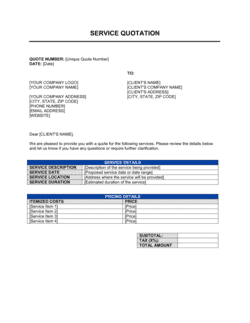
Assign a quotation number and set the issue date
Use a sequential numbering format such as QT-YYYY-NNNN and enter today's date. If this is a revised version, increment the number (e.g., QT-2026-0047-R1) rather than reusing the original.
💡 Store all issued quotation numbers in a register so you can instantly confirm which version a buyer accepted if a dispute arises later.
3
Set the validity period
Calculate an expiry date based on the volatility of your input costs. For stable-cost services, 30 days is standard. For commodity-dependent materials or currency-exposed work, 7–14 days is safer.
💡 Note the expiry date in your CRM as a follow-up trigger. Reaching out two days before expiry improves acceptance rates significantly.
4
Itemize the scope and pricing line by line
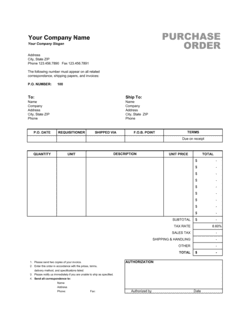
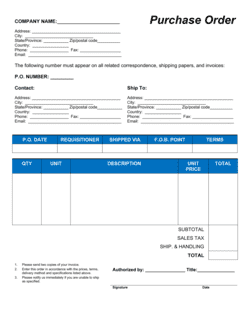
List every deliverable, material, or service on its own row with quantity, unit price, and line total. Avoid grouping unrelated items on a single line — each line should map to something the buyer can independently approve or reject.
💡 If the buyer has issued a formal RFQ, mirror their line-item numbering so your quotation is directly comparable to competing bids.
5
State taxes, surcharges, and total clearly
Confirm whether prices are tax-exclusive and calculate the applicable rate for the buyer's jurisdiction. Add shipping, fuel surcharges, or handling fees as separate lines before the final total.
💡 For international buyers, include the currency code (USD, CAD, GBP, EUR) next to every dollar figure — ambiguity on currency has voided contracts.
6
Define payment terms and deposit requirements
Set the deposit percentage, due date, and accepted payment methods. For projects over $5,000 or those requiring material procurement, require a minimum 30–50% deposit before mobilizing.
💡 Include your bank ACH or wire details directly on the quotation so the buyer can initiate payment immediately upon acceptance.
7
Specify the delivery timeline and conditions
Enter the estimated completion or delivery date and explicitly condition it on receipt of deposit and any buyer-supplied inputs. Name the shipping terms (FOB, delivered duty paid, etc.) for product orders.
💡 Build in a buffer of 10–15% over your internal estimate. Missing a delivery date stated in the quotation can constitute a breach even if the delay was minor.
8
List exclusions, get signatures, and file the executed copy
Add a specific exclusions list, complete the warranty block with a defined duration, and send the document for buyer signature. Store the countersigned copy in your project records before beginning any work.
💡 Never mobilize resources before the signed quotation and deposit are in hand — verbal approvals and emails are difficult to enforce and invite scope disputes.