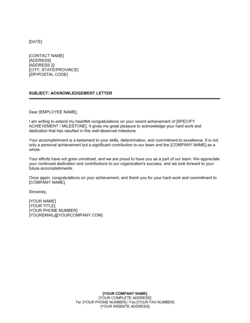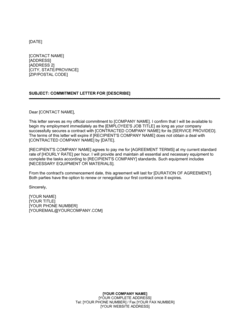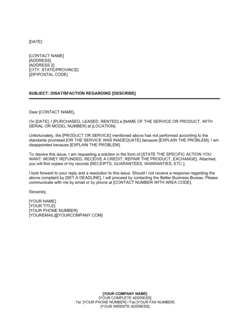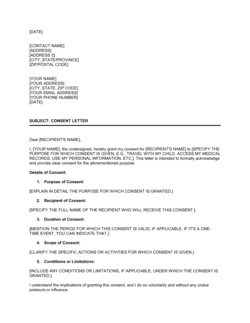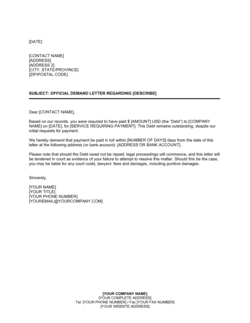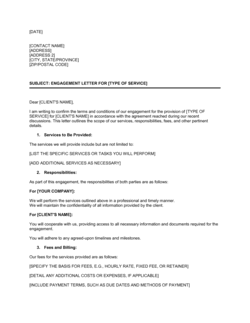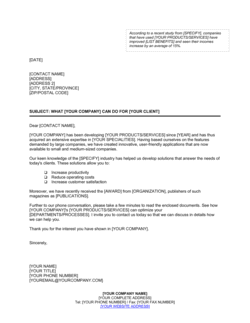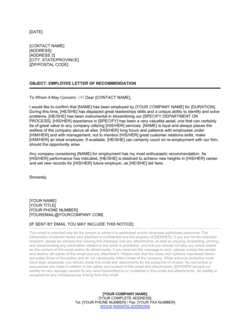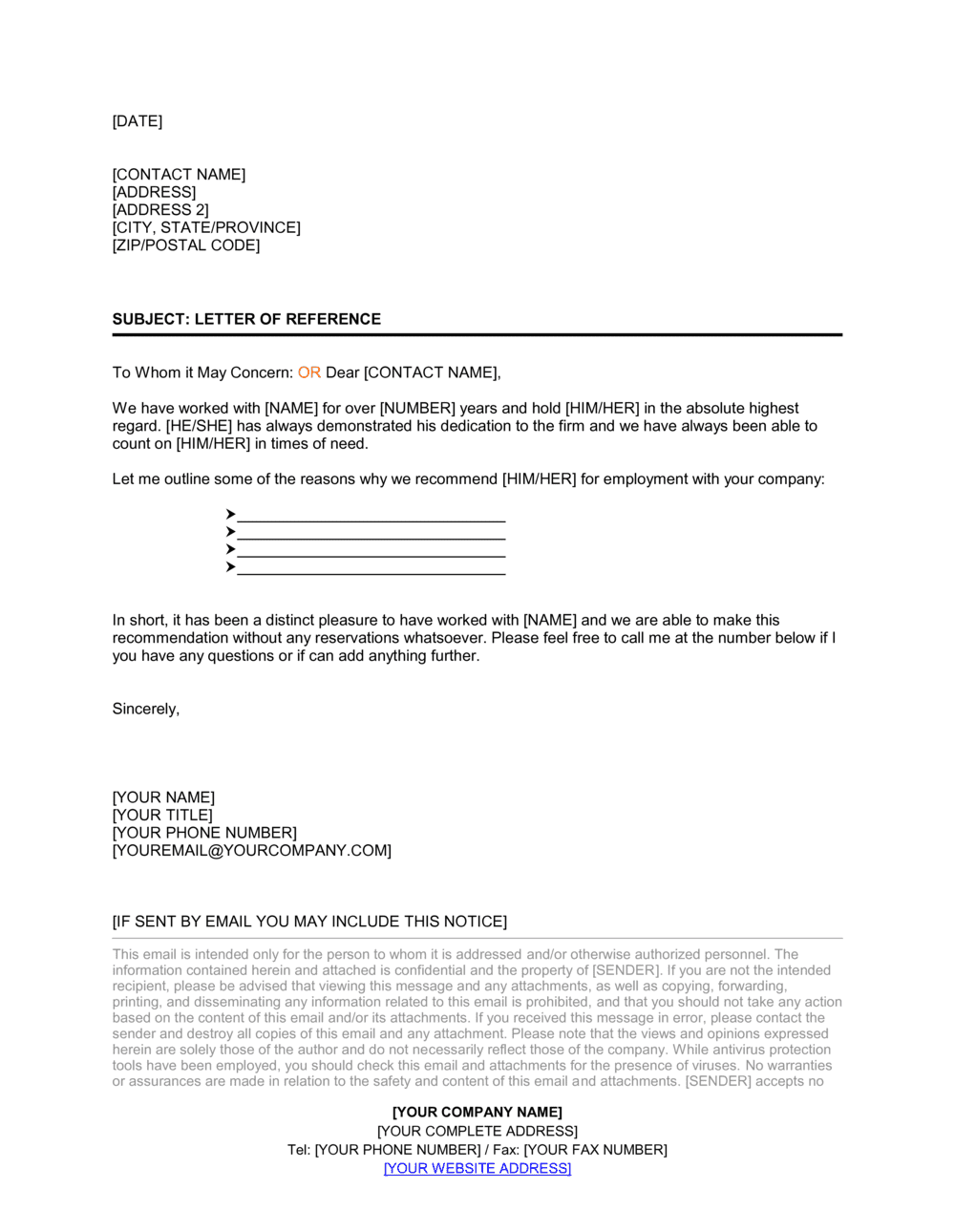
Letter of Reference_Short Template

Free Word download • Edit online • Save & share with Drive • Export to PDF

2 pages15–20 min to fillDifficulty: Standard
Learn more ↓
FreeLetter of Reference_Short Template

At a glance

What it is
A Letter of Reference Short is a concise, formal letter in which a writer vouches for an individual's professional abilities, character, or performance in one focused page. This free Word download gives you a ready-to-edit structure you can complete in under 15 minutes and export as PDF to send to employers, clients, institutions, or partners.
When you need it
Use it when someone asks you for a quick professional endorsement — a former employee applying for a new role, a vendor or supplier seeking a client testimonial, or a colleague who needs written validation of their skills for a specific opportunity.
What's inside
A dated header with sender and recipient details, an opening that states the relationship, one to two focused paragraphs endorsing specific qualities or achievements, and a closing with contact information for follow-up.

What is a Letter of Reference Short?

A Letter of Reference Short is a concise, one-page formal letter in which a referee — typically a manager, client, or professional colleague — endorses an individual's skills, work ethic, and character for a prospective employer, client, or institution. Unlike a lengthy recommendation letter, the short format focuses on one or two core strengths backed by a specific example, delivering a credible endorsement without demanding significant time from the writer or the reader. It functions as a portable professional voucher: evidence from someone with direct firsthand experience that the subject is capable, trustworthy, and worth engaging.

Why You Need This Document

Verbal references are easily forgotten, difficult to forward, and impossible to submit with a job application or vendor proposal. A written reference letter travels with the subject, arrives alongside their application, and gives the recipient something concrete to file and reference during a hiring or selection process. Without one, candidates and vendors rely entirely on the recipient proactively calling a reference — a step that is frequently skipped. For the referee, using a well-structured template ensures the letter covers the right ground quickly, avoids common pitfalls like hedging language or vague praise, and reflects professionally on both the writer and the subject. This template gets you from blank page to polished, signed PDF in under 15 minutes.

Which variant fits your situation?

If your situation is…Use this template
A former direct report needs a full letter for a senior roleLetter of Reference (Long)
An employee needs confirmation of employment dates and title onlyEmployment Verification Letter
A vendor needs a written recommendation from a satisfied clientBusiness Reference Letter
A tenant or individual needs a personal character endorsementCharacter Reference Letter
A job applicant needs a recommendation from a non-employer contactProfessional Reference Letter
A supplier needs a formal introduction letter for a new marketLetter of Introduction

Common mistakes to avoid

❌ Endorsing without a concrete example

Why it matters: A letter full of adjectives and no evidence reads as filler. Recipients weight specific, illustrated claims far more heavily than generic praise.

Fix: Include at least one specific project, result, or behavior that demonstrates the quality you are endorsing, even in a short letter.
❌ Hedging or qualifying the recommendation

Why it matters: Phrases like 'I believe she could succeed given the right environment' signal unspoken reservations and can hurt the subject more than no letter at all.

Fix: If you cannot write an unconditional recommendation, politely decline. A lukewarm letter is worse than no letter.

❌ Using a generic salutation when the recipient is known

Why it matters: 'To Whom It May Concern' on a directed application signals that the referee did not invest effort in writing a targeted letter.

Fix: Ask the subject for the recipient's name and title before writing, and address the letter to that person specifically.

❌ Omitting the referee's contact information

Why it matters: Recipients frequently want to verify the reference or ask follow-up questions. A letter with no callback details cannot be acted upon easily.

Fix: Include your direct email and phone number in both the header and the body's closing invitation to follow up.

The 8 key clauses, explained

Date and sender details

In plain language: The date the letter is written and the referee's full name, title, organization, and contact information — typically placed at the top.

Sample language
[DATE] | [REFEREE FULL NAME] | [TITLE], [ORGANIZATION] | [ADDRESS] | [EMAIL] | [PHONE]

Common mistake: Omitting the referee's contact details. If the recipient wants to follow up, a letter with no contact information appears incomplete and reduces credibility.

Recipient address or salutation

In plain language: Who the letter is addressed to — either a named individual and organization, or an open 'To Whom It May Concern' salutation for general use.

Sample language
To: [RECIPIENT NAME], [TITLE] | [ORGANIZATION] | [ADDRESS] — OR — To Whom It May Concern:

Common mistake: Using 'To Whom It May Concern' when you know the specific recipient. A named salutation signals effort and professionalism; a generic one can feel impersonal.

Opening statement of relationship

In plain language: The first paragraph identifies who the subject is, how the referee knows them, and for how long — establishing the credibility of the endorsement.

Sample language
It is my pleasure to recommend [SUBJECT NAME], who served as [ROLE] at [ORGANIZATION] from [START DATE] to [END DATE], reporting directly to me.

Common mistake: Starting with a vague opener like 'I am writing to recommend...' without immediately establishing the relationship. Busy readers need the context in the first sentence.

Core endorsement paragraph

In plain language: The central body of the letter describing the subject's key strengths, contributions, and qualities most relevant to the purpose of the reference.

Sample language
During [his/her/their] tenure, [SUBJECT NAME] consistently demonstrated [QUALITY], most notably [SPECIFIC EXAMPLE OR ACHIEVEMENT]. [He/She/They] was known for [CHARACTERISTIC] and delivered [RESULT].

Common mistake: Using only adjectives without a single concrete example. 'Hardworking and reliable' carries little weight without at least one specific achievement to support it.

Fit statement

In plain language: A short sentence or two connecting the subject's demonstrated qualities to the specific role, opportunity, or context for which they are being recommended.

Sample language
I am confident that [SUBJECT NAME]'s [RELEVANT SKILLS] make [him/her/them] an excellent fit for a [TYPE OF ROLE OR OPPORTUNITY] such as the one at [RECIPIENT ORGANIZATION].

Common mistake: Writing a generic fit statement that could apply to any candidate. Tailoring even one sentence to the actual opportunity makes the endorsement significantly more persuasive.

Unconditional recommendation

In plain language: A clear, unqualified closing statement recommending the subject without reservation — this signals the referee's full confidence.

Sample language
I recommend [SUBJECT NAME] without reservation and am confident [he/she/they] will be a strong asset to your team.

Common mistake: Including hedging language like 'I believe she could be a good fit with the right support.' Qualified language raises red flags; if you cannot recommend unconditionally, decline to write the letter.

Offer to provide more information

In plain language: A brief line inviting the recipient to contact the referee directly for further detail or clarification.

Sample language
Please feel free to contact me at [EMAIL] or [PHONE] if you have any questions or would like to discuss [SUBJECT NAME]'s qualifications further.

Common mistake: Omitting this line. Without it, recipients who have follow-up questions are left with no clear invitation to reach out, reducing the letter's practical usefulness.

Closing and signature block

In plain language: A professional sign-off followed by the referee's signature, printed name, title, and organization.

Sample language
Sincerely, | [SIGNATURE] | [REFEREE FULL NAME] | [TITLE] | [ORGANIZATION]

Common mistake: Using an overly casual closing such as 'Best' or 'Cheers' on a formal reference letter. 'Sincerely' or 'Respectfully' is appropriate for any formal business reference context.

How to fill it out

  1. 1

    Add the date and your contact details

    Enter today's date at the top of the letter along with your full name, job title, organization, mailing address, email, and phone number.

    💡 Save a version of the template pre-filled with your contact details so you only need to update the subject and recipient fields for future letters.

  2. 2

    Address the letter to the correct recipient

    Use a named individual and organization wherever possible. Reserve 'To Whom It May Concern' only for open references the subject will use across multiple applications.

    💡 Ask the subject for the name and title of the specific hiring manager or decision-maker — it takes one minute and noticeably improves the letter's reception.

  3. 3

    State your relationship in the opening line

    Identify the subject by name, explain how you know them (manager, client, colleague), and specify the duration of the relationship in the very first sentence.

    💡 The length of the relationship matters — 'I managed [NAME] for three years' carries more weight than 'I worked with [NAME] briefly.'

  4. 4

    Write the endorsement with one concrete example

    Describe the subject's most relevant strengths and include at least one specific achievement, project, or behavior that illustrates those qualities.

    💡 A single quantified result — 'reduced client onboarding time by 30%' — is more persuasive than three generic adjectives.

  5. 5

    Add a tailored fit statement

    Connect the subject's demonstrated qualities to the specific opportunity. Even one sentence referencing the role or organization makes the letter feel purpose-written.

    💡 Ask the subject to share the job description or a one-line summary of the opportunity before you write — it takes 30 seconds and dramatically improves relevance.

  6. 6

    Close with an unconditional recommendation and your contact

    End with a clear, unqualified recommendation statement and invite the recipient to contact you directly with questions. Sign with your full name and title.

    💡 Print and sign the letter if sending a hard copy or scanning for a formal application — a physical signature adds formality that an email sign-off does not.

Frequently asked questions

What is a short letter of reference?

A short letter of reference is a concise, one-page formal letter in which a referee endorses an individual's professional abilities, character, or work performance to a prospective employer, client, or institution. It covers the relationship context, one or two key strengths supported by evidence, and an unconditional recommendation — all in a single focused page.

How long should a letter of reference be?

A short letter of reference runs three to four paragraphs on a single page — roughly 200 to 350 words. This length is appropriate for most employment, vendor, and professional endorsement purposes. Longer letters (one to two pages) are typically reserved for academic applications, executive candidates, or complex professional contexts where depth is expected.

What is the difference between a letter of reference and a letter of recommendation?

The terms are used interchangeably in most professional contexts. Some institutions distinguish them by audience: a letter of reference tends to be written for employment or business purposes, while a letter of recommendation is more commonly associated with academic or scholarship applications. The structure and content are substantially the same.

Can a letter of reference be addressed 'To Whom It May Concern'?

Yes — an open reference addressed 'To Whom It May Concern' is appropriate when the subject will use the same letter across multiple applications or when the recipient is not yet known. However, when the recipient is a specific employer or organization, a named salutation is strongly preferred and produces a better impression.

Who should write a letter of reference?

The most credible referee is typically a direct supervisor or manager who can speak to performance from firsthand experience. Clients, senior colleagues, or professional mentors are also appropriate. References from personal friends or family members carry little weight in professional contexts unless the relationship also had a professional dimension.

Does a letter of reference need to be signed?

A handwritten or scanned signature is not legally required for a standard reference letter, but it adds formality and credibility, particularly for printed or PDF submissions. For electronic submissions, a typed name with title and contact details is generally sufficient. Some academic or regulated programs may require a wet signature.

What should I avoid writing in a letter of reference?

Avoid vague or unsubstantiated praise, hedging qualifications, negative comments framed as positives, and any statement that could expose you to defamation liability. Do not include personal details unrelated to professional performance, such as age, health, or family situation. If you cannot write a genuinely positive reference, it is better to decline than to write a letter that inadvertently harms the subject.

How do I decline a request to write a letter of reference?

Decline politely and promptly. A simple response such as 'I don't feel I am the best positioned to write this reference on your behalf' is honest without requiring explanation. Giving the subject time to find another referee is the most professional approach. Never agree to write a letter you cannot genuinely endorse.

How this compares to alternatives

vs Letter of Reference (Long)

A long letter of reference runs one to two pages and provides detailed coverage of the subject's history, multiple achievements, and suitability for a specific senior role. Use the short version for standard employment references, vendor endorsements, and general professional use. Reserve the long version for executive candidates, academic applications, or situations where the referee has extensive firsthand knowledge to document.

vs Employment Verification Letter

An employment verification letter confirms factual employment details — dates of service, job title, and employment status — without evaluating performance or character. A letter of reference goes further by endorsing the individual's qualities and recommending them for future opportunities. Use verification for background checks; use a reference when the subject needs an advocate, not just a record.

vs Letter of Introduction

A letter of introduction presents someone to a new contact for networking or business development purposes — it opens a door rather than evaluating past performance. A letter of reference is a formal endorsement that speaks to demonstrated ability and character. Use an introduction when making a warm connection; use a reference when the subject needs credentialed validation.

vs Recommendation Letter for Employee

A recommendation letter for an employee is typically more detailed and role-specific, often written as part of a formal HR or promotion process. A short letter of reference is a general-purpose endorsement suitable for any professional context. Use the recommendation letter when the subject's specific performance metrics and role history need to be documented at length.

Industry-specific considerations

Professional Services

Used to recommend departing consultants, attorneys, or advisors to prospective clients or firms, where professional reputation directly influences client confidence.

Technology / SaaS

Commonly written by engineering managers or CTOs for developers, product managers, or designers transitioning to new roles in a highly competitive talent market.

Retail / Hospitality

High staff turnover makes short reference letters a routine operational document, often written quickly for hourly and supervisory employees moving to comparable roles.

Construction and Trades

Subcontractors and tradespeople frequently request brief reference letters from general contractors or project managers to demonstrate reliability and quality for new bids.

Template vs pro — what fits your needs?

PathBest forCostTime
Use the templateManagers, business owners, and professionals writing standard one-page references for employees, colleagues, or vendorsFree10–15 minutes
Template + professional reviewReferences for senior hires or regulated professions where precise language matters$0–$100 (brief review by HR or legal)30–60 minutes
Custom draftedHighly formal academic, legal, or executive-level reference situations with specific institutional requirements$100–$300 (professional writer or HR consultant)1–2 days

Glossary

Referee
The person writing the letter of reference on behalf of the subject.
Subject
The individual being recommended or endorsed in the letter.
Recipient
The person or organization that will receive and evaluate the reference letter.
Open reference
A reference letter addressed 'To Whom It May Concern,' intended for general use rather than a specific recipient.
Directed reference
A reference letter addressed to a named individual or organization for a specific opportunity or role.
Employment verification
Confirmation of an individual's job title, employment dates, and status — distinct from a reference, which evaluates performance and character.
Waiver of right to review
A candidate's formal statement that they will not read their own reference letter, often required by graduate programs or formal hiring processes.
Professional conduct
Demonstrated adherence to the standards of behavior, ethics, and competence expected within a professional context.

Part of your Business Operating System

This document is one of 3,000+ business & legal templates included in Business in a Box.

  • Fill-in-the-blanks — ready in minutes
  • 100% customizable Word document
  • Compatible with all office suites
  • Export to PDF and share electronically

Create your document in 3 simple steps.

From template to signed document — all inside one Business Operating System.
1
Download or open template

Access over 3,000+ business and legal templates for any business task, project or initiative.

2
Edit and fill in the blanks with AI

Customize your ready-made business document template and save it in the cloud.

3
Save, Share, Send, Sign

Share your files and folders with your team. Create a space of seamless collaboration.

Save time, save money, and create top-quality documents.

★★★★★

"Fantastic value! I'm not sure how I'd do without it. It's worth its weight in gold and paid back for itself many times."

Managing Director · Mall Farm
Robert Whalley
Managing Director, Mall Farm Proprietary Limited
★★★★★

"I have been using Business in a Box for years. It has been the most useful source of templates I have encountered. I recommend it to anyone."

Business Owner · 4+ years
Dr Michael John Freestone
Business Owner
★★★★★

"It has been a life saver so many times I have lost count. Business in a Box has saved me so much time and as you know, time is money."

Owner · Upstate Web
David G. Moore Jr.
Owner, Upstate Web

Run your business with a system — not scattered tools

Stop downloading documents. Start operating with clarity. Business in a Box gives you the Business Operating System used by over 250,000 companies worldwide to structure, run, and grow their business.

Free Forever Plan · No credit card required