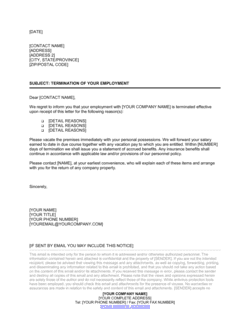
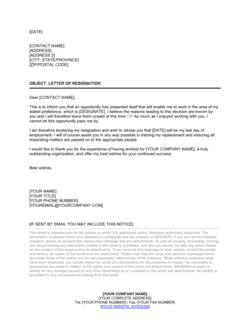
Request for Character Reference Template

Free Word download β€’ Edit online β€’ Save & share with Drive β€’ Export to PDF

1 pageβ€’15–20 min to fillβ€’Difficulty: Standard
Learn more ↓
FreeRequest for Character Reference Template

At a glance

What it is
A Request For Character Reference is a formal letter asking a colleague, mentor, employer, or community contact to write or speak on your behalf about your personal qualities, integrity, and character. This free Word download gives you a polished, editable starting point you can tailor in minutes and send by email or post.
When you need it
Use it when applying for a new job, professional license, academic program, immigration proceeding, court appearance, or any process where a third party needs to vouch for your character rather than your technical skills.
What's inside
A professional greeting, a clear explanation of the purpose and context, a description of the relationship, specific guidance on what the referee should address, submission instructions and deadline, and a courteous closing with contact details.

What is a Request For Character Reference?

A Request For Character Reference is a formal letter sent by an individual to a colleague, mentor, supervisor, or community contact asking them to write or speak on the individual's behalf about their personal integrity, reliability, and character. Unlike a request for a professional reference β€” which focuses on job performance and technical skills β€” this letter asks the referee to vouch for who you are as a person. It provides the referee with the context they need: what the reference is for, what qualities to address, how to submit it, and by when.

Why You Need This Document

Reaching out to a referee without a formal written request puts them in an awkward position β€” they have no clear guidance on what to write, no submission instructions, and no deadline to work toward. The result is either a delayed, generic reference that adds little weight to your application, or a polite decline from someone who did not feel adequately prepared. A well-drafted request letter removes every obstacle: it tells the referee exactly what the application requires, gives them specific themes to address, and makes submission straightforward. For court proceedings, immigration applications, and formal licensing processes, a documented written request also creates a record that the reference was formally solicited β€” which can matter if the process is ever reviewed. This template gives you a professional, complete starting point that takes under 15 minutes to personalize and significantly increases the quality and timeliness of the references you receive.

Which variant fits your situation?

If your situation is…Use this template
Requesting a reference for a job applicationRequest For Character Reference (Employment)
Asking for a reference to accompany a court submissionCharacter Reference Letter for Court
Requesting a professional skills-based reference, not a character referenceRequest For Professional Reference
Writing the actual reference letter on someone else's behalfCharacter Reference Letter
Requesting a reference for an academic program applicationRequest For Academic Reference Letter
Formally recommending a colleague without being askedLetter of Recommendation

Common mistakes to avoid

❌ Asking with too little notice

Why it matters: Referees asked fewer than five business days before a deadline often produce generic, rushed letters β€” or decline entirely because they cannot do the task justice.

Fix: Send the request at least two to three weeks before the application deadline and include the deadline prominently in the opening paragraph.
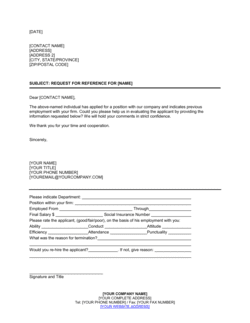
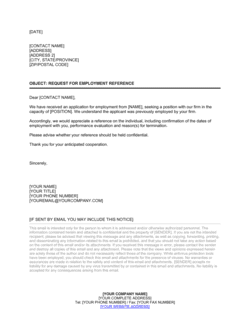
❌ Giving no guidance on what to write

Why it matters: A referee left without direction will write a generic reference that could apply to anyone, which adds little value to the application.

Fix: Include two to three specific qualities or anecdotes you hope they will highlight, matched to the stated criteria of the role or program.

❌ Omitting the opt-out clause

Why it matters: Without an explicit release, the referee may feel socially obligated to say yes and produce a reluctant, unenthusiastic reference that hurts rather than helps.

Fix: Add a single sentence making it clear that declining is fully acceptable and will not affect your relationship.

❌ Sending the same generic letter to every referee

Why it matters: Referees who receive a clearly templated, impersonal request are less likely to write a thoughtful, personalized reference on your behalf.

Fix: Customize at least the purpose statement, relationship description, and qualities section for each referee to reflect what they can specifically speak to.

The 8 key clauses, explained

Sender and recipient details

In plain language: Your full name, address, and contact information at the top, followed by the referee's name, title, and address.

Sample language
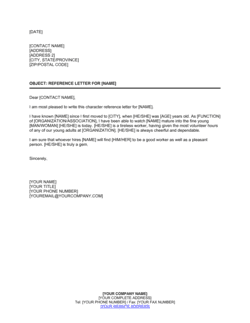
[YOUR FULL NAME] [YOUR ADDRESS] [CITY, STATE, ZIP] [EMAIL] | [PHONE] [DATE] [REFEREE FULL NAME] [REFEREE TITLE] [REFEREE ORGANIZATION] [REFEREE ADDRESS]

Common mistake: Using only a first name or email address in the header. A formal letter without complete contact details looks careless and makes follow-up harder.

Salutation

In plain language: A formal greeting that addresses the referee by name rather than a generic 'To Whom It May Concern.'

Sample language
Dear [REFEREE FULL NAME],

Common mistake: Opening with 'Hi [First Name]' in a formal context. Even if you know the person well, a formal letter warrants a formal greeting.

Opening β€” purpose statement

In plain language: The first paragraph states why you are writing, what you are applying for, and why you are reaching out to this specific person.

Sample language
I am writing to ask whether you would be willing to provide a character reference on my behalf as I apply for [POSITION / PROGRAM / PROCEEDING] at [ORGANIZATION / INSTITUTION / COURT].

Common mistake: Burying the request in the second or third paragraph. Referees are busy; state the ask in the first two sentences.

Relationship context

In plain language: A brief description of how you know the referee, how long you have known them, and in what capacity β€” so they can frame their reference accurately.

Sample language
We have known each other for [X] years through our work together at [ORGANIZATION], where you served as [ROLE] and I was [YOUR ROLE].

Common mistake: Assuming the referee will remember the full context of your relationship. A one-paragraph reminder helps them write a specific, credible reference.

What the reference should address

In plain language: Specific themes, qualities, or experiences you are hoping the referee will highlight β€” such as reliability, leadership, community involvement, or ethical conduct.

Sample language
If you are comfortable doing so, I would be grateful if you could speak to [QUALITY 1], [QUALITY 2], and any experiences you recall that illustrate my [RELEVANT CHARACTER TRAIT].

Common mistake: Giving no guidance at all and leaving the referee to guess what to write. Vague references are weaker than targeted ones and take the referee more time.

Submission instructions

In plain language: Tells the referee exactly how to submit the reference β€” by email, post, or online portal β€” along with the recipient's contact details.

Sample language
Please send the completed reference to [RECIPIENT NAME] at [EMAIL / MAILING ADDRESS] by [DEADLINE DATE]. If you prefer, I am happy to provide a pre-addressed envelope or a direct upload link.

Common mistake: Omitting the submission deadline. Without a date, referees deprioritize the task and submissions arrive after the application window closes.

Opt-out acknowledgment

In plain language: A sentence that explicitly releases the referee from any obligation to write the reference and assures them that declining will not affect your relationship.

Sample language
Please do not feel any obligation to accept β€” I completely understand if your schedule does not allow it, and it will not affect our relationship in any way.

Common mistake: Skipping this clause entirely. Its absence puts social pressure on the referee and risks receiving a reluctant, lukewarm reference.

Closing and contact offer

In plain language: A courteous close that thanks the referee for their time, offers to provide additional information, and invites any questions.

Sample language
Thank you sincerely for considering this request. Please feel free to contact me at [EMAIL] or [PHONE] if you would like any additional background or have questions. I look forward to hearing from you.

Common mistake: Closing without offering to answer questions. Referees who feel uncertain about what to write often decline rather than ask β€” removing this barrier increases acceptance rates.

How to fill it out

  1. 1

    Fill in your contact details and the date

    Enter your full legal name, mailing address, email, and phone number in the header block. Add today's date directly below your details.

    πŸ’‘ Use the same name and contact details you are using on the application itself so the recipient can easily match the reference to your file.

  2. 2

    Address the referee by full name and title

    Enter the referee's full name, professional title, organization, and mailing address. Follow with a formal salutation using their full name.

    πŸ’‘ If the referee has a professional title (Dr., Professor, Hon.), use it in both the address block and the salutation β€” it signals respect and professionalism.

  3. 3

    State the purpose clearly in the opening paragraph

    Name the specific position, program, or proceeding you are applying for and the organization or institution involved. Make the ask explicit in the first two sentences.

    πŸ’‘ Include the application deadline in this paragraph so the referee immediately understands the time constraint.

  4. 4

    Describe your relationship with the referee

    Briefly explain how you know each other, for how long, and in what context. This helps the referee orient their reference and gives the reader confidence in the relationship's credibility.

    πŸ’‘ One to two sentences is sufficient β€” enough to jog their memory and frame the context without making the letter feel self-promotional.

  5. 5

    Specify the qualities you hope they will address

    List two to three specific character traits or experiences relevant to the application. Match these to the stated values or criteria of the organization or program you are applying to.

    πŸ’‘ Review the job description, program requirements, or court guidelines before completing this section β€” tailored references are consistently more effective than generic ones.

  6. 6

    Provide clear submission instructions and a deadline

    State the submission method (email, post, or online portal), the recipient's full contact details, and the date by which the reference must arrive.

    πŸ’‘ Set your requested deadline at least five business days before the actual application deadline β€” this gives you time to follow up or find an alternative referee if needed.

  7. 7

    Add the opt-out clause and a warm close

    Include a sentence releasing the referee from any obligation to decline and close with a genuine thank-you and an offer to provide additional context.

    πŸ’‘ Attaching a brief resume or biography as a separate document gives the referee useful background without cluttering the letter itself.

Frequently asked questions

What is a request for character reference?

A request for character reference is a formal letter asking someone who knows you personally β€” a colleague, mentor, community leader, or former employer β€” to write a statement vouching for your integrity, reliability, and personal qualities. It provides the referee with the context they need to write a useful, targeted reference for a job application, legal proceeding, academic program, or other formal process.

Who should I ask for a character reference?

Choose someone who has known you for at least one to two years, can speak specifically to your personal character rather than just your job skills, and has enough standing to be credible to the recipient β€” a supervisor, professor, community leader, clergy member, or long-time professional contact. Avoid family members, as most organizations explicitly exclude them from character references.

How is a character reference different from a professional reference?

A professional reference focuses on your work performance, technical skills, and job-related accomplishments. A character reference speaks to who you are as a person β€” your honesty, reliability, community involvement, and ethical conduct. Many applications require both; when only one is requested, the context of the application determines which type is appropriate.

How much notice should I give a referee?

Two to three weeks is the standard minimum. For academic applications with formal submission portals, four weeks is safer. Giving less than five business days consistently produces weaker references and higher decline rates. Send the request as soon as you decide to apply, and include the submission deadline clearly in your letter.

Should I tell the referee what to write?

You should not write the reference for them, but providing two to three suggested themes, specific qualities, or relevant experiences is both acceptable and genuinely helpful. Most referees appreciate the guidance β€” it saves them time and produces a reference that directly addresses the criteria the recipient cares about. Always frame these as suggestions, not requirements.

Is it acceptable to send this request by email instead of a formal letter?

For most employment and academic applications, email is perfectly acceptable and is often preferred for speed. Use the same formal structure and language as a printed letter β€” salutation, body paragraphs, and a proper close. Reserve a printed letter for court submissions, formal government applications, or situations where the recipient explicitly requests written correspondence.

What should I do if a referee declines?

Thank them graciously and move on without pressing. A reluctant referee produces a weak reference. Identify an alternative contact promptly β€” this is why setting your internal deadline five days before the actual deadline matters. Keep a list of three to five potential referees for each application so one declination does not derail your timeline.

Do I need to follow up after sending the request?

Yes. Send a brief, polite follow-up email five to seven business days before the submission deadline if you have not received confirmation that the reference has been submitted. One follow-up is appropriate; more than two can feel pressuring. Always send a thank-you message after the reference has been submitted, regardless of the application outcome.

Should I attach anything to the request letter?

Attaching a current resume or brief biography is strongly recommended β€” it gives the referee accurate details about your background without requiring them to rely on memory. For court or legal applications, a one-paragraph summary of the proceeding and what the reference will be used for is also helpful. Keep attachments short and relevant.

How this compares to alternatives

vs Character Reference Letter

A character reference letter is the document the referee writes on the applicant's behalf. A request for character reference is the letter the applicant sends to ask the referee to write it. You need the request first; the referee then produces the letter. Both documents are part of the same workflow.

vs Letter of Recommendation

A letter of recommendation typically combines character and professional qualifications in a single document and is most common in academic and nonprofit contexts. A character reference focuses specifically on personal qualities and integrity. The distinction matters when an application specifies one type over the other.

vs Request For Professional Reference

A request for professional reference asks a former employer or colleague to speak to your job performance, skills, and work history. A character reference request asks for a statement about your personal qualities and values. Many applications require both; choosing the wrong type of referee or letter weakens the submission.

vs Employment Reference Check Form

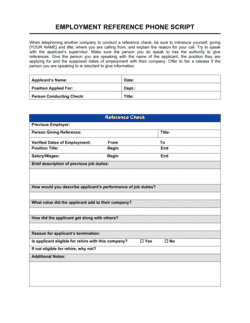
An employment reference check form is used by a hiring organization to verify and evaluate a candidate's work history through structured questions. A request for character reference is written by the applicant to ask someone to provide a reference. They operate from opposite sides of the reference process.

Industry-specific considerations

Legal and Court Proceedings

Character references submitted to courts must address specific qualities relevant to sentencing or custody decisions and are typically directed to a named judge or hearing officer.

Education and Academia

Graduate and professional school applications often require two to three character references submitted through a secure online portal, with strict formatting and word-count requirements.

Government and Regulatory

Professional license applications and security clearance processes frequently require character references from non-family contacts who can attest to the applicant's trustworthiness and community standing.

Nonprofit and Community Organizations

Board appointments, volunteer leadership roles, and grant-program applications in the nonprofit sector routinely require character references that speak to integrity, community commitment, and collaborative conduct.

Template vs pro β€” what fits your needs?

PathBest forCostTime
Use the templateIndividuals requesting references for employment, academic, or standard licensing applicationsFree10–15 minutes per letter
Template + professional reviewApplicants preparing references for court submissions or formal immigration proceedings$50–$150 (paralegal or advisor review)1–2 days
Custom draftedHigh-stakes legal proceedings or regulated licensing applications where precise language is critical$200–$500 (lawyer or specialist writer)2–5 days

Glossary

Character Reference
A written or verbal statement from someone who knows you personally and can speak to your integrity, reliability, and personal qualities.
Referee
The person being asked to provide the reference β€” not the applicant, but the contact who will write or speak on the applicant's behalf.
Professional Reference
A reference that focuses on work performance, skills, and accomplishments rather than personal character traits.
Reference Waiver
A statement β€” common in academic applications β€” in which the applicant voluntarily gives up the right to read the reference letter submitted on their behalf.
Context Statement
A brief description within the request letter explaining the specific role, program, or proceeding the reference will support.
Submission Deadline
The specific date by which the referee must submit the completed reference, as stated in the request letter.
Letter of Recommendation
A formal endorsement letter that can cover both character and professional qualifications, often used interchangeably with character reference in academic settings.
Reference Talking Points
Suggested themes or examples provided to the referee by the applicant to help focus the reference on the most relevant qualities.

Part of your Business Operating System

This document is one of 3,000+ business & legal templates included in Business in a Box.

  • Fill-in-the-blanks β€” ready in minutes
  • 100% customizable Word document
  • Compatible with all office suites
  • Export to PDF and share electronically

Create your document in 3 simple steps.

From template to signed document β€” all inside one Business Operating System.
1
Download or open template

Access over 3,000+ business and legal templates for any business task, project or initiative.

2
Edit and fill in the blanks with AI

Customize your ready-made business document template and save it in the cloud.

3
Save, Share, Send, Sign

Share your files and folders with your team. Create a space of seamless collaboration.

Save time, save money, and create top-quality documents.

β˜…β˜…β˜…β˜…β˜…

"Fantastic value! I'm not sure how I'd do without it. It's worth its weight in gold and paid back for itself many times."

Managing Director Β· Mall Farm
Robert Whalley
Managing Director, Mall Farm Proprietary Limited
β˜…β˜…β˜…β˜…β˜…

"I have been using Business in a Box for years. It has been the most useful source of templates I have encountered. I recommend it to anyone."

Business Owner Β· 4+ years
Dr Michael John Freestone
Business Owner
β˜…β˜…β˜…β˜…β˜…

"It has been a life saver so many times I have lost count. Business in a Box has saved me so much time and as you know, time is money."

Owner Β· Upstate Web
David G. Moore Jr.
Owner, Upstate Web

Run your business with a system β€” not scattered tools

Stop downloading documents. Start operating with clarity. Business in a Box gives you the Business Operating System used by over 250,000 companies worldwide to structure, run, and grow their business.

Free Forever PlanΒ Β·Β No credit card required