1
Start with your vision and current-year goals
Write a one-sentence mission statement, then list 3–5 specific, measurable goals for the next 12 months. Include a revenue target, a customer or volume target, and at least one operational milestone.
💡 If you struggle to write the mission in one sentence, your business direction may be less defined than you think — resolve that ambiguity before filling in anything else.
2
Document your legal structure and compliance calendar
Record your entity type, state or province of registration, active licenses, and all recurring compliance deadlines — annual filings, tax due dates, permit renewals.
💡 Add every compliance deadline to a shared calendar with a 30-day reminder. Missed filings are entirely preventable costs.
3
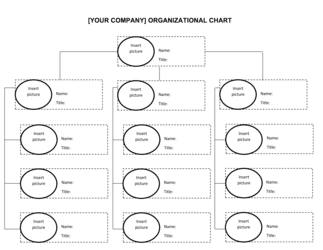
Draw your actual org chart — not your ideal one
Map who currently works in the business, their titles, and who reports to whom. Mark any open positions clearly so everyone can see accountability gaps.
💡 Use a different color or bracket notation for unfilled roles so the team understands where hiring is needed, rather than assuming a role is covered.
4
Write role definitions for every position
For each role, list the three to five primary responsibilities, the decisions that role owns without escalation, and the weekly or monthly output it is accountable for.
💡 Have each person review their own role definition and flag any responsibilities they believe belong elsewhere — this surfaces hidden overlaps and gaps immediately.
5
Document your three to five most critical operational processes
Walk through each process step by step, name the role responsible for each step, and note the tools used. Focus first on the processes that fail most often or cause the most team confusion.
💡 Record a short screen-share walkthrough of each process alongside the written steps — video dramatically speeds up onboarding for roles that use the process.
6
Set financial controls and a cash flow review cadence
Define expense approval thresholds by role, establish the invoicing timeline, assign bookkeeping responsibility, and set a recurring date for reviewing cash flow against plan — monthly at minimum.
💡 A weekly 15-minute cash flow review prevents surprises. Most cash crunches are visible 30–60 days before they become critical if you are looking at the numbers regularly.
7
Build the prioritized action plan from the gaps you found
Review each completed section and note every item that is missing, unclear, or not yet in place. Rank these by impact, assign a single owner to each, and set a realistic deadline.
💡 Limit the active action plan to ten or fewer items at a time. A list of 30 priorities is a list of zero priorities.