- Pledgor
- The party that owns the asset being pledged as security and transfers possession or control to the lender.
- Pledgee
- The lender or secured party that receives the pledged asset as collateral and holds security rights over it.
- Collateral
- The specific asset — shares, inventory, receivables, or other movable property — pledged to secure repayment of the loan.
- Secured Obligations
- The full set of amounts and duties owed by the borrower that the pledge is intended to secure, including principal, interest, fees, and costs.
- Default
- A trigger event — such as missed payment, insolvency, or breach of covenant — that entitles the pledgee to enforce its security rights.
- Enforcement
- The pledgee's exercise of rights upon default — typically sale of the pledged asset, appropriation, or appointment of a receiver — to recover the outstanding debt.
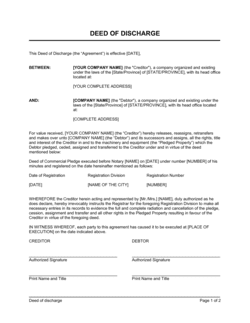
- Release and Discharge
- The formal cancellation of the pledge once the secured obligations have been repaid in full, returning the asset to the pledgor free of encumbrance.
- Priority
- The rank of a pledgee's security interest relative to other creditors — first-ranking pledgees are paid before second-ranking or unsecured creditors.
- Floating Charge
- A security interest over a changing pool of assets (e.g., inventory) that crystallises into a fixed charge on a trigger event such as default.
- UCC Financing Statement
- In the US, a public filing under the Uniform Commercial Code that perfects a security interest in personal property and establishes priority against other creditors.
- Perfection
- The legal steps — registration, filing, or delivery of possession — required to make a security interest enforceable against third parties and competing creditors.