Checklist Key Employee Life Insurance

Free download β€’ Use as a template β€’ Print or share

1 pageβ€’15–25 min to useβ€’Difficulty: Standard
Learn more ↓
FreeChecklist Key Employee Life Insurance Template

At a glance

What it is
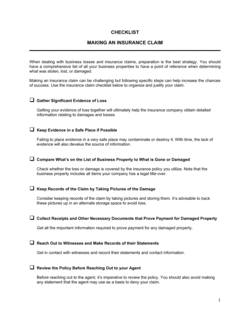
A Key Employee Life Insurance Checklist is a structured form businesses use to evaluate, document, and track life insurance coverage on personnel whose loss would materially disrupt operations or threaten financial stability. This free Word download walks you through every consideration β€” from identifying covered employees to verifying policy details β€” so nothing falls through the cracks.
When you need it
Use it when initiating a new key person policy, conducting an annual insurance review, onboarding a new executive or partner, or auditing existing coverage as part of a business continuity plan.
What's inside
Employee identification fields, role and revenue-impact assessment, policy type and coverage amount criteria, insurer and beneficiary details, premium tracking, and a review sign-off section to confirm all items have been verified and filed.

What is a Key Employee Life Insurance Checklist?

A Key Employee Life Insurance Checklist is a structured form that guides a business through the process of identifying critical personnel, determining appropriate coverage amounts, selecting policy types, and verifying that all compliance and documentation requirements are met before and after a key person life insurance policy is placed. It ensures that every material consideration β€” from employee consent under IRS rules to beneficiary designation and premium tracking β€” is addressed in a single, auditable record rather than scattered across emails and filing cabinets.

Why You Need This Document

Without a systematic checklist, key person insurance decisions are made inconsistently β€” one founder is covered at a policy amount set years ago, another critical hire was never evaluated, and the consent documentation required under IRC Section 101(j) was never collected. The consequence of that gap is not theoretical: a death benefit that should have been tax-free becomes taxable income, a buy-sell agreement cannot be funded because the policy lapsed after an untracked premium due date, or a lender discovers missing coverage during a loan renewal. This checklist closes those gaps by providing a repeatable process for every key person evaluation β€” ensuring the right coverage is in place, properly documented, and reviewed on a schedule before the business needs it.

Which variant fits your situation?

If your situation is…Use this template
Evaluating coverage needs before applying for a new policyKey Employee Life Insurance Checklist
Documenting a buy-sell agreement funded by life insuranceBuy-Sell Agreement
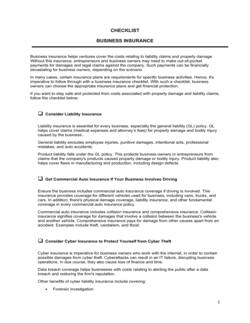
Tracking all company insurance policies in one placeBusiness Insurance Checklist
Reviewing business continuity risks beyond key person lossBusiness Continuity Plan
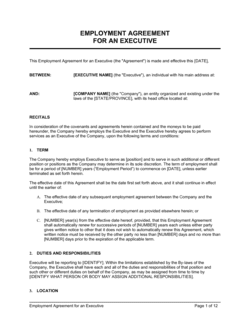
Onboarding a new executive whose departure would impact revenueExecutive Employment Agreement
Assessing all financial risks during an annual business reviewAnnual Business Review Template
Satisfying an SBA lender's key man insurance requirement at loan closingSBA Loan Checklist

Common mistakes to avoid

❌ Skipping employee consent under IRC Section 101(j)

Why it matters: Without proper written notice and consent for employer-owned life insurance, the death benefit may be fully taxable as ordinary income to the business β€” eliminating most of the financial protection.

Fix: Obtain signed consent from the covered employee before the policy is issued and retain the documentation in a permanent file alongside the checklist.

❌ Naming an individual as beneficiary instead of the business

Why it matters: If a co-owner or family member is accidentally listed as beneficiary, the death benefit bypasses the business entirely, leaving the company without the funds needed to cover losses or execute a buy-sell agreement.

Fix: Always list the legal business entity as both owner and primary beneficiary; review the policy declarations page immediately after issuance to confirm.

❌ Never updating coverage after salary increases or role changes

Why it matters: A policy set at 5Γ— salary from three years ago may now represent only 2Γ— salary β€” leaving a significant gap between the death benefit and the actual financial loss the business would face.

Fix: Tie annual coverage reviews to compensation reviews or fiscal year-end planning so the coverage amount stays aligned with the employee's current value to the business.

❌ Storing policy details only in one person's email

Why it matters: If the person who manages the policy leaves or becomes incapacitated, the company may be unable to locate the policy, miss a premium payment, or fail to file a timely claim.

Fix: Use a centralized checklist like this template, stored in a shared drive with access granted to at least two authorized personnel, to ensure continuity regardless of staff changes.

The 9 key fields, explained

Employee identification

Role criticality assessment

Coverage amount determination

Policy type selection

Insurer and policy details

Policy owner and beneficiary

Premium payment tracking

Consent and disclosure

Review and sign-off

How to fill it out

  1. 1

    Identify which employees qualify as key persons

    List every employee or owner whose sudden loss would cause measurable financial harm β€” lost revenue, client attrition, or an inability to deliver core services. Typical candidates include founders, top salespeople, lead engineers, and employees with unique client relationships.

    πŸ’‘ A practical threshold: if replacing this person would take more than 3 months and cost more than 1Γ— their annual salary, they likely qualify.

  2. 2

    Complete the role criticality assessment for each person

    Document the specific dollar impact β€” annual revenue they generate or influence, cost to recruit and train a replacement, or outstanding loan or contract obligations tied to their performance.

    πŸ’‘ Pull numbers from your CRM or financial reports to make the assessment concrete and defensible for insurers or investors.

  3. 3

    Calculate the appropriate coverage amount

    Choose a calculation method β€” salary multiple (5–10Γ—), revenue contribution (1–2 years' worth), or replacement cost β€” and record both the method and the resulting figure in the coverage field.

    πŸ’‘ If the business has an SBA loan, confirm the required coverage amount directly with the lender; SBA guidelines often specify a minimum death benefit equal to the outstanding loan balance.

  4. 4

    Select the policy type and obtain quotes

    Decide between term (lower cost, finite period) and permanent (builds cash value, lifelong coverage) based on the business objective. Get at least two carrier quotes before completing the policy details field.

    πŸ’‘ Term policies work well when coverage is tied to a specific loan or time-limited risk; permanent policies double as a tax-advantaged executive retention tool.

  5. 5

    Fill in insurer and policy details after placement

    Once the policy is issued, record the carrier name, policy number, issue date, and premium schedule in the checklist. File a copy of the policy alongside the completed checklist.

    πŸ’‘ Store the checklist and policy documents in a shared secure folder accessible to at least two people β€” sole custody creates its own key-person risk.

  6. 6

    Confirm consent and disclosure compliance

    Obtain and file the employee's written consent to the policy before the policy is issued. Record the date consent was given and confirm it matches the insurer's records.

    πŸ’‘ Use a separate consent form with the employee's signature; a checkbox on the checklist alone is not a substitute for a standalone signed document.

  7. 7

    Schedule the next review date

    Set a calendar reminder for the annual review β€” at minimum, verify that coverage amounts still reflect the employee's current role, salary, and business contribution.

    πŸ’‘ Tie reviews to your fiscal year-end so coverage assessment happens alongside your financial planning cycle.

Frequently asked questions

What is key employee life insurance?

Key employee life insurance β€” also called key man or key person insurance β€” is a life insurance policy owned by a business on an employee whose death would cause significant financial harm to the company. The business pays the premiums and receives the death benefit, which is used to cover lost revenue, recruit a replacement, repay loans, or fund a buy-sell agreement. It is one of the most common risk management tools for small and mid-size businesses.

Who should be covered by a key employee life insurance policy?

Any employee whose sudden absence would cause measurable financial damage qualifies β€” founders, top revenue producers, lead technical personnel, or anyone with exclusive client relationships. A practical test: if replacing this person would take more than three months and cost more than one year's salary in lost revenue or recruitment costs, they are likely a key person. Most businesses cover two to five employees at any given time.

How much coverage should a key employee life insurance policy provide?

Common methods include a salary multiple of 5–10Γ—, one to two years of the revenue the employee directly generates, or an estimate of the total replacement cost including recruitment, training, and lost client revenue. SBA lenders typically require coverage equal to the outstanding loan balance. There is no universal formula β€” the right amount depends on the specific financial exposure the business faces.

Is the death benefit from key employee life insurance taxable?

Generally, death benefits received by a business are income tax-free under IRC Section 101(a). However, if the employer-owned life insurance (EOLI) requirements of IRC Section 101(j) are not met β€” specifically written notice to and consent from the covered employee β€” the benefit above the employer's premium investment can become taxable. Consult a tax advisor to confirm compliance before the policy is issued.

What is the difference between a term and permanent key person policy?

A term policy provides coverage for a defined period (typically 10–20 years) at a lower premium with no cash value. It suits time-limited risks like an outstanding business loan or a growth phase where a specific person is critical. A permanent policy (whole or universal life) provides lifelong coverage and builds cash value the business can borrow against β€” useful as both insurance and a long-term executive benefit or business reserve.

Does the covered employee need to know about the policy?

Yes. For employer-owned life insurance on non-owner employees, IRC Section 101(j) requires that the employee receive written notice before the policy is issued and provide written consent. The notice must disclose the maximum face amount and that the employer will be the beneficiary. Failing to obtain consent does not void the policy but can make the death benefit taxable to the business.

Can a key person insurance policy fund a buy-sell agreement?

Yes β€” this is one of the most common uses. When a co-owner is the key person, the business or surviving owners can use the death benefit to purchase the deceased owner's share from their estate, preventing unwanted ownership transfers and ensuring business continuity. The buy-sell agreement specifies the terms; the life insurance policy provides the liquidity to execute them.

How often should key employee life insurance coverage be reviewed?

At minimum annually, aligned with your fiscal year-end or compensation review cycle. Coverage should also be reassessed after a significant salary increase, a new business loan, a material change in the key employee's role, or a major shift in business revenue. This checklist includes a review sign-off field specifically to ensure that assessment happens on a defined schedule rather than reactively.

How this compares to alternatives

vs Business Continuity Plan

A business continuity plan addresses the full range of operational disruptions β€” natural disasters, cyberattacks, supply chain failures β€” and documents recovery procedures for each. A key employee life insurance checklist focuses narrowly on the financial risk of losing a specific person and ensures the right insurance coverage is in place before that event occurs. The two documents complement each other: the continuity plan explains what to do; the checklist ensures the funding to do it is available.

vs Employee Benefits Checklist

An employee benefits checklist documents the benefits offered to all employees β€” health, dental, retirement, PTO. Key employee life insurance is a company-owned policy that protects the business, not the employee. The two documents serve different owners: one is an HR record, the other is a risk management and financial planning tool for the business itself.

vs Executive Employment Agreement

An executive employment agreement defines the terms of employment β€” compensation, duties, non-compete, severance. It does not address what happens to the business financially if the executive dies. The key employee insurance checklist fills that gap by ensuring a death benefit is in place before the executive starts. Both documents should exist for any high-value hire.

vs Buy-Sell Agreement

A buy-sell agreement is a legally binding contract that governs the transfer of a deceased or departing owner's equity. Key employee life insurance is the funding mechanism that makes the buy-sell executable β€” the insurance proceeds provide the liquidity to purchase the deceased owner's share. The checklist ensures the policy is properly structured and documented before it is needed.

Industry-specific considerations

Professional Services

Law firms, accounting practices, and consulting firms routinely insure founding partners whose client relationships constitute the majority of firm revenue.

Technology / SaaS

Early-stage tech companies often insure a lead engineer or CTO whose proprietary knowledge underpins the core product, particularly when the business has raised venture capital or carried SBA debt.

Construction and Trades

General contractors insure project managers or estimators who hold key subcontractor relationships and whose absence mid-project could trigger performance bond claims or client penalties.

Manufacturing

Manufacturers cover plant managers or lead engineers whose operational knowledge is embedded in production processes that would be difficult to document or transfer quickly.

Template vs pro β€” what fits your needs?

PathBest forCostTime
Use the templateSmall businesses and founders conducting an initial key person coverage assessment or annual policy reviewFree30–60 minutes per covered employee
Template + professional reviewBusinesses with SBA loan requirements, multiple covered employees, or policies tied to a buy-sell agreement$200–$500 (insurance broker or financial advisor review)1–3 days
Custom draftedEnterprises with complex ownership structures, multi-jurisdiction coverage, or executive benefit plans requiring legal and tax review$1,000–$3,000+ (attorney and tax advisor involvement)1–2 weeks

Glossary

Key Employee
An individual whose skills, relationships, or knowledge are so critical to the business that their sudden absence would cause significant financial harm.
Key Person Insurance
A life insurance policy owned and paid for by the business, naming the business as beneficiary, on a critical employee or owner.
Death Benefit
The lump-sum amount paid to the policy beneficiary β€” in this case, the business β€” upon the insured employee's death.
Cash Value
The savings component of a permanent life insurance policy that accumulates over time and can be borrowed against or surrendered.
Term Life Policy
A life insurance policy that provides coverage for a fixed period (e.g., 10 or 20 years) with no cash value accumulation.
Permanent Life Policy
A life insurance policy (whole or universal life) that provides lifelong coverage and builds cash value over time.
Policy Owner
The entity that holds the policy contract, pays the premiums, and has the right to change beneficiaries or surrender the policy β€” typically the business itself.
Insurable Interest
A legal requirement that the policy owner would suffer a financial loss upon the insured's death β€” businesses have insurable interest in key employees.
Premium
The periodic payment (monthly or annual) made by the policy owner to keep the insurance policy in force.
Buy-Sell Agreement
A binding contract among business owners that dictates how a departing or deceased owner's share is transferred, often funded by key person life insurance.

Part of your Business Operating System

This document is one of 3,000+ business & legal templates included in Business in a Box.

  • Fill-in-the-blanks β€” ready in minutes
  • 100% customizable Word document
  • Compatible with all office suites
  • Export to PDF and share electronically

Create your document in 3 simple steps.

From template to signed document β€” all inside one Business Operating System.
1
Download or open template

Access over 3,000+ business and legal templates for any business task, project or initiative.

2
Edit and fill in the blanks with AI

Customize your ready-made business document template and save it in the cloud.

3
Save, Share, Send, Sign

Share your files and folders with your team. Create a space of seamless collaboration.

Save time, save money, and create top-quality documents.

β˜…β˜…β˜…β˜…β˜…

"Fantastic value! I'm not sure how I'd do without it. It's worth its weight in gold and paid back for itself many times."

Managing Director Β· Mall Farm
Robert Whalley
Managing Director, Mall Farm Proprietary Limited
β˜…β˜…β˜…β˜…β˜…

"I have been using Business in a Box for years. It has been the most useful source of templates I have encountered. I recommend it to anyone."

Business Owner Β· 4+ years
Dr Michael John Freestone
Business Owner
β˜…β˜…β˜…β˜…β˜…

"It has been a life saver so many times I have lost count. Business in a Box has saved me so much time and as you know, time is money."

Owner Β· Upstate Web
David G. Moore Jr.
Owner, Upstate Web

Run your business with a system β€” not scattered tools

Stop downloading documents. Start operating with clarity. Business in a Box gives you the Business Operating System used by over 250,000 companies worldwide to structure, run, and grow their business.

Free Forever PlanΒ Β·Β No credit card required