1
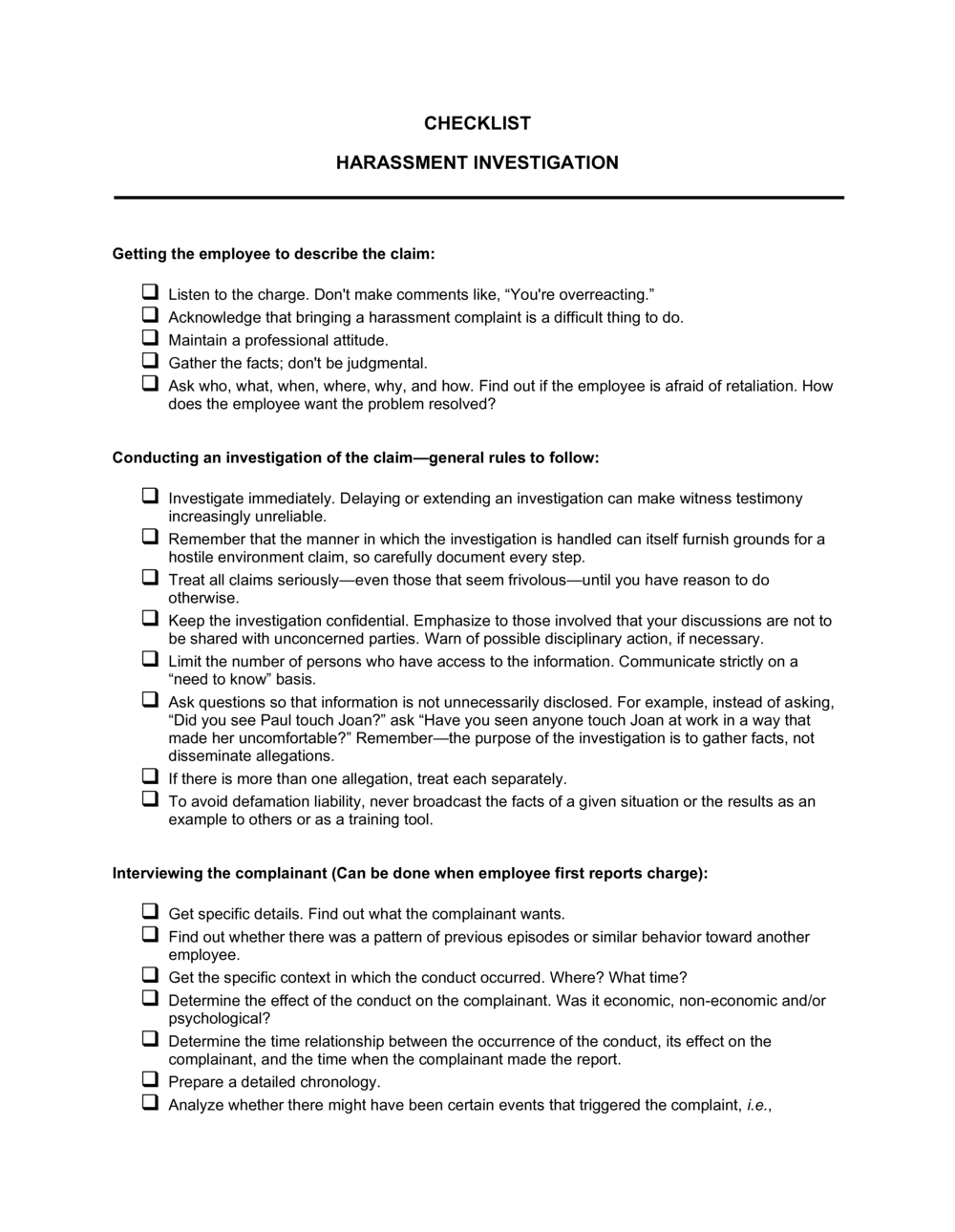
Record the complaint intake immediately
As soon as the complaint is received, enter the date, method of receipt, and the name of the HR contact. Do not wait until the end of the day to complete this field.
💡 Timestamp entries using a 24-hour format (e.g., 14:32) when multiple complaints in the same day are possible — this removes any ambiguity about sequence.
2
Document complainant and respondent details
Enter both parties' full legal names, job titles, departments, and the nature of their working relationship. Flag if the respondent is the complainant's direct supervisor.
💡 Cross-reference your HR system to confirm titles and reporting lines rather than relying on what either party tells you — discrepancies matter.
3
Write a neutral allegation summary
Summarize the alleged conduct in factual, non-evaluative language. State what, when, where, and how often — without characterizing it as harassment until a finding is made.
💡 Read the summary back and remove any adjectives. 'Employee A sent Employee B three messages between 9 p.m. and midnight on [dates]' is neutral; 'Employee A harassed Employee B' is not.
4
Implement and log interim measures
Decide whether any protective steps are needed before the investigation concludes. Document the measure, its start date, and who approved it — even if the decision is that no interim measures are required.
💡 Documenting a deliberate 'no interim measures' decision is as important as documenting one that was taken — it shows the decision was considered, not overlooked.
5
Conduct and log all witness interviews
Interview witnesses separately, never together. Log each interview date, the interviewer's name, and whether a signed written statement was obtained.
💡 Interview the respondent last — after you have gathered the complainant's account and witness information — so you can put specific details to them for response.
6
Collect and catalog all evidence
Gather emails, messages, access logs, CCTV footage, or any other relevant records. Log each item with a description, format, collection date, and storage location.
💡 Place all digital evidence in a dedicated, access-restricted folder named with the investigation reference number — not in a shared HR drive.
7
Record findings and corrective action
State the finding clearly — substantiated, unsubstantiated, or inconclusive — with a one-paragraph rationale. Document any corrective action, who is responsible for implementing it, and a follow-up date.
💡 Set a calendar reminder for the follow-up date when you complete this field — corrective action that is not followed up often goes unimplemented.
8
Obtain sign-offs and close the file
Have the HR lead and approving manager sign and date the completed checklist before filing. Store the completed checklist with all supporting documents in a secure, confidential file.
💡 Retain completed investigation files for a minimum of 5 years — many employment tribunals can be initiated years after the alleged incident.