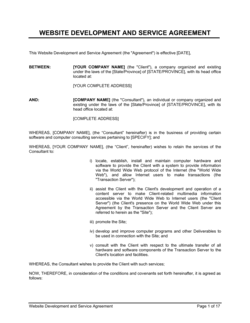
- Scope of Work
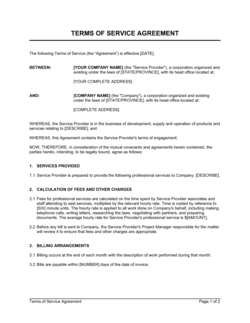
- A precise description of the deliverables, tasks, and boundaries of the services the provider is contracted to perform.
- Intellectual Property Assignment
- A clause that transfers ownership of work product — code, design, content — from the creator to the client upon full payment.
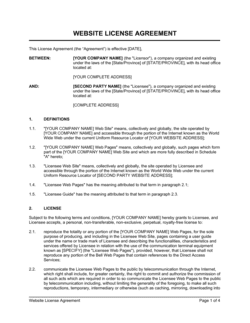
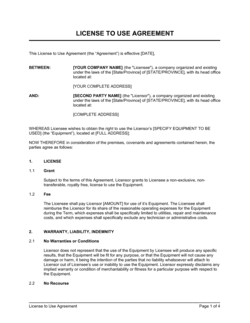
- License Grant
- Permission given by one party to another to use specific IP under defined conditions, without transferring ownership.
- Acceptable Use Policy (AUP)
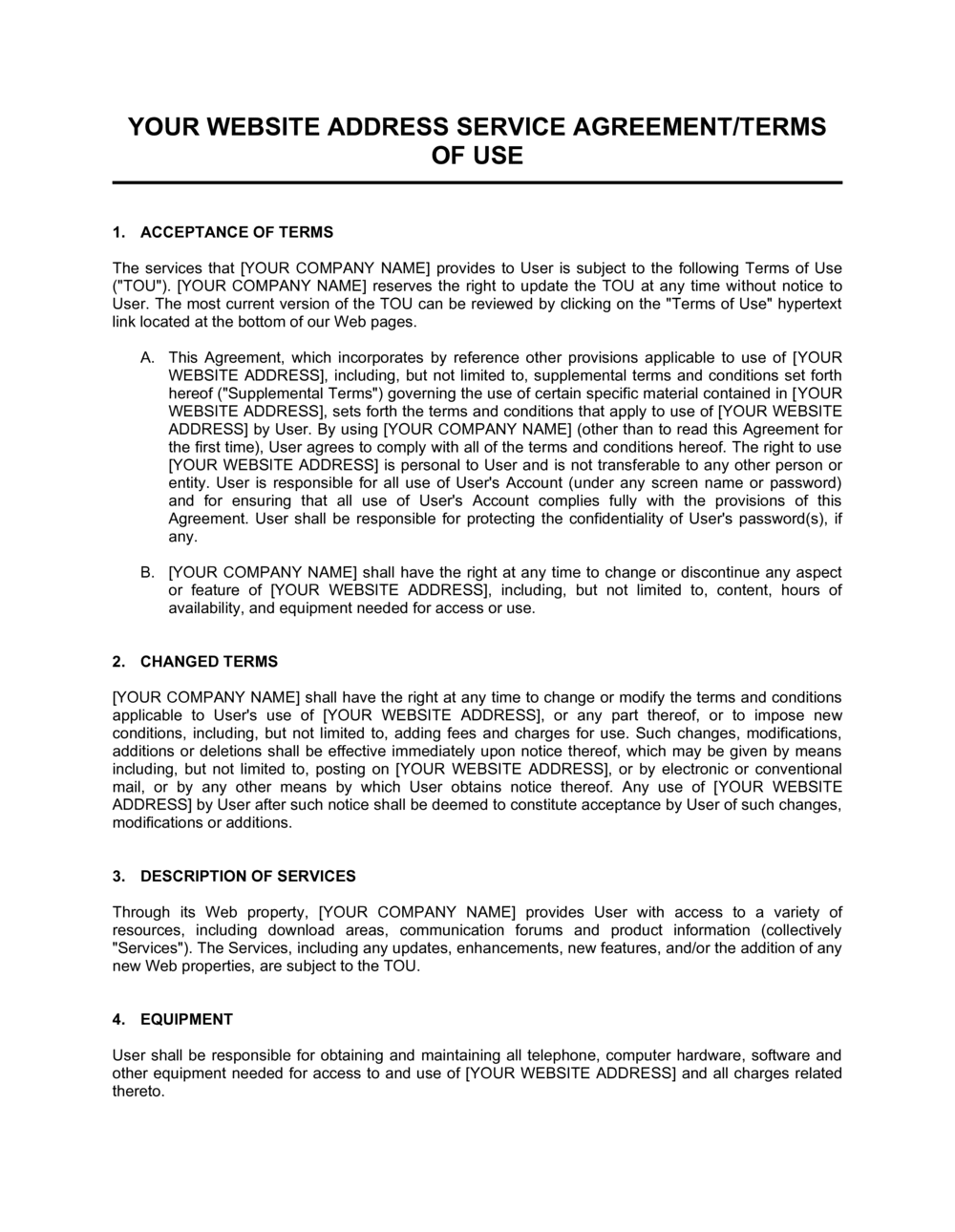
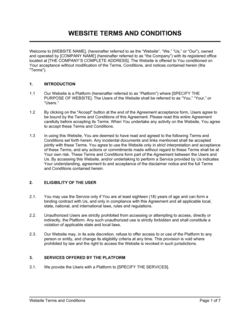
- A set of rules defining what users may and may not do on a website or platform, typically prohibiting illegal activity, scraping, and spam.
- Limitation of Liability
- A clause capping the maximum financial exposure of one party to the other, typically expressed as a multiple of fees paid in the prior 12 months.
- Indemnification
- A contractual obligation by one party to compensate the other for losses, damages, or legal costs arising from specified events or breaches.
- Force Majeure
- A clause excusing non-performance caused by events outside a party's reasonable control — such as natural disasters, cyberattacks, or government actions.
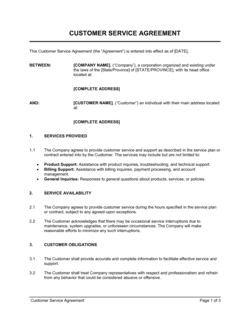
- Service Level Agreement (SLA)
- A commitment by the provider to meet defined performance metrics — uptime percentage, response time, or resolution time — with remedies for failure.
- Termination for Convenience
- A right allowing either party to end the agreement without cause by giving a defined notice period, typically 30 days.
- Governing Law
- The jurisdiction whose laws apply to interpret and enforce the agreement, regardless of where the parties are physically located.
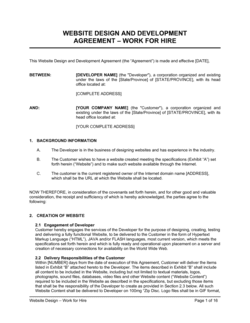
- Work for Hire
- A US copyright doctrine under which work created by an employee or contractor within the scope of employment automatically belongs to the hiring party.
- Uptime Guarantee
- A provider's commitment to keep a website or platform available for a defined percentage of time per month — commonly 99.9%, equating to about 8.7 hours of downtime per year.