- Mutual Termination
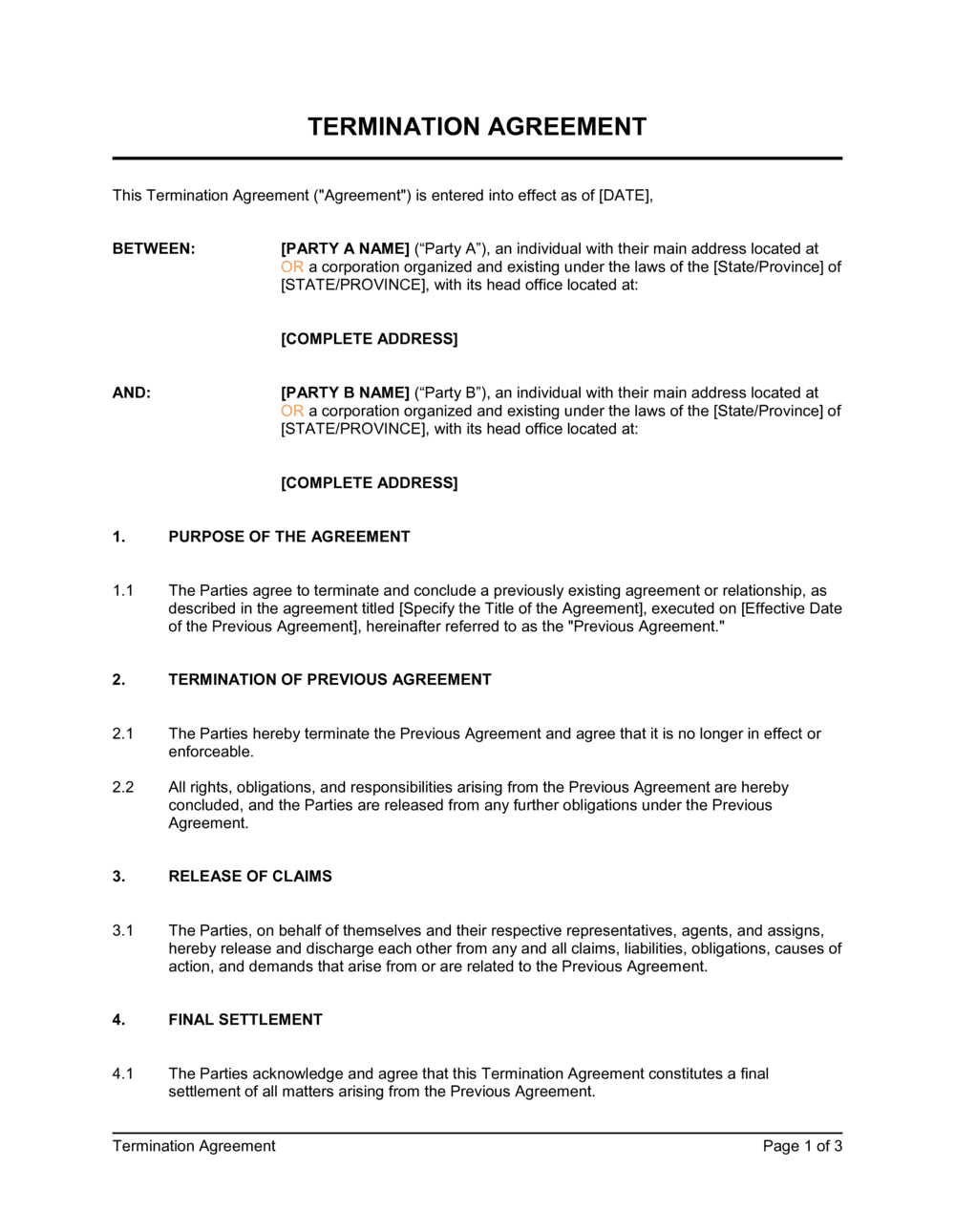
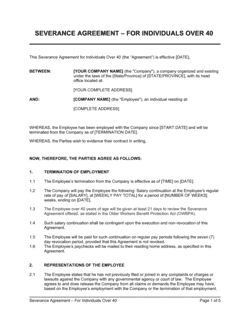
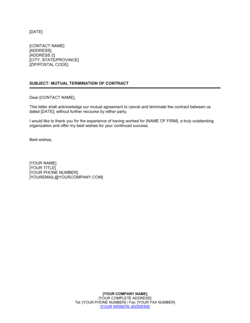
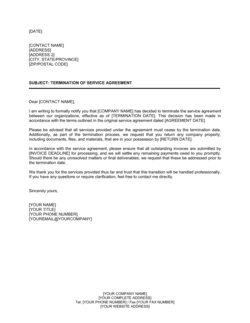
- An agreement by which both parties consent to end a contract, as opposed to one party exercising a unilateral right to terminate.
- Effective Termination Date
- The specific calendar date on which the agreement being terminated ceases to have legal force and effect.
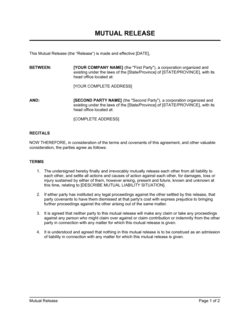
- Mutual Release
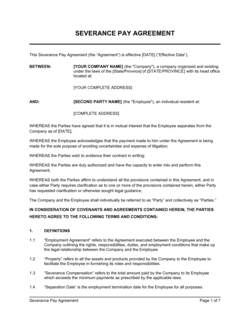
- A clause in which each party waives any and all claims against the other arising from the terminated agreement, extinguishing future litigation risk.
- Surviving Obligations
- Contractual duties — typically confidentiality, IP assignment, non-solicitation, and indemnification — that remain in force after the main agreement is terminated.
- Settlement Payment
- An agreed lump-sum or structured payment made in connection with the termination to resolve outstanding invoices, work-in-progress, or disputed amounts.
- Return of Materials
- A clause requiring each party to return or certifiably destroy confidential documents, proprietary data, equipment, or other materials belonging to the other party.
- Indemnification
- A contractual obligation requiring one party to compensate the other for specified losses, liabilities, or costs that arise after termination.
- Representations at Termination
- Warranties made by each party at the time of signing the termination agreement — for example, that no undisclosed claims exist and that the signatory has authority to bind their organization.
- Integration Clause
- A provision stating that the termination agreement is the entire and final expression of the parties' exit arrangement, superseding prior negotiations and side letters.
- Governing Law
- The jurisdiction whose laws will be used to interpret and enforce the termination agreement, typically the same jurisdiction as the underlying contract.