- ADEA (Age Discrimination in Employment Act)
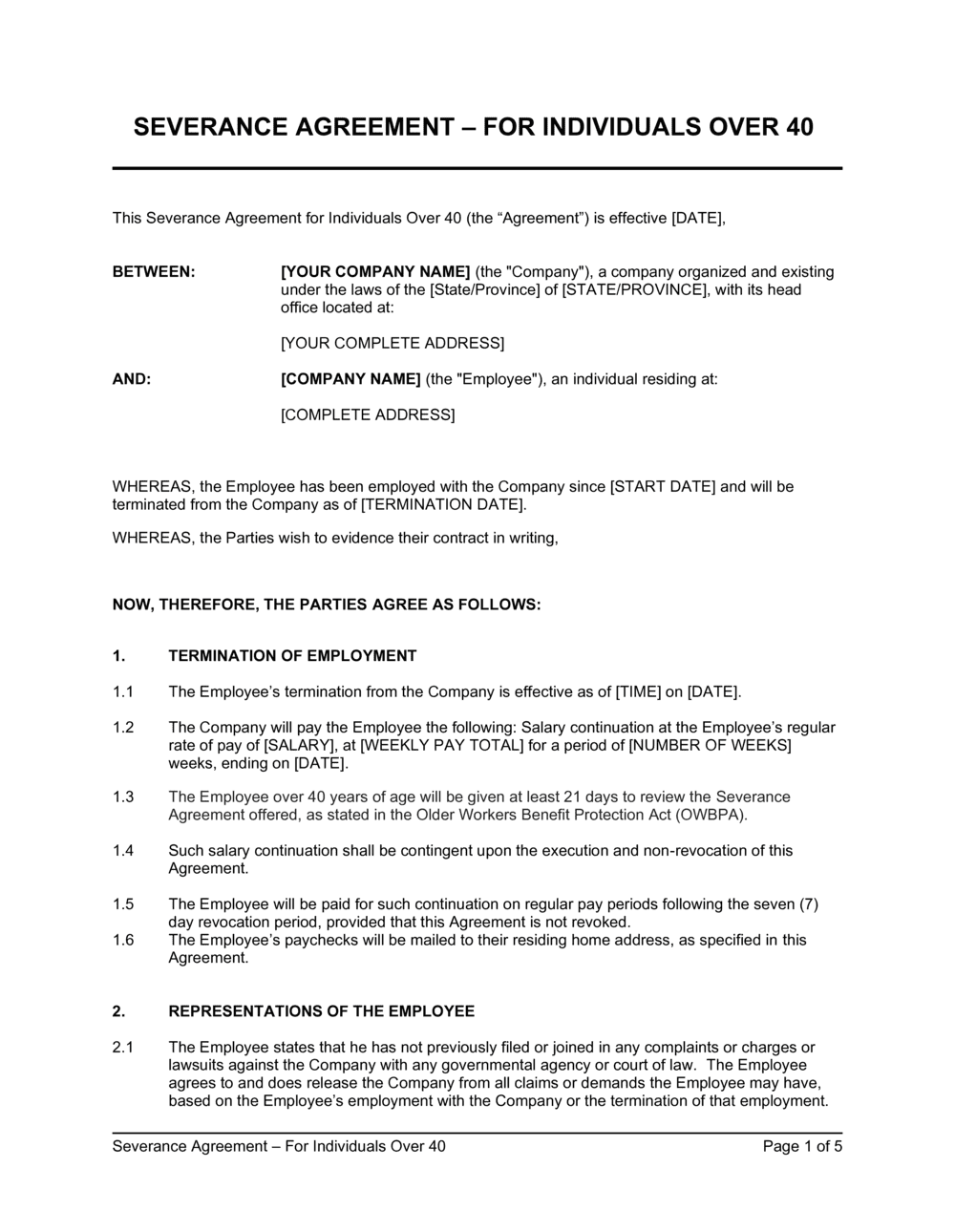
- A US federal law that prohibits employment discrimination against persons 40 years of age or older, enforced by the EEOC.
- OWBPA (Older Workers Benefit Protection Act)
- A 1990 amendment to the ADEA that sets mandatory requirements for a valid waiver of age discrimination claims, including specific disclosure, review period, and revocation rights.
- 21-Day Consideration Period
- The minimum time an employee over 40 must be given to review and decide whether to sign a severance agreement waiving ADEA claims before the waiver is valid.
- 7-Day Revocation Period
- The window after signing during which an employee over 40 may revoke their acceptance of a severance agreement; the agreement does not become effective until this period expires.
- Release of Claims
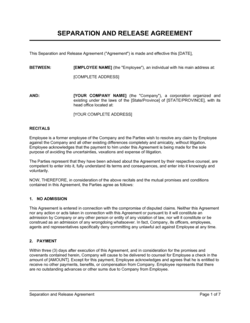
- A contractual provision in which the employee waives the right to sue the employer for specified legal claims — including age discrimination — in exchange for severance consideration.
- Knowing and Voluntary Waiver
- The OWBPA standard requiring that an ADEA waiver be written in plain language the employee can understand, reference the specific statute being waived, and be signed without coercion.
- EEOC (Equal Employment Opportunity Commission)
- The US federal agency responsible for enforcing federal employment discrimination laws, including the ADEA, and the body to which employees may file age discrimination charges.
- Group Termination Disclosure
- An OWBPA requirement for RIF situations: employers must disclose the job titles and ages of all employees in the affected decision unit — both selected and not selected for layoff — to each departing employee over 40.
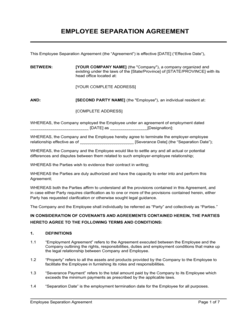
- Separation Date
- The official last day of employment stated in the agreement, which triggers benefit end dates, final pay obligations, and the start of any post-employment restrictions.
- Non-Disparagement Clause
- A mutual or one-sided provision prohibiting the employee and/or employer from making negative statements about the other party after separation.
- Consideration
- Something of value — such as severance pay or extended benefits — provided to the employee in exchange for signing the release; without valid consideration, the release is unenforceable.
- Return of Property
- A clause requiring the employee to return all company-owned equipment, documents, credentials, and confidential materials by or on the separation date.