- Revenue
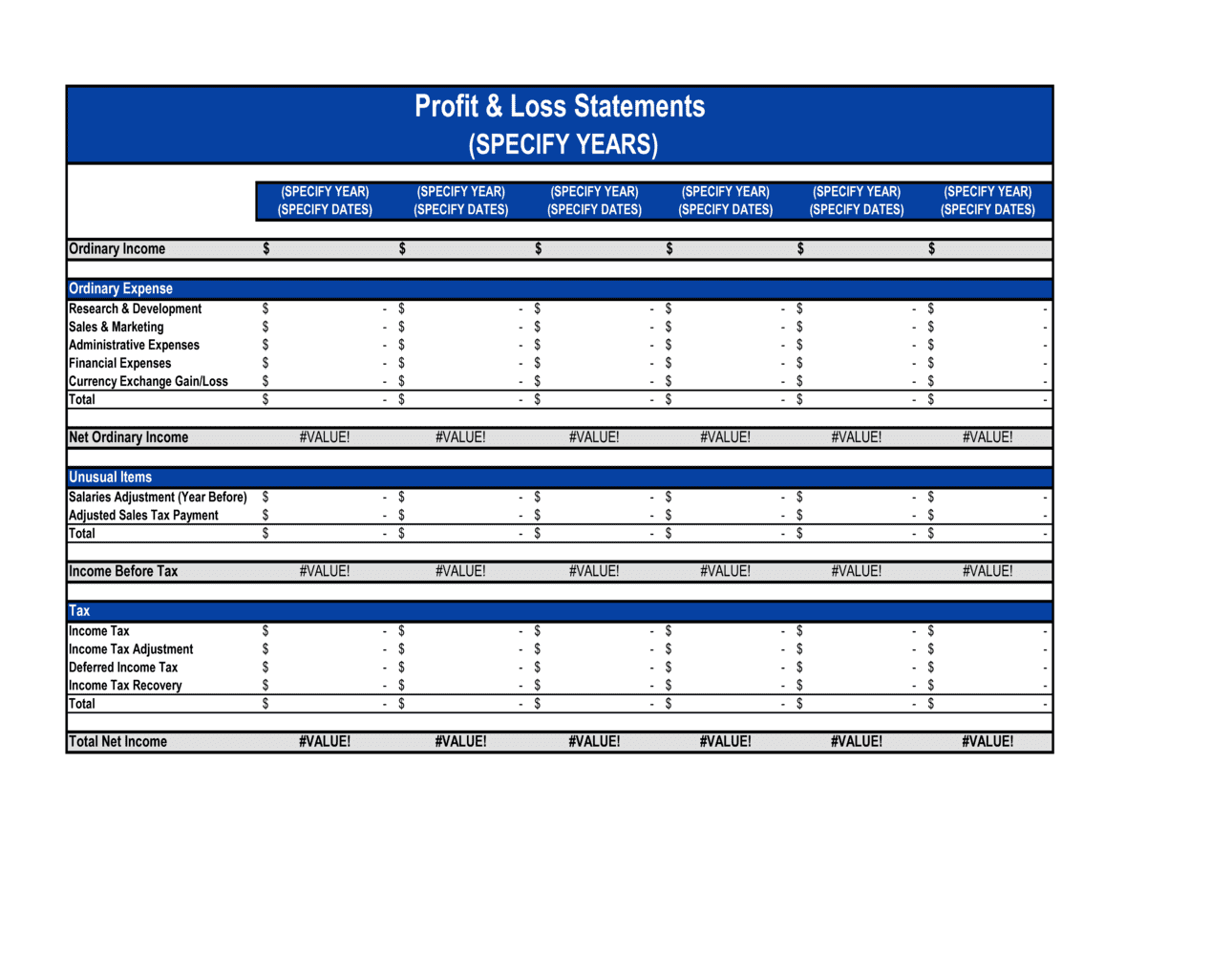
- The total income generated from the sale of goods or services before any costs or expenses are deducted — also called the top line.
- Cost of Goods Sold (COGS)
- The direct costs attributable to producing the goods or services sold, including materials and direct labor.
- Gross Profit
- Revenue minus COGS — the amount left after covering direct production costs, before operating expenses are deducted.
- Gross Margin
- Gross profit expressed as a percentage of revenue, used to compare profitability efficiency across periods or against industry benchmarks.
- Operating Expenses (OpEx)
- Indirect costs required to run the business that are not tied to production, such as rent, salaries, marketing, and administrative costs.
- EBITDA
- Earnings Before Interest, Taxes, Depreciation, and Amortization — a measure of core operating profitability used in valuations and lending decisions.
- Net Income
- The final profit or loss after all revenues, costs, expenses, interest, and taxes have been accounted for — also called the bottom line.
- Accrual Accounting
- A method of recording revenues and expenses when they are earned or incurred, regardless of when cash changes hands.
- Cash Basis Accounting
- A method of recording revenues and expenses only when cash is actually received or paid — simpler but less accurate for period matching.
- Depreciation and Amortization
- Non-cash charges that spread the cost of a tangible or intangible asset over its useful life, reducing taxable income each period.
- Non-Operating Income
- Income from sources outside the core business operations, such as interest earned, investment gains, or asset disposals.
- Signatory
- The authorized individual — typically an owner, director, or CFO — who certifies the accuracy of the financial statement by signing it.