1
Define the scope and objectives before touching the numbers
Write one paragraph describing what the project or initiative is, who it serves, and what success looks like in measurable terms. All cost decisions should trace back to this scope.
💡 If you cannot describe the objective in two sentences, the scope is not clear enough to budget — clarify the work before you estimate its cost.
2
List every cost category and line item
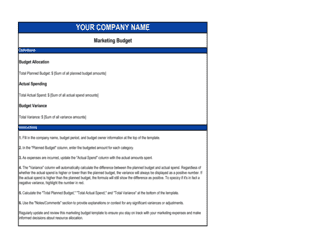
Brainstorm all possible expense categories — personnel, equipment, software, travel, contractors, overhead, and contingency. Create a row for each discrete cost with a description, quantity, unit cost, and total.
💡 Use last year's actuals or comparable project costs as your baseline. Starting from zero increases the chance of omitting real costs.
3
Apply loaded rates to personnel costs
For each FTE or partial FTE, calculate loaded cost — base salary plus benefits, payroll taxes, and overhead — typically 1.25–1.4× base salary. Use the loaded figure, not the base, in your personnel line items.
💡 Check with HR or finance for your organization's standard loaded rate multiplier before submitting — using the wrong rate is a common reason proposals get sent back.
4
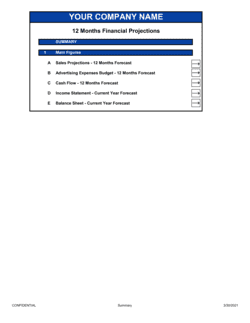
Build the budget summary table
Summarize all categories into a single table at the top of the financial section with subtotals per category and a grand total. Include a contingency line of 5–15% of total costs.
💡 Set your contingency percentage based on project risk: 5% for well-scoped work with known vendors, 15% for novel projects with unproven assumptions.
5
Write the justification for each major cost category
For every category above a materiality threshold (e.g., $5,000 or 10% of total budget), write one to three sentences explaining why the cost is necessary and why the amount is appropriate.
💡 If you considered a lower-cost alternative and rejected it, say so explicitly — it shows due diligence and preempts the question from reviewers.
6
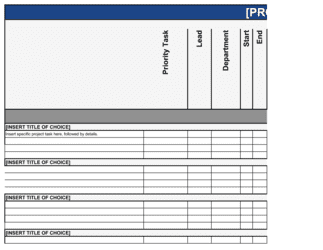
Map spending to phases and milestones
Distribute total spending across time periods — monthly or quarterly — aligned to the project timeline. Label each phase with the deliverable it funds.
💡 Front-loading all costs in Q1 when deliverables are spread across the year is a red flag for reviewers. Match spend timing to activity timing.
7
Quantify the expected outcomes
State at least two measurable outcomes the investment will produce — revenue generated, costs avoided, time saved, or KPIs improved. Include a baseline, a target, and a timeframe for each.
💡 If you lack a formal ROI model, even a simple payback calculation (total cost ÷ annual benefit = payback period in years) demonstrates financial thinking.
8
Write the executive summary last
Pull the total ask, the primary objective, and the key outcome metric into a half-page summary. This is the first thing reviewers read — it should be written with the completed proposal in front of you.
💡 The executive summary should be able to stand alone. A decision-maker who reads only the summary should understand what is being requested, how much it costs, and what the organization gets in return.