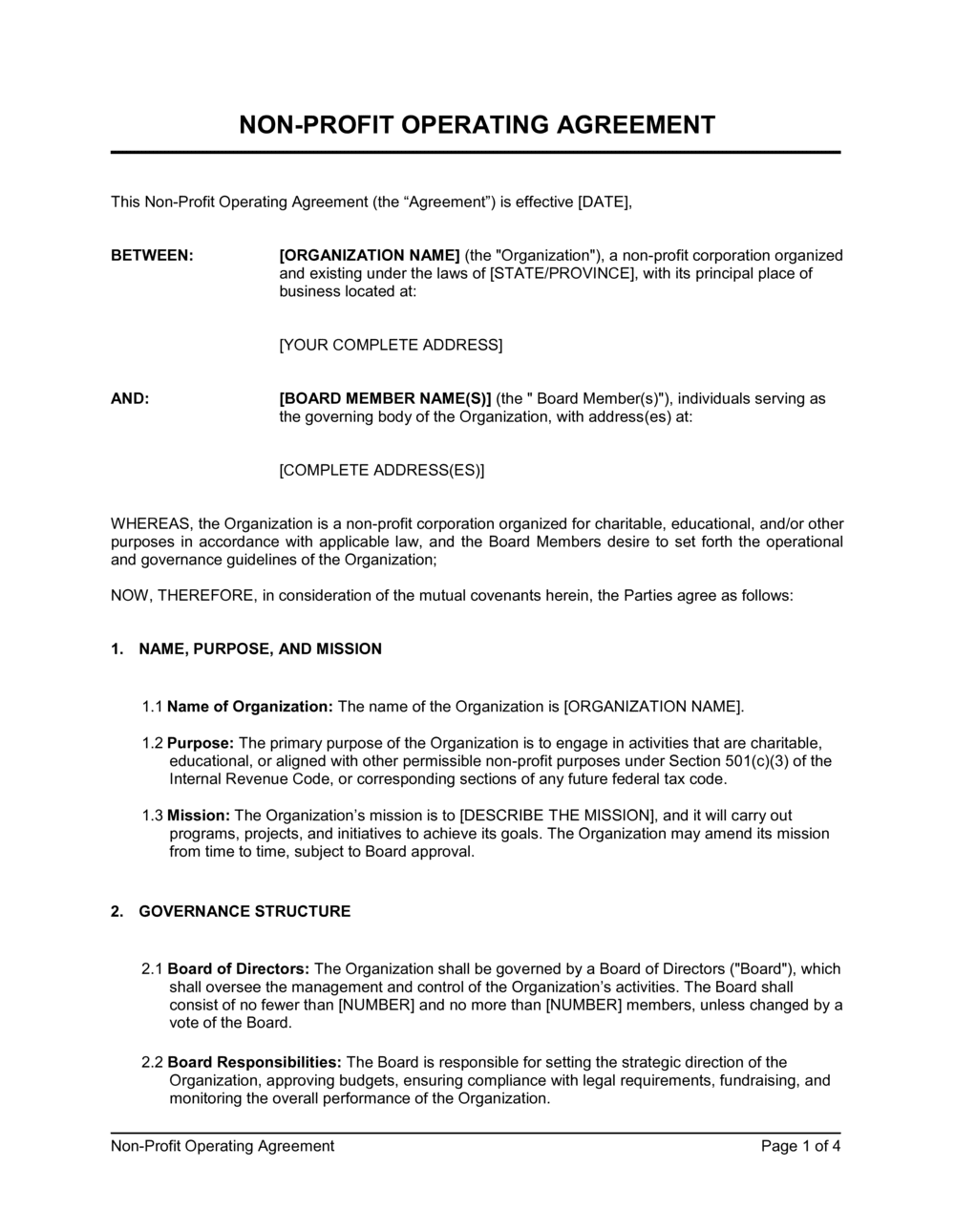
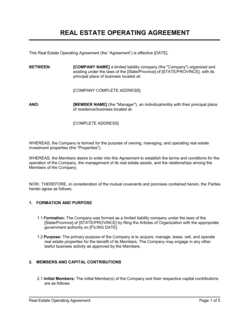
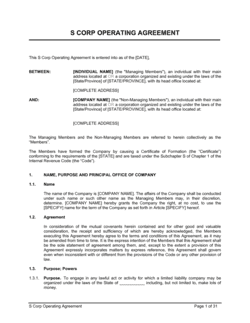
- Operating Agreement
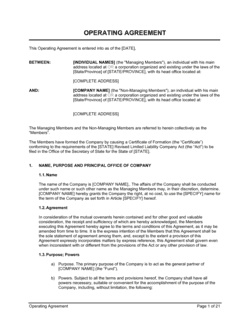
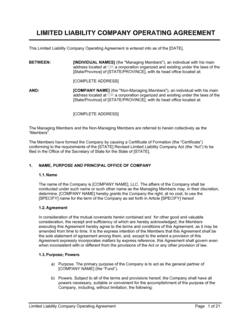
- An internal governance document that sets out how an organization is managed, who holds authority, and how decisions are made — functionally equivalent to bylaws for many non-profit structures.
- 501(c)(3)
- The US Internal Revenue Code section granting federal tax-exempt status to qualifying charitable, educational, or religious organizations.
- Board of Directors
- The governing body of a non-profit, responsible for setting policy, overseeing the executive director, and ensuring the organization fulfills its mission.
- Quorum
- The minimum number of board members or voting members who must be present for a meeting to conduct official business.
- Conflict of Interest Policy
- A formal rule requiring board members and officers to disclose and recuse themselves from decisions in which they have a personal financial or relational interest.
- Fiduciary Duty
- The legal obligation of board members to act in the best interest of the organization — encompassing duties of care, loyalty, and obedience to the mission.
- Dissolution Clause
- The provision specifying how the organization's assets are distributed upon winding up, typically requiring transfer to another tax-exempt entity.
- Indemnification
- A commitment by the organization to cover legal costs and liabilities incurred by board members or officers acting in good faith within their authorized roles.
- Standing Committee
- A permanent committee of the board — such as finance, audit, or governance — with ongoing delegated authority for a specific area of oversight.
- Ultra Vires
- An act taken by an officer or board member that exceeds the authority granted by the organization's governing documents — potentially void and personally liable.
- Private Inurement
- The prohibited use of a non-profit's income or assets to benefit a private individual rather than the organization's charitable mission — grounds for loss of tax-exempt status.
- Supermajority Vote
- A voting threshold higher than a simple majority — typically two-thirds or three-quarters — required for significant decisions such as amending the operating agreement or dissolving the organization.