1
Define your concept and differentiator
Write a one-paragraph concept statement covering cuisine style, service format (fast-casual, dine-in, delivery-first), target customer, and one specific reason a customer would choose you over the nearest competitor.
💡 Test your differentiator by asking: could any other pizzeria in your market say the exact same thing? If yes, sharpen it.
2
Research your local market and name competitors
Identify at least four direct competitors within your trade area (typically a 2-mile radius for dine-in, 5-mile radius for delivery). Record their pricing, hours, seating capacity, and any obvious gaps in their offering.
💡 Visit each competitor as a customer and note average wait times, check sizes, and what items sell out — this is primary research that no industry report can replicate.
3
Build your menu and calculate food cost per item
List every menu item with its ingredient cost and selling price. Calculate the food cost percentage for each item. Target a blended food cost of 28–35% across the full menu.
💡 Price your top three highest-food-cost items last — they anchor the menu's perceived value and disproportionately affect your blended margin.
4
Complete the startup cost schedule
Itemize every pre-opening cost: lease deposit, build-out, equipment, licenses and permits, POS system, initial inventory, staff training, and pre-opening marketing. Get at least two contractor quotes for build-out.
💡 Add a 15% contingency line to your build-out estimate. First-time operators almost universally underestimate construction costs by at least that margin.
5
Model staffing and labor costs
Build a staffing model with roles, hours per week, and hourly wages for each position. Add 12% for payroll taxes and 5–8% for benefits if applicable. Express total labor as a percentage of projected weekly revenue.
💡 Model two scenarios: one at 70% of projected covers and one at full capacity. Labor costs must be viable in the downside case or you will run short of cash before stabilizing.
6
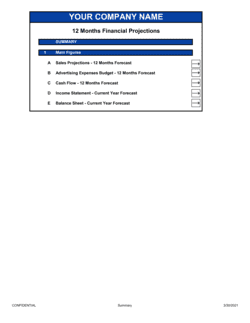
Build the three-year financial projections
Start from weekly cover counts and average check, not from a revenue target. Build monthly P&L for Year 1 with a ramp from 40% capacity in Month 1 to steady-state by Month 4. Extend to annual projections for Years 2 and 3.
💡 Your cash flow statement will diverge from the P&L because of the build-out period and deposit timing — model these separately to avoid a false picture of early-stage liquidity.
7
Define your marketing launch plan with a budget
Assign a dollar amount to each launch channel — soft-opening events, social ads, local partnerships, print — and set a measurable goal for each (e.g., 200 email sign-ups before opening day, 500 Instagram followers at launch).
💡 Allocate at least 2–3% of projected Year 1 revenue to marketing. Under-investing in launch awareness is one of the most common reasons new restaurants underperform in their first 90 days.
8
Write the executive summary last
Pull the single most compelling data point from each section — concept differentiator, market gap, Year 1 revenue projection, and funding ask — and compress them into one to two pages.
💡 If a lender reads only the executive summary and financial projections, they should have everything they need to make an initial funding decision. Every other section is supporting evidence.