1
Define the concept and service format precisely
Write a one-paragraph concept statement that names the cuisine type, service format (fast casual, full service, counter), price tier, and target guest. Avoid brand adjectives — use operational specifics.
💡 Lock the concept statement before completing any other section. Every financial assumption flows from format and price tier — changing them later requires rebuilding the model.
2
Research the trade area with primary data
Pull census demographic data, foot traffic counts, and local permit records for the specific address or neighborhood. Identify every directly competing restaurant within the realistic catchment area.
💡 Walk the block at lunch and dinner on a Tuesday and a Saturday. Your firsthand cover-count estimates for competitors are more credible to local lenders than any third-party report.
3
Build the menu and calculate food cost
Draft a representative menu with prices, then cost out each item using current ingredient prices from your intended suppliers. Calculate the blended food cost percentage across the full menu.
💡 If blended food cost exceeds 35%, adjust portion sizes or prices before presenting the plan — lenders know industry benchmarks and will flag it.
4
Model revenue from realistic cover counts
Project daily covers by meal period (lunch, dinner, brunch) using seat count, table turn rate, and realistic occupancy — not theoretical maximums. Multiply by average check to get daily revenue.
💡 Use a 50–65% occupancy assumption for Year 1 and 70–80% for Year 2 as your base case. Show a downside scenario at 40% occupancy.
5
Build the staffing model by shift
List every position — exec chef, line cooks, servers, bartenders, host, dishwasher, GM — with hours per week and hourly rate or salary. Calculate total weekly labor cost and express it as a percentage of projected weekly revenue.
💡 Don't forget payroll taxes and benefits — add 18–22% on top of gross wages to get total labor cost for the model.
6
Compile the startup cost schedule
List every pre-opening expenditure in four buckets: leasehold improvements, equipment, FF&E (furniture, fixtures, equipment), and pre-opening expenses (marketing, deposits, training payroll, licenses). Add a 10–15% contingency line.
💡 Get at least two contractor quotes for the build-out before presenting to a lender — a single unsupported estimate is a red flag.
7
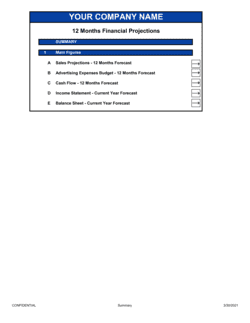
Assemble the three-statement financial model
Build a monthly P&L for Year 1 and annual summaries for Years 2–3. Derive the cash flow statement from the P&L and the balance sheet from the cash flow. Confirm all three statements reconcile.
💡 The cash flow statement matters more to restaurant lenders than the P&L — monthly cash timing determines whether you can make rent and payroll during slow periods.
8
Write the executive summary last
Pull the single most compelling data point from each section — concept, market gap, average check, Year 1 revenue, funding ask, and break-even timeline — and compress them into 1–2 pages.
💡 If your lender or investor reads nothing else, the executive summary must answer: what is it, why here, why this team, and when does it make money.