1
Identify both parties using full legal names
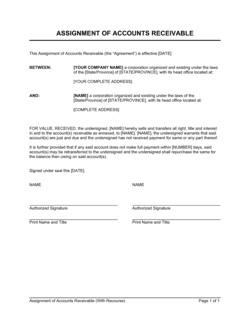
Enter the creditor's and debtor's full legal entity names — not trade names or abbreviations — along with their registered addresses and any account or customer reference numbers that appear in your accounting system.
💡 Cross-check the debtor's legal name against the original invoices or contract to ensure it matches exactly — a mismatch can complicate enforcement.
2
List every account or invoice subject to the allocation
Create a complete list of outstanding accounts or invoice numbers, their original amounts, and their current balances as of the payment date. Include invoice dates so each account is unambiguously identified.
💡 Pull balances directly from your accounting software on the day you prepare the document and note the 'balance as of' date — balances that change between drafting and signing create disputes.
3
Enter the total payment amount and date
State the exact dollar amount being paid, the currency, and the specific date the payment will be made or has been received. If payment has already been received, note the method (wire, check number, ACH reference).
💡 For wire or ACH payments, include the transaction reference number so the document can be matched to the bank record without ambiguity.
4
Complete the allocation schedule with dollar amounts
For each account, specify the exact dollar amount being applied — not just percentages. Confirm the allocations sum to the total payment amount. Any rounding discrepancy of even one cent can cause accounting reconciliation problems.
💡 If allocating pro rata, calculate each amount to two decimal places and force the last line item to absorb any rounding difference so the schedule nets to zero.
5
State remaining balances on each account
After listing allocations, record the updated outstanding balance on each account. This confirms the debtor acknowledges what is still owed and prevents any accord-and-satisfaction argument.
💡 Have your accounts receivable team verify each remaining balance figure before the document is signed — a wrong number here is the most common source of post-payment disputes.
6
Review and customize the no-waiver and re-appropriation clauses
Ensure the no-waiver language explicitly preserves your right to collect outstanding balances. If any account has a security interest, guarantee, or is approaching its statute-of-limitations deadline, customize the re-appropriation clause to address it.
💡 For accounts with personal guarantees, confirm the guarantor's obligations survive the partial payment by adding a short reference to the guarantee agreement by date and parties.
7
Select governing law and dispute resolution method
Choose the jurisdiction whose law will govern the agreement — typically the state or province where the creditor operates or where the underlying contracts were formed. Decide between arbitration, mediation, and litigation based on the size of the outstanding debt and your collections strategy.
💡 For debts under $25,000, specify small claims court or mediation — the cost of binding arbitration can exceed the recoverable amount on smaller balances.
8
Execute with signatures before applying the payment
Both parties must sign the agreement before the payment is applied in your accounting system. Date of execution and date of payment application should be the same or the agreement executed first.
💡 Use a timestamped eSign platform so the execution record includes IP address and date — useful evidence if the debtor later claims they did not authorize the allocation.