1
Identify the parties and the equipment precisely
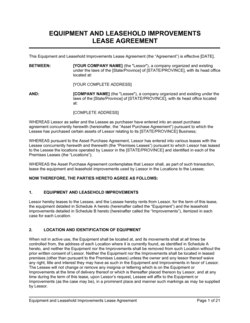
Enter the legal names of the lessor and lessee exactly as they appear on their business registrations. Describe the equipment in Schedule A with make, model, serial number, year, and current condition, and attach any existing inspection report.
💡 Photograph the equipment and attach the images to the signed agreement as Exhibit A — this eliminates end-of-term disputes about pre-existing damage.
2
Set the lease term and renewal mechanics
Enter the exact start and end dates. If you include a renewal right, specify the notice period — at least 60 days is typical for equipment valued over $50,000 — and whether the renewal rent is fixed, escalated, or renegotiated at fair market value.
💡 Calendar the renewal notice deadline immediately after signing so neither party misses the window.
3
Define base rent, payment schedule, and escalation
Set the monthly or quarterly rent, the specific due date within each period, accepted payment methods, the late-interest rate, and any annual escalation percentage. State the currency explicitly for cross-border leases.
💡 An annual escalation of 2–3% tied to CPI protects the lessor against inflation on long-term leases without requiring renegotiation.
4
Assign maintenance and service obligations
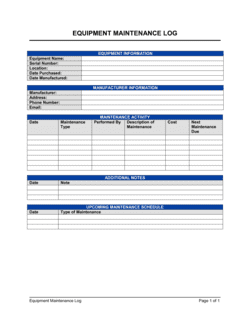
Specify exactly what maintenance the lessee must perform, at what intervals, and to what standard. Attach the manufacturer's service schedule as Schedule B and require the lessee to maintain service records.
💡 Require the lessee to provide annual maintenance logs — this protects the lessor's residual value and gives the lessee documented evidence of compliance.
5
Confirm insurance coverage requirements and obtain certificates
Set minimum property insurance limits at full replacement value and liability limits appropriate for the equipment type and use. Name the lessor as additional insured and loss payee. Collect a certificate of insurance before releasing the equipment.
💡 Set a calendar reminder 30 days before each policy renewal date to verify the lessee has renewed coverage and updated the certificate.
6
Allocate tax and regulatory responsibilities
Confirm in writing that personal property taxes, use taxes, licensing, and registration fees fall on the lessee. Research the applicable jurisdiction's default rules and ensure the allocation clause is specific enough to override them.
💡 In states with high personal property tax rates on business equipment — such as Virginia or California — the tax allocation clause can represent thousands of dollars annually and warrants explicit negotiation.
7
Specify default, cure periods, and remedies
Define monetary and non-monetary defaults separately. Provide a 5–10 day cure period for payment defaults and a 30-day cure period for non-monetary defaults. List specific remedies: acceleration, repossession, resale, and recovery of costs.
💡 Include a specific provision allowing the lessor to enter the lessee's premises to repossess the equipment without legal process, to the extent permitted by applicable law — this significantly reduces repossession costs.
8
Establish end-of-term options and return standards
Define the equipment return location, freight responsibility, and the condition standard (e.g., 'good working order, normal wear and tear excepted'). If a purchase option is included, fix the price or the FMV determination mechanism.
💡 If the purchase option price is 'fair market value,' specify who determines FMV and include an appraisal tie-breaker process to avoid disputes.