1
Define and validate your business concept
Write a one-paragraph description of what you will sell, who will buy it, and why they will prefer it over current alternatives. Back it with at least one piece of concrete validation — a competitor's revenue data, a waitlist, survey responses, or presale results.
💡 Use Google Trends and Semrush to check whether people are actively searching for your product category — zero search volume is a red flag before you build anything.
2
Research your market and map competitors
Identify at least four competitors — including indirect ones such as 'doing nothing' or a manual workaround. Note their pricing, traffic volume, customer reviews, and the gaps their customers complain about most.
💡 Read the 1-star reviews on competitor products on Amazon, Trustpilot, or the App Store — these are your product roadmap.
3
Choose your business model and price point
Select the primary monetization model (product sales, subscription, service, affiliate, or digital download) and set your initial price based on competitor benchmarks and your target margin — not just what feels comfortable.
💡 Charge more than you think you should on day one. It is easier to discount later than to raise prices after customers anchor to a low number.
4
Complete legal and financial setup
Register your business entity, obtain an EIN or equivalent tax ID, open a dedicated business bank account, and confirm any licenses or permits required for your product category or jurisdiction.
💡 An LLC costs $50–$500 to register and can save you from personal liability. Do this before you accept a single payment.
5
Build your brand identity and secure your domain
Check your preferred business name against trademark databases (USPTO for the US) and domain registrars simultaneously. Register the .com domain and any close variants before announcing your brand publicly.
💡 Keep the brand name short (under three syllables), easy to spell from hearing it spoken, and not dependent on a specific spelling that customers will get wrong.
6
Set up your website and payment infrastructure
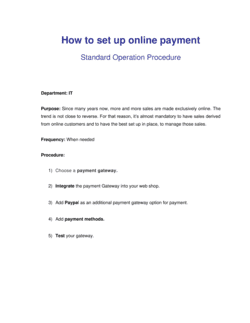
Choose the simplest platform that handles your product type — Shopify for physical products, WordPress or Squarespace for services or content, Gumroad or Podia for digital products. Connect a payment gateway and test the full purchase flow before launch.
💡 Run a test transaction with a real card before going live. A broken checkout discovered by a customer is worse than a delayed launch.
7
Build your launch marketing plan
Pick two primary acquisition channels maximum for your first 90 days. Define a specific traffic target, a conversion rate goal, and the content or ad budget required to hit them.
💡 Build an email list starting on day one — even before your website is live. A pre-launch waitlist of 200 people produces more first-week revenue than most paid ad campaigns.
8
Set financial targets and build the 90-day roadmap
Calculate your monthly break-even volume, set monthly revenue targets for the first three months, and map each milestone to a specific week with an owner and a deadline.
💡 Review your roadmap weekly for the first 90 days and update it — market conditions and customer feedback will require adjustments that a rigid plan cannot absorb.