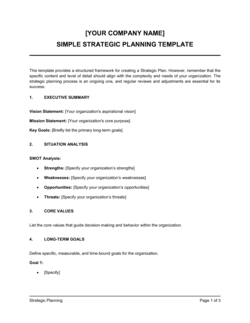
How To Start A Personal Brand

Free to read β€’ Save or share with one click

FreeHow To Start A Personal Brand Template

At a glance

What it is
A How To Start A Personal Brand template is a structured Word document that walks you through defining your positioning, identifying your target audience, crafting your core message, and building a consistent presence across channels. This free download gives you a step-by-step framework you can edit online and export as PDF to use as a living strategy document.
When you need it
Use it when launching a new professional identity, transitioning careers, building a consulting or coaching practice, or establishing thought leadership in your industry. It is equally useful for entrepreneurs, executives, and creators who need to move from informal visibility to a deliberate, consistent brand.
What's inside
Brand purpose and values, target audience definition, unique value proposition, brand voice and visual identity guidelines, platform and content strategy, networking and partnership approach, and a 90-day action plan with measurable milestones.

What is a How To Start A Personal Brand Template?

A How To Start A Personal Brand template is a structured operational document that guides individuals through every stage of building a deliberate, consistent professional identity β€” from defining purpose and positioning to selecting platforms and publishing a 90-day action plan. Unlike a general marketing plan, this template is built around the individual: it captures your unique value proposition, brand story, voice, and the specific audience you are building trust with over time. The output is a single reference document you can return to when making content, partnership, or visibility decisions.

Why You Need This Document

Without a documented personal brand strategy, most professionals default to inconsistent, reactive visibility β€” posting when inspired, switching platforms when growth stalls, and failing to convert audience into opportunity because the positioning is never sharp enough to stick. The cost is not just slow growth; it is misdirected effort across months of content that builds no cumulative asset. A completed personal brand template forces the decisions that most people avoid: who exactly you are speaking to, what makes your perspective different, and which one or two channels are worth your sustained attention. Those decisions, made once and documented clearly, eliminate the recurring question of what to post and why β€” and turn brand-building from a vague aspiration into a measurable operational plan.

Which variant fits your situation?

If your situation is…Use this template
Building a brand to support a consulting or coaching businessPersonal Brand Strategy for Consultants
Establishing executive visibility at a senior leadership levelExecutive Personal Branding Plan
Launching a content creator or influencer brand across social platformsSocial Media Content Strategy
Defining positioning and messaging for a new business launchMarketing Plan
Documenting your professional story for speaking or media opportunitiesProfessional Bio Template
Planning a full rebrand after a career or business pivotBrand Strategy Template
Structuring a 90-day visibility and audience growth sprint90-Day Action Plan

Common mistakes to avoid

❌ Targeting everyone and reaching no one

Why it matters: Broad positioning means your content and messaging land with no one specifically. People follow and trust brands that speak directly to their situation β€” not brands that hedge toward a wider audience.

Fix: Name a single, specific target audience profile and write every piece of content with that person in mind. You can expand after traction is established.

❌ Launching on too many platforms at once

Why it matters: Spreading limited time across four platforms produces thin, inconsistent output on every channel. Algorithm-driven platforms reward consistent posting volume β€” infrequent posting yields near-zero organic reach.

Fix: Choose one primary platform, commit to it for 90 days with a defined cadence, and only add a second channel once the first is producing measurable results.

❌ Skipping the brand story and leading with credentials

Why it matters: A list of qualifications tells the audience what you have done, not why it matters to them. Credentials alone rarely build the emotional connection that turns followers into clients or collaborators.

Fix: Lead with the problem you solved or the gap you identified β€” then back it with credentials. Story first, proof second is the sequence that drives engagement.

❌ Setting no measurable milestones for the 90-day plan

Why it matters: Without specific numbers attached to a timeline, there is no way to evaluate whether the brand-building effort is working or needs to change direction.

Fix: Assign at least one quantified metric to each 30-day sprint β€” audience size, content output, inbound inquiries, or speaking opportunities β€” and review them weekly.

❌ Copying a competitor's brand voice and visual style

Why it matters: An imitative personal brand is structurally invisible β€” it trains your audience to think of the original, not you, because you have no differentiated signals.

Fix: Audit three to five brands in your niche, identify the dominant conventions, then make deliberate choices to differ on at least two dimensions β€” tone, format, topic angle, or visual style.

❌ Waiting until everything is perfect before publishing

Why it matters: Personal brands are built through accumulated presence over time. Delaying publishing by two months to refine the logo or rewrite the bio costs the only resource that cannot be recovered: consistent output over time.

Fix: Publish the first piece of content within 72 hours of completing the template. Iterate on messaging and visuals in public β€” your brand improves faster through audience feedback than through private refinement.

The 9 key sections, explained

Brand purpose and core values

Target audience profile

Unique value proposition

Brand story and professional background

Brand voice and visual identity

Platform and content strategy

Credibility and social proof plan

Networking and partnership strategy

90-day action plan and milestones

How to fill it out

  1. 1

    Define your brand purpose and values

    Write one sentence that captures why you do what you do beyond earning income. Then list three to five values and for each one, write a concrete example of how it shows up in your work.

    πŸ’‘ Test your purpose statement by asking whether a stranger who reads it could identify what kind of work you do and who you serve β€” vague purpose statements fail this test every time.

  2. 2

    Profile your target audience in specific terms

    Describe your primary audience by job title, industry, experience level, and the specific problem they are trying to solve. Include one sentence on what they have already tried and why it has not worked.

    πŸ’‘ Interview three to five real people who fit your target profile before writing this section β€” their exact language will sharpen your messaging more than any brainstorm can.

  3. 3

    Write your unique value proposition

    Draft a two-sentence UVP using the formula: 'I help [audience] achieve [outcome] through [approach]. Unlike [alternative], I [differentiator].' Refine until a stranger immediately understands what you do and for whom.

    πŸ’‘ Read your UVP aloud to someone outside your industry. If they cannot explain it back to you in plain language, it needs simplification.

  4. 4

    Craft your brand story

    Write a 150–300 word narrative that moves from your background through a turning point to your current focus. The turning point β€” a gap you noticed, a problem you solved for yourself, or a moment of clarity β€” is the emotional anchor of the story.

    πŸ’‘ The most effective brand stories are specific and slightly uncomfortable to share. Generic success narratives blend into the background; specific struggles create connection.

  5. 5

    Set your voice and visual identity guidelines

    Choose three adjectives that describe your communication style and write one sentence on what your brand voice explicitly avoids. Select a consistent color palette (two to three colors) and a headshot that matches the tone.

    πŸ’‘ Use the same headshot across every platform for at least six months β€” recognition builds on repetition, and changing it resets the familiarity you have built.

  6. 6

    Select your platform and define content pillars

    Choose one primary platform based on where your target audience is most active. Define three to five content pillars β€” recurring topics that sit at the intersection of your expertise and your audience's needs β€” and assign a posting cadence to each.

    πŸ’‘ Commit to one platform for 90 days before adding a second. Traction requires volume and consistency in a single channel before distribution makes sense.

  7. 7

    Build out your 90-day action plan

    Break the plan into three 30-day sprints with specific, numbered deliverables for each: setup tasks in the first 30 days, content and outreach targets in days 31–60, and audience and partnership milestones in days 61–90.

    πŸ’‘ Schedule a weekly 30-minute review of your metrics β€” impressions, profile visits, inbound inquiries β€” to catch what is working before the 90 days are up rather than only at the end.

Frequently asked questions

What is a personal brand and why does it matter?

A personal brand is the deliberate combination of skills, values, story, and visible presence that shapes how others perceive you professionally. It matters because most opportunities β€” clients, jobs, speaking invitations, partnerships β€” are distributed through trust and recognition, not purely through credentials. A clear personal brand accelerates trust by giving people a consistent, specific reason to think of you when a relevant need arises.

How long does it take to build a personal brand?

Meaningful traction β€” consistent inbound inquiries or a recognizable presence in a niche β€” typically takes 6 to 12 months of consistent effort. The first 90 days are setup and calibration: establishing platforms, testing content formats, and refining the message based on audience response. Brands that try to shortcut this timeline through paid promotion without an organic content foundation typically see poor conversion because there is no trust infrastructure behind the ad spend.

Do I need a website to start building a personal brand?

A website is useful but not required in the first 90 days. A complete, well-written LinkedIn profile or a newsletter landing page can serve as a credible home base while you build content and audience. Add a website once you have a clear UVP, consistent brand voice, and at least a few testimonials or case studies to populate it β€” launching a thin website early can actually undermine credibility.

What platform should I use to build my personal brand?

The right platform depends on where your target audience is most active. LinkedIn is the default for B2B professionals, consultants, and executives. Instagram and TikTok work for visual and consumer-facing creators. YouTube and podcasting are strong for long-form thought leadership that compounds over time. Pick the one platform where your audience is most concentrated, commit to it for 90 days, and only add a second channel once the first produces consistent results.

What is the difference between a personal brand and a business brand?

A personal brand is built on an individual's identity, expertise, and story β€” it travels with you regardless of what company or product you are associated with. A business brand is attached to a company or product entity. Many solopreneurs and consultants use their personal brand as the primary commercial vehicle. For others, the personal brand amplifies trust in the business brand. The two can coexist and reinforce each other when the messaging is aligned.

How do I find my niche for a personal brand?

The most durable niches sit at the intersection of three things: what you know deeply from direct experience, what a specific audience is actively searching for, and what existing brands in the space are not addressing well. Start by listing the top five problems you have solved for clients or employers, then research whether those problems represent an audience segment large enough to sustain your goals. Narrow is almost always better than broad at the start.

How often should I post content for my personal brand?

Consistency matters more than frequency. Three posts per week on LinkedIn or one newsletter per week, maintained for six months, outperforms daily posting for two months followed by a complete stop. Choose a cadence you can sustain with your current workload and treat it as a non-negotiable commitment, the same way you would a client deliverable.

Can I build a personal brand while employed full-time?

Yes β€” most successful personal brands are built part-time, at least initially. The key constraints are time (10–15 hours per week is enough for meaningful progress) and potential conflicts with employer policies. Review any non-compete or social media policies in your employment contract before posting, particularly if your brand is in the same industry as your employer. Many employers actively encourage executive visibility, which can make this a mutual benefit rather than a tension.

What metrics should I track to measure personal brand growth?

In the first 90 days, track profile views, post impressions, follower growth rate, and inbound connection requests. After 90 days, shift focus to engagement rate per post, email list growth, inbound inquiry volume, and speaking or collaboration requests. Revenue or client attributable to brand activity is the ultimate metric, but it typically lags the visibility metrics by three to six months.

How this compares to alternatives

vs Marketing Plan

A marketing plan covers how a business promotes its products or services to a target market, including budget, channels, and KPIs for revenue goals. A personal brand template focuses on building the individual's identity, credibility, and audience as the primary asset. A personal brand plan often feeds into a marketing plan once the positioning is defined.

vs Social Media Strategy

A social media strategy is a channel-specific execution plan covering content types, posting schedules, and platform metrics. A personal brand template is broader β€” it includes purpose, story, UVP, and voice before any channel tactics. The social media strategy is one component of the personal brand plan, not a substitute for it.

vs Strategic Plan

A strategic plan is an organizational document that aligns a team or company around multi-year goals, initiatives, and resource allocation. A personal brand template is individual-focused and shorter in horizon β€” typically 90 days to one year. Executives sometimes use both in parallel: the strategic plan for the organization, the personal brand plan for their individual visibility.

vs Action Plan

An action plan is a task-level execution document that sequences specific steps, owners, and deadlines toward a defined goal. A personal brand template covers strategy, positioning, and identity before producing the action plan. The 90-day action plan section of a personal brand template outputs directly into a standalone action plan document for day-to-day execution.

Industry-specific considerations

Professional Services

Lawyers, accountants, and consultants use personal branding to generate referral traffic and command premium rates by becoming recognizable voices in a narrow specialty.

Technology / SaaS

Founders and product leaders build personal brands to attract co-founders, early adopters, and press before a product has traction to stand on its own.

Creative and Marketing Agencies

Agency principals and freelance creatives use personal brands to differentiate in a highly commoditized market and attract clients who buy based on the individual's reputation rather than the firm's portfolio.

Healthcare and Wellness

Clinicians, therapists, and wellness coaches build personal brands to attract private-pay clients and establish credibility outside of institutional affiliation.

Template vs pro β€” what fits your needs?

PathBest forCostTime
Use the templateIndividuals who have a clear sense of their expertise and are building a brand independently without a launch deadlineFree4–8 hours to complete the template; 90 days to activate
Template + professional reviewConsultants, coaches, and executives who want a branding professional to pressure-test their positioning and UVP before publishing$300–$1,500 for a brand strategist session or copywriter review1–2 weeks
Custom draftedHigh-profile executives, public figures, or founders where brand positioning has direct revenue or fundraising implications at scale$3,000–$15,000 for a full personal branding engagement4–8 weeks

Glossary

Personal Brand
The deliberate combination of skills, values, story, and presence that shapes how others perceive you professionally.
Unique Value Proposition (UVP)
A one-to-two sentence statement explaining what you offer, who it is for, and why it is different from alternatives.
Target Audience
The specific group of people β€” defined by role, industry, problem, or aspiration β€” whose attention and trust you are intentionally building.
Brand Voice
The consistent tone, language style, and personality your communications project across every channel and format.
Thought Leadership
A positioning strategy in which you consistently share original insights, frameworks, or perspectives that your audience cannot easily find elsewhere.
Content Pillar
A recurring topic or theme β€” typically three to five β€” that anchors your content strategy and reinforces your area of expertise.
Platform Strategy
A deliberate decision about which channels (LinkedIn, newsletter, podcast, YouTube, etc.) to prioritize based on where your target audience spends attention.
Social Proof
Testimonials, case studies, media mentions, credentials, or audience size that independently validate your expertise and credibility.
Niche
The specific intersection of topic, audience, and format where you choose to build concentrated visibility rather than competing broadly.
Content Cadence
The scheduled frequency at which you publish content β€” e.g., three LinkedIn posts per week β€” which directly affects algorithm reach and audience expectations.

Part of your Business Operating System

This document is one of 3,000+ business & legal templates included in Business in a Box.

  • Fill-in-the-blanks β€” ready in minutes
  • Compatible with all office suites
  • Export to PDF and share electronically

Create your document in 3 simple steps.

From template to signed document β€” all inside one Business Operating System.
1
Download or open template

Access over 3,000+ business and legal templates for any business task, project or initiative.

2
Edit and fill in the blanks with AI

Customize your ready-made business document template and save it in the cloud.

3
Save, Share, Send, Sign

Share your files and folders with your team. Create a space of seamless collaboration.

Save time, save money, and create top-quality documents.

β˜…β˜…β˜…β˜…β˜…

"Fantastic value! I'm not sure how I'd do without it. It's worth its weight in gold and paid back for itself many times."

Managing Director Β· Mall Farm
Robert Whalley
Managing Director, Mall Farm Proprietary Limited
β˜…β˜…β˜…β˜…β˜…

"I have been using Business in a Box for years. It has been the most useful source of templates I have encountered. I recommend it to anyone."

Business Owner Β· 4+ years
Dr Michael John Freestone
Business Owner
β˜…β˜…β˜…β˜…β˜…

"It has been a life saver so many times I have lost count. Business in a Box has saved me so much time and as you know, time is money."

Owner Β· Upstate Web
David G. Moore Jr.
Owner, Upstate Web

Run your business with a system β€” not scattered tools

Stop downloading documents. Start operating with clarity. Business in a Box gives you the Business Operating System used by over 250,000 companies worldwide to structure, run, and grow their business.

Start freeΒ Β·Β No credit card required