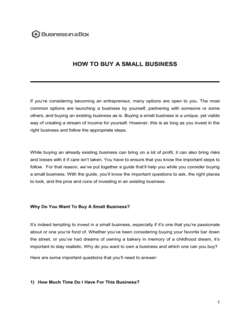
How To Open A Bank Account For A Business

Free to read β€’ Save or share with one click

FreeHow To Open A Bank Account For A Business Template

At a glance

What it is
How To Open A Bank Account For A Business is a structured operational guide and checklist that walks business owners through every step of setting up a dedicated business banking relationship β€” from gathering entity documents to choosing the right account type and completing the bank's application. This free Word download gives you a ready-to-edit template you can customize for your entity type and export as PDF to share with co-founders or your accountant.
When you need it
Use it when registering a new LLC, corporation, or partnership and need to separate personal and business finances from day one. It is also useful when adding a second account for a new business unit, switching banks, or onboarding a new signatory to an existing account.
What's inside
A step-by-step process covering entity documentation requirements, EIN procurement, account type selection, signatory authorization, initial deposit planning, and ongoing account management best practices β€” organized so any owner or operations manager can follow it without prior banking experience.

What is a How To Open A Bank Account For A Business Guide?

A How To Open A Bank Account For A Business guide is a structured operational document that walks a business owner or operations manager through every step required to establish a dedicated business banking relationship β€” from assembling entity formation documents and obtaining an EIN to selecting the right account type, designating authorized signatories, and completing post-opening integrations with accounting and payroll software. Unlike a generic checklist, this template documents the decisions made at each step so co-founders, accountants, and future bookkeepers have a clear record of the account structure, access controls, and compliance information on file.

Why You Need This Document

Skipping a dedicated business bank account β€” or opening one without a clear process β€” creates compounding problems that cost far more to fix than to prevent. Mixing personal and business finances on even a single transaction can expose LLC or corporate owners to personal liability for business debts, a risk courts take seriously. Without a record of your authorized signatories, dual-signature thresholds, and beneficial ownership disclosures, a single unauthorized transaction or a departing co-founder can create disputes that are difficult to resolve without expensive legal intervention. Banks also reject unprepared applicants regularly β€” missing a certified copy of your Articles or an EIN letter means rescheduling and delaying the ability to receive payments, pay vendors, or open a merchant account. This template gives you a repeatable, documented process so the account opens correctly the first time and operates cleanly from day one.

Which variant fits your situation?

If your situation is…Use this template
Opening an account for a newly formed LLCHow To Open A Bank Account For A Business (LLC)
Setting up banking for a sole proprietorship or DBAHow To Open A Bank Account For A Business (Sole Proprietor)
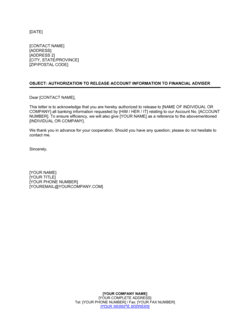
Adding a second signatory or authorized user to an existing accountBanking Signatory Authorization Letter
Switching banks and transferring an existing business accountBusiness Bank Account Transfer Checklist
Opening a merchant account alongside a business checking accountMerchant Account Setup Guide
Establishing a business savings or money market accountBusiness Savings Account Setup Checklist
Documenting internal financial controls after account is openInternal Financial Controls Policy

Common mistakes to avoid

❌ Using a personal account for business transactions

Why it matters: Commingling funds invalidates the liability protection of an LLC or corporation β€” courts have pierced the corporate veil on this basis alone. It also turns a straightforward annual reconciliation into a forensic accounting project.

Fix: Open a dedicated business account on or before the date of the first business transaction. Transfer any business expenses paid from personal accounts as documented capital contributions.

❌ Bringing an uncertified copy of formation documents

Why it matters: Most banks require a certified or notarized copy of your Articles of Organization or Incorporation. An uncertified copy from your email confirmation is rejected at the appointment, delaying account opening by days or weeks.

Fix: Order a certified copy from your state's secretary of state before scheduling the bank appointment. Keep a digital scan on file for future use.

❌ Omitting beneficial owners with 25% or more equity

Why it matters: FinCEN's Beneficial Ownership Rule requires banks to verify all qualifying owners. Omitting a silent partner or co-owner triggers an automatic rejection and flags your application for compliance review.

Fix: List all owners at or above the 25% threshold in the template before the appointment and ensure each has a government-issued ID ready.

❌ Selecting a bank without checking cash deposit limits

Why it matters: Many no-fee business checking accounts cap monthly cash deposits at $5,000–$7,500. A retail or cash-heavy service business can exceed that in a single week, triggering per-deposit fees that exceed a traditional account's monthly fee.

Fix: Confirm the bank's cash deposit limit in writing before opening the account. If your business handles significant cash, choose a bank with a higher limit or negotiate a waiver in advance.

❌ Failing to set a dual-signature threshold

Why it matters: Any single authorized signatory can transfer or withdraw any amount without a second approval if no threshold is documented. This creates fraud exposure and partnership disputes with no procedural safeguard.

Fix: Set a dual-signature requirement for transactions above a defined dollar amount β€” commonly $2,500 to $5,000 for small businesses β€” and document it in the authorized signatory section of the template.

❌ Not completing post-opening integrations

Why it matters: An account that is not connected to accounting software and payroll within the first week means transactions are untracked, reconciliation falls behind, and the owner continues mixing finances out of habit.

Fix: Use the post-opening setup section of the template as a checklist and assign a deadline of five business days after account opening for all integrations.

The 9 key sections, explained

Purpose and scope

Entity and formation documents checklist

EIN procurement and documentation

Account type selection

Authorized signatories and access controls

Initial deposit and minimum balance requirements

Bank selection criteria

Compliance and beneficial ownership documentation

Post-opening setup and integrations

How to fill it out

  1. 1

    Confirm your entity type and gather formation documents

    Identify whether your business is an LLC, corporation, sole proprietorship, or partnership. Collect a certified copy of your Articles of Organization or Incorporation, your Operating Agreement or Bylaws, and any DBA certificate on file.

    πŸ’‘ Order a certified copy directly from your state's secretary of state website β€” most states charge $5–$20 and process within 24 hours online.

  2. 2

    Obtain your EIN and print the IRS confirmation letter

    Apply for an EIN at IRS.gov/EIN if you do not already have one. At the end of the online session, print the confirmation page β€” this is your CP 575 equivalent. If you applied by mail, wait for the physical CP 575 before visiting the bank.

    πŸ’‘ If you have lost your EIN confirmation letter, call the IRS Business and Specialty Tax Line at 800-829-4933 to request a 147C letter, which banks accept as a substitute.

  3. 3

    Select the right bank and account type

    Compare at least three banks on monthly fees, transaction limits, cash deposit caps, online banking features, and accounting software integrations. Record your evaluation in the bank selection criteria section of the template.

    πŸ’‘ If you plan to apply for a business line of credit within 12 months, open your checking account at the bank where you intend to borrow β€” lending relationships start with deposit history.

  4. 4

    Document your authorized signatories and access levels

    List every person who will have signing authority, debit card access, or online banking admin access. Set a dual-signature threshold for transactions above a defined dollar amount and record it in the template.

    πŸ’‘ Limit debit card issuance to owners and managers who regularly need it β€” each additional card is an additional fraud vector.

  5. 5

    Complete the beneficial ownership section

    List every individual who owns 25% or more of the business with their full legal name, date of birth, residential address, and ID number. The bank will ask for this under FinCEN's Customer Due Diligence rules regardless of entity type.

    πŸ’‘ Prepare government-issued IDs for all beneficial owners before the appointment β€” missing one ID will send you home to reschedule.

  6. 6

    Attend the bank appointment or complete the online application

    Bring all documents in the checklist or upload them to the bank's online portal. Review the account agreement, fee schedule, and minimum balance terms before signing. Confirm the account number and routing number at closing.

    πŸ’‘ Ask the banker to walk you through the online banking portal before you leave β€” setting up alerts and integrations on day one takes 10 minutes and prevents months of oversight gaps.

  7. 7

    Complete all post-opening integrations within five business days

    Connect the account to your accounting software via bank feed, update your payroll provider with the new routing and account numbers, enable low-balance text alerts, and order checks if your business needs them.

    πŸ’‘ Set the low-balance alert at 1.5Γ— your minimum balance requirement β€” this gives you time to transfer funds before fees are triggered.

Frequently asked questions

What documents do I need to open a business bank account?

You will typically need your EIN confirmation letter, a certified copy of your Articles of Organization or Incorporation, your Operating Agreement or Bylaws, a government-issued ID for each authorized signatory, and identity information for any individual owning 25% or more of the business. Sole proprietors operating under a DBA also need their DBA certificate. Requirements vary slightly by bank and entity type, so confirm the full list with your chosen bank before your appointment.

Do I need an EIN to open a business bank account?

In most cases, yes. Banks require an EIN to verify your business identity and comply with federal KYC and anti-money-laundering regulations. Sole proprietors without employees can sometimes use their Social Security Number instead, but most banks prefer an EIN regardless of entity type. You can obtain an EIN for free at IRS.gov/EIN in under 10 minutes.

Can I use a personal bank account for my business?

Technically you can, but doing so is one of the most common mistakes new business owners make. Using a personal account for business transactions eliminates the liability separation that an LLC or corporation provides, makes bookkeeping significantly more complicated, and raises red flags with tax authorities. Open a dedicated business account on or before your first business transaction.

How long does it take to open a business bank account?

With all documents in order, an in-branch appointment typically takes 30–60 minutes and the account is open the same day. Online applications at banks like Chase, Bank of America, or Mercury can be completed in 15–20 minutes, with account numbers issued within 1–3 business days pending verification. Delays almost always result from missing or uncertified documents, so preparing the checklist in advance is the single biggest time saver.

What is the best bank for a small business checking account?

The best bank depends on your transaction volume, cash handling needs, and whether you plan to borrow. Brick-and-mortar banks like Chase and Bank of America offer broad branch access and lending relationships. Online banks like Mercury, Relay, and Bluevine offer no-fee accounts with strong software integrations. Credit unions often provide better rates and lower fees for smaller businesses. Evaluate at least three options against your specific transaction profile before deciding.

Does opening a business bank account affect my personal credit?

Opening a business checking account does not directly affect your personal credit score β€” banks run a ChexSystems inquiry, not a hard credit pull, when opening deposit accounts. However, if you apply for a business credit card or line of credit at the same time, the lender will likely pull your personal credit report, which temporarily lowers your score by a few points.

What is a corporate resolution to open a bank account?

A corporate resolution is a formal document in which a corporation's or nonprofit's board of directors authorizes a specific officer to open and manage a bank account on the organization's behalf. Most banks require it for corporations and nonprofits but not for single-member LLCs. The resolution typically specifies the bank name, the authorized officer's name and title, and the account type being opened.

Can an LLC open a business bank account without an operating agreement?

Some banks will open an account for a single-member LLC without an operating agreement, but most require one for multi-member LLCs to verify which members have signatory authority. Even when it is not required, having a signed operating agreement protects you legally and simplifies future banking, loan applications, and investor due diligence. Draft one before your bank appointment regardless of whether the bank requires it.

How much money do I need to open a business bank account?

Opening deposit requirements range from $0 at online banks like Mercury and Relay to $25–$100 at most traditional banks. Some accounts waive the monthly maintenance fee if you maintain a minimum daily balance of $1,500–$2,500. Fund the account with enough to cover your first month of operating expenses above the minimum balance threshold so fees are not triggered before you generate revenue.

How this compares to alternatives

vs Business Formation Checklist

A business formation checklist covers every step from choosing an entity type to filing with the state, obtaining an EIN, and registering for taxes. Opening a business bank account is one item on that broader checklist. This guide goes deeper on the banking step specifically β€” documents, account types, signatories, and post-opening integrations β€” while a formation checklist treats it as a single line item.

vs Internal Financial Controls Policy

An internal financial controls policy governs how money moves through the business once the account is open β€” approval limits, expense reporting, segregation of duties, and audit trails. This bank account setup guide focuses on the one-time process of establishing the account correctly. The two documents work in sequence: complete the setup guide first, then implement the controls policy.

vs Chart of Accounts Template

A chart of accounts organizes every financial category in your accounting software. Opening a business bank account is a prerequisite for a meaningful chart of accounts, since the bank feed populates real transactions. The bank account setup guide handles the physical and regulatory steps; the chart of accounts handles the bookkeeping structure that follows.

vs Cash Flow Forecast

A cash flow forecast projects future inflows and outflows to ensure the business does not run out of money. It assumes a bank account is already in place and functioning. This setup guide handles the prerequisite β€” getting the account open and connected correctly β€” so that the cash flow forecast reflects accurate, reconciled data rather than estimates.

Industry-specific considerations

Retail and e-commerce

High cash deposit volumes require confirming monthly cash deposit limits before selecting a bank, and merchant account integration is needed from day one for card processing.

Professional services

Client retainer and trust account separation may require a second account at opening, and accounting software integration is critical for accurate billable-hours reconciliation.

Construction and trades

Project-based cash flow means a business savings or money market account for reserve funds is useful alongside checking, and multiple signatories for field managers are commonly needed.

Technology and SaaS

Online-only banking with strong API integrations and multi-currency support is typically preferred, and investor wire receipt capability must be confirmed before a funding round closes.

Template vs pro β€” what fits your needs?

PathBest forCostTime
Use the templateSolo founders, single-member LLCs, and any business owner opening a straightforward domestic checking accountFree1–3 hours including document gathering and the bank appointment
Template + professional reviewMulti-member LLCs, corporations, or nonprofits where signatory authority and board resolutions need review before the bank appointment$100–$300 for a one-hour session with an accountant or attorney1–2 days
Custom draftedBusinesses with complex ownership structures, foreign beneficial owners, or regulated industries requiring specialized account types$500–$2,000 for attorney-assisted banking setup and compliance review3–7 days

Glossary

EIN (Employer Identification Number)
A nine-digit tax identification number issued by the IRS that identifies a business entity, required by most banks to open a business account.
Articles of Organization
The state-filed document that formally creates an LLC, listing its name, registered agent, and member structure.
Articles of Incorporation
The state-filed document that formally creates a corporation, establishing its name, share structure, and registered agent.
Operating Agreement
An internal LLC document that outlines ownership percentages, member roles, and decision-making authority β€” banks often require it to verify signatory rights.
Business Checking Account
A deposit account designed for day-to-day business transactions, accepting unlimited deposits and withdrawals for operating expenses and revenue.
Authorized Signatory
A person listed on the bank account who has legal authority to sign checks, authorize transfers, and execute transactions on behalf of the business.
FDIC Insurance
Federal Deposit Insurance Corporation coverage that protects business deposit accounts up to $250,000 per depositor, per insured bank, per ownership category.
Resolution to Open a Bank Account
A formal document β€” often required for corporations and nonprofits β€” in which the board authorizes a specific officer to open and manage a bank account.
KYC (Know Your Customer)
A federal regulatory requirement that banks verify the identity of every account holder and beneficial owner before opening an account.
Beneficial Ownership Rule
A FinCEN regulation requiring banks to collect identity information for any individual who owns 25% or more of a legal entity opening an account.

Part of your Business Operating System

This document is one of 3,000+ business & legal templates included in Business in a Box.

  • Fill-in-the-blanks β€” ready in minutes
  • Compatible with all office suites
  • Export to PDF and share electronically

Create your document in 3 simple steps.

From template to signed document β€” all inside one Business Operating System.
1
Download or open template

Access over 3,000+ business and legal templates for any business task, project or initiative.

2
Edit and fill in the blanks with AI

Customize your ready-made business document template and save it in the cloud.

3
Save, Share, Send, Sign

Share your files and folders with your team. Create a space of seamless collaboration.

Save time, save money, and create top-quality documents.

β˜…β˜…β˜…β˜…β˜…

"Fantastic value! I'm not sure how I'd do without it. It's worth its weight in gold and paid back for itself many times."

Managing Director Β· Mall Farm
Robert Whalley
Managing Director, Mall Farm Proprietary Limited
β˜…β˜…β˜…β˜…β˜…

"I have been using Business in a Box for years. It has been the most useful source of templates I have encountered. I recommend it to anyone."

Business Owner Β· 4+ years
Dr Michael John Freestone
Business Owner
β˜…β˜…β˜…β˜…β˜…

"It has been a life saver so many times I have lost count. Business in a Box has saved me so much time and as you know, time is money."

Owner Β· Upstate Web
David G. Moore Jr.
Owner, Upstate Web

Run your business with a system β€” not scattered tools

Stop downloading documents. Start operating with clarity. Business in a Box gives you the Business Operating System used by over 250,000 companies worldwide to structure, run, and grow their business.

Start freeΒ Β·Β No credit card required