- IT Governance
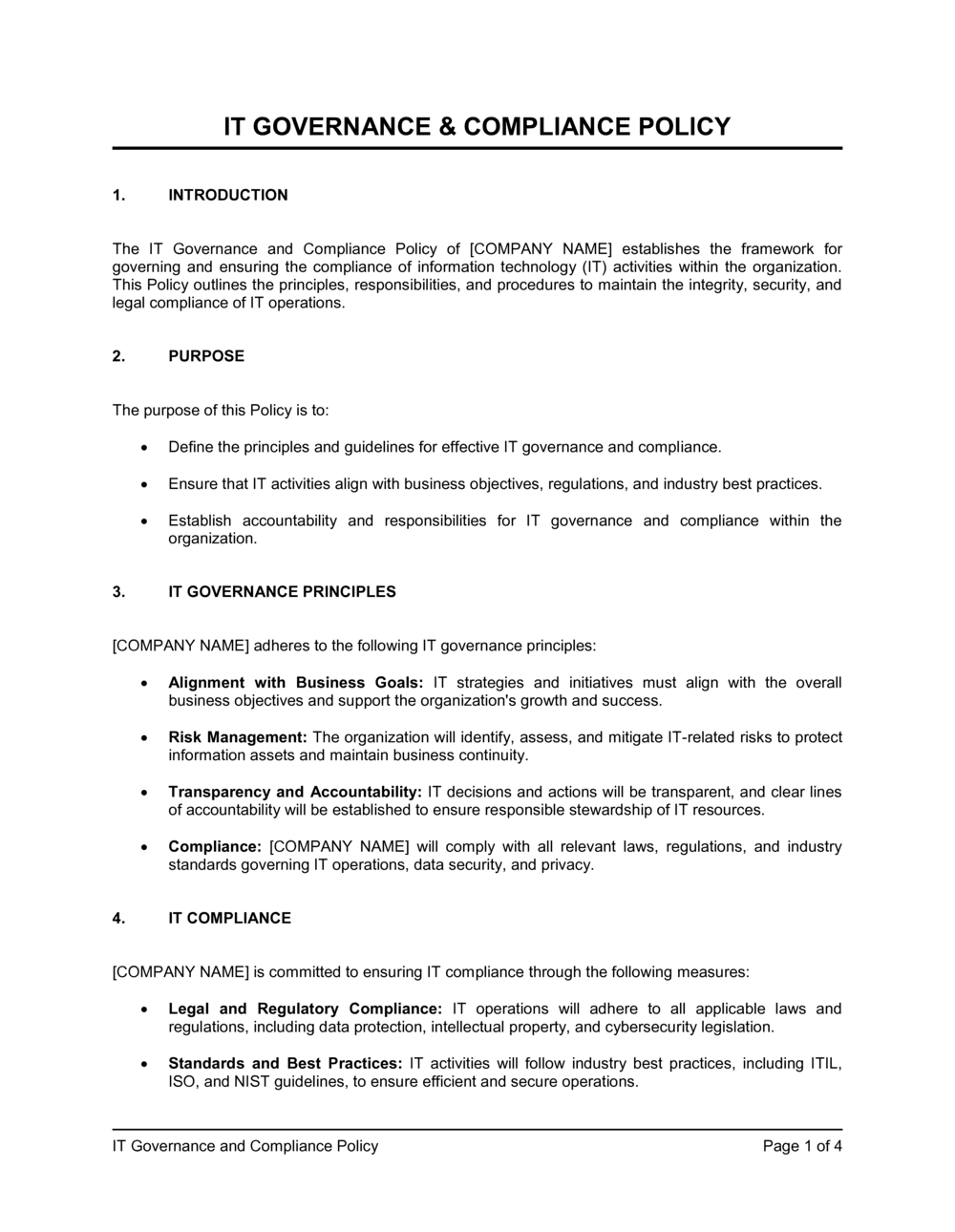
- The framework of decision-making rights, accountability structures, and policies that direct how IT resources are managed and aligned with business objectives.
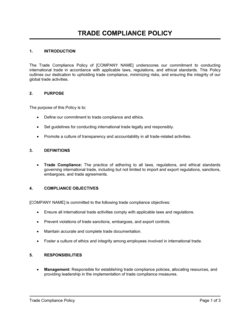
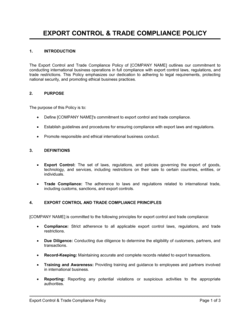
- Compliance
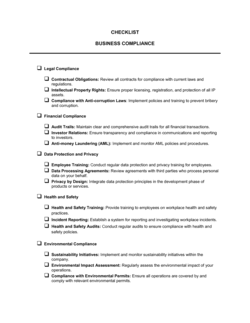
- Adherence to applicable laws, regulations, contractual obligations, and internal standards that govern IT operations and data handling.
- Data Classification
- A scheme that categorizes data by sensitivity — typically Public, Internal, Confidential, and Restricted — to determine the appropriate handling and protection requirements for each tier.
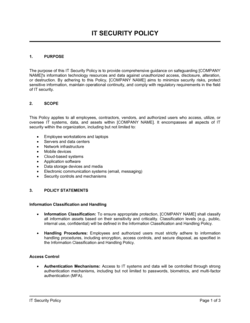
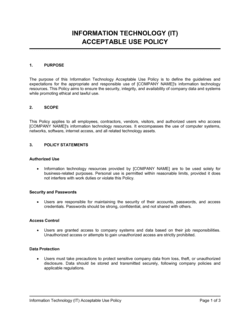
- Access Control
- Policies and technical mechanisms that restrict who can view, modify, or interact with specific systems or data based on role, need-to-know, and least-privilege principles.
- Least Privilege
- A security principle requiring that users and systems are granted only the minimum access rights needed to perform their defined function.
- Risk Register
- A documented inventory of identified IT risks, each rated by likelihood and impact, along with the assigned owner and chosen mitigation or acceptance strategy.
- Change Management
- A controlled process for requesting, reviewing, approving, and documenting changes to IT systems to prevent unplanned outages or security gaps.
- Audit Trail
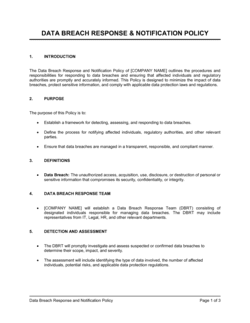
- A chronological record of system activity — logins, file access, configuration changes — used to detect anomalies and demonstrate compliance during reviews.
- Business Continuity Plan (BCP)
- A documented strategy for maintaining or rapidly restoring critical IT operations after a disruption such as a cyberattack, hardware failure, or natural disaster.
- Third-Party Risk
- The exposure an organization carries from vendors, contractors, or partners who have access to its systems, data, or infrastructure and whose security posture may affect the organization.